Discover the Ultimate Weatherproof Materials for Rust-Free Patio Furniture
Looking for the best weatherproof material for patio furniture that won't rust can be overwhelming. While there is no single solution, understanding different waterproof and rustresistant options can help you choose wisely.
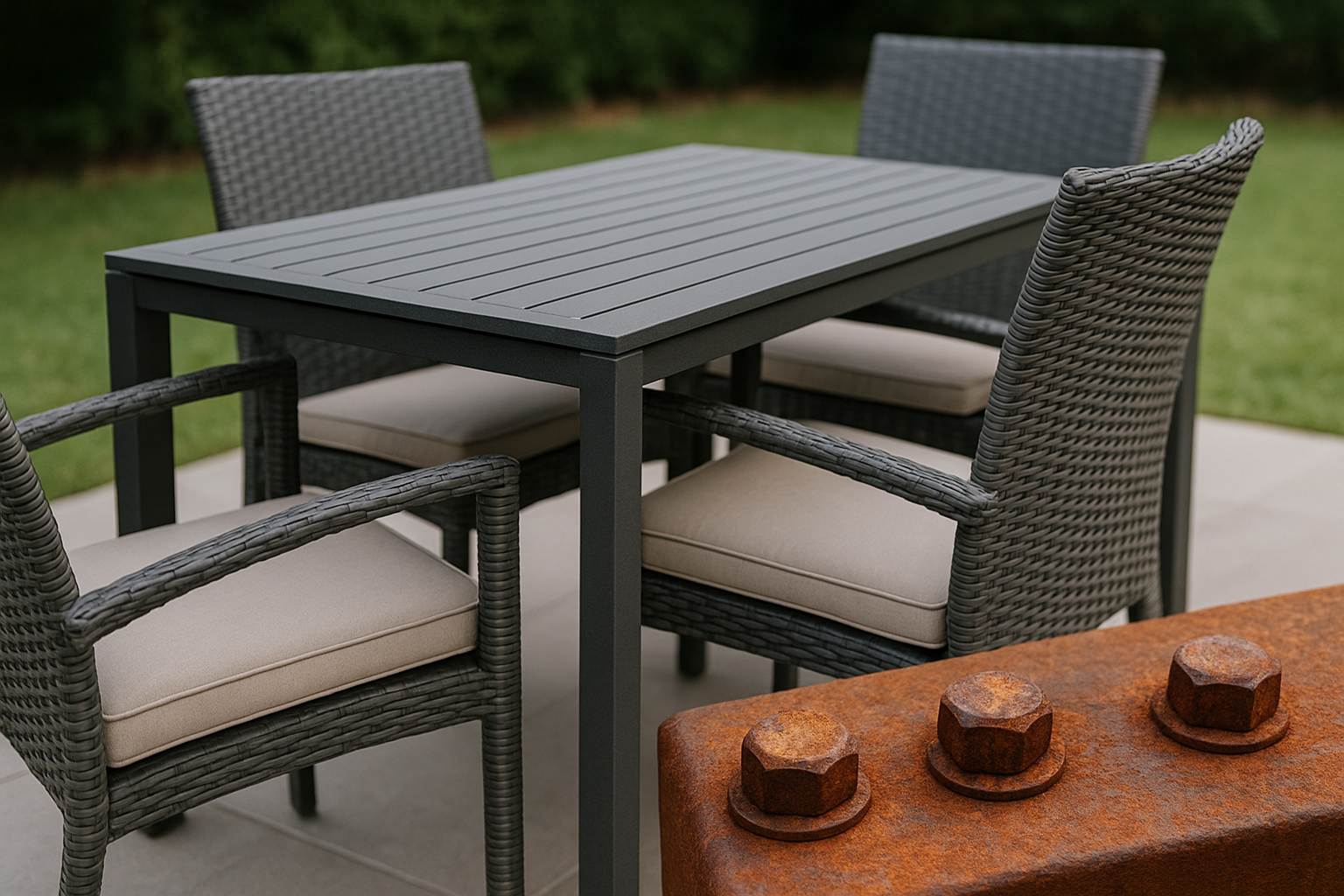
Understanding Weatherproof Materials for Patio Furniture
Choosing the best weatherproof material for patio furniture that won’t rust is crucial to ensuring that your outdoor spaces remain both functional and visually appealing over time. There are several materials on the market, each offering distinct benefits and drawbacks. In this article, we'll explore the top materials, their advantages, and how to maintain them to make an informed decision for your patio furniture needs.
Why Weatherproofing Matters
Patio furniture is regularly exposed to various weather elements like sun, rain, wind, and even snow, depending on where you live. Without proper protection, these elements can quickly degrade the quality and appearance of your furniture. Weatherproof materials ensure longevity and reduce maintenance costs, offering both aesthetic and functional benefits.
Top Weatherproof Materials for Patio Furniture
1. Teak Wood
Teak is a popular choice for outdoor furniture due to its natural oils, which make it resistant to water and pests. Additionally, teak’s tight grain and natural strength make it highly resistant to warping and weather damage.
- Pros: Durable, resistant to rot and insects, minimal maintenance.
- Cons: Expensive, availability can be limited due to high demand.
Teak furniture can withstand extreme weather without rotting or weakening. For those concerned with sustainability, ensure your teak furniture is certified by organizations such as the Forest Stewardship Council (FSC).
2. Aluminum
Aluminum is another excellent choice for outdoor spaces, primarily due to its natural resistance to rust and corrosion. Lightweight yet sturdy, aluminum furniture is easy to move around your space as needed.
- Pros: Rust-resistant, lightweight, low maintenance.
- Cons: Can be blown away in strong winds if not properly weighted.
To enhance its weatherproofing, aluminum furniture often comes with a powder-coated finish, which can add both an additional protective layer and a splash of color to match your outdoor decor.
3. Wicker (Resin Wicker)
Made from synthetic materials such as polyethylene, resin wicker is a modern take on traditional wicker furniture. It offers the classic look of wicker but with enhanced durability and weather resistance.
- Pros: Resistant to moisture and fading, available in numerous styles.
- Cons: Quality can vary; high-end versions can be expensive.
Resin wicker is particularly advantageous in humid or wet climates because it can withstand moisture without rotting or molding, unlike natural wicker versions.
4. Stainless Steel
For a sleek, modern look, stainless steel is a solid option. Known for its immunity to rust and its impressive strength, stainless steel furniture is both stylish and functional.
- Pros: Rust-resistant, durable, modern aesthetic.
- Cons: Can become hot to the touch in direct sunlight.
Mirror-polished stainless steel can add a touch of elegance to your patio, though it's important to consider shaded placement to avoid overheating.
Maintenance and Care Tips
No matter how tough a material is, regular maintenance is key to maximizing its lifespan. Here are some universal tips for caring for weatherproof patio furniture:
- Regular Cleaning: Clean furniture with mild soap and water every few weeks to prevent buildup of dirt and grime.
- Protection: Use furniture covers during inclement weather or when the furniture is not in use for extended periods.
- Reapply Finishes: Materials like teak and aluminum may benefit from occasional reapplication of protective finishes.
Conclusion
Choosing the right weatherproof material for your patio furniture is an essential step in creating a beautiful and durable outdoor living space. By weighing the pros and cons of materials such as teak, aluminum, resin wicker, and stainless steel, you can make an informed decision tailored to your environment and aesthetic preferences. Regular maintenance will ensure that your furniture stays in good condition, letting you enjoy the benefits of your outdoor space for years to come.
For further reading and the latest industry insights, you may refer to recent studies and articles on outdoor furniture materials at Garden Design and ArchDaily.