Discover the Unmatched Benefits of Choosing Reclaimed Wood for Your Next Project
It's a bold claim to say reclaimed wood is the best quality you can find, but the evidence is compelling. This material isn't just about rustic looks or sustainability; it's about leveraging timber from a different era with fundamentally different characteristics.
Key Reasons for Reclaimed Wood's Superior Quality
When discussing building materials, the term "quality" can mean many things—durability, stability, appearance, and even environmental impact. Reclaimed wood often scores high in all these categories, making a strong case for being one of the best quality materials available. Its unique characteristics are a direct result of its age, origin, and history.
1. Unmatched Stability and Durability
One of the most significant advantages of reclaimed wood is its incredible stability. This wood typically comes from old-growth trees that were harvested over a century ago. For decades, it has existed as part of a structure like a barn, warehouse, or factory. During that time, it has been exposed to countless cycles of changing humidity and temperature. This long, natural curing process means the wood has already done most of the expanding, contracting, twisting, and warping it will ever do.
When this seasoned wood is brought into a new, climate-controlled environment, it is far less likely to move or change shape compared to freshly milled lumber, often called "green" or kiln-dried wood. This dimensional stability makes it an ideal choice for applications where precision and longevity are key, such as hardwood flooring, cabinetry, and fine furniture. It holds its form exceptionally well, reducing the risk of gaps, cracks, or buckling over time.
2. Tighter, Denser Grain Structure
The vast majority of reclaimed wood originates from old-growth forests. These trees grew slowly and naturally over hundreds of years, competing with other trees for sunlight and resources. This slow growth process resulted in wood with very tight growth rings. The rings, which represent a year of growth, are packed closely together, creating a material that is significantly denser and harder than wood from modern, faster-growing trees found in managed forests.
This increased density translates directly to superior strength and durability. Reclaimed wood can withstand more wear and tear, making it exceptionally resilient to dents, scratches, and daily use. Woods like old-growth Heart Pine, for example, are renowned for their hardness, a quality that is nearly impossible to find in new pine lumber today. This inherent toughness ensures that a floor or piece of furniture made from reclaimed wood will last for generations.
3. Unique Character and Rich Patina
Beyond its structural integrity, reclaimed wood possesses an aesthetic quality that is impossible to replicate. Over its long life, the wood develops a deep, rich color and texture known as a patina. This is the result of decades of exposure to air, sunlight, and the elements, which gently alters the surface of the wood, imbuing it with a warmth and depth that new wood lacks.
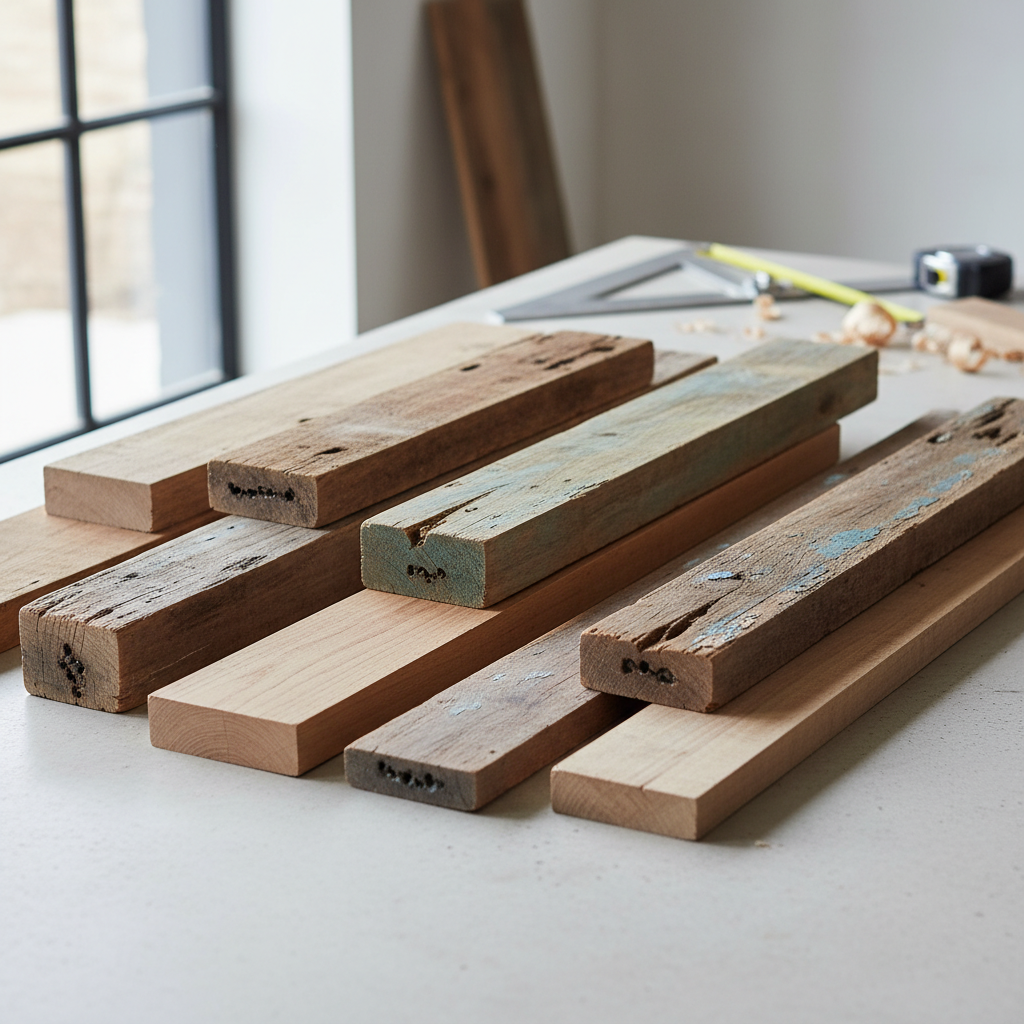
Furthermore, each plank tells a story through its imperfections. Features like nail holes, bolt marks, saw marks from old milling techniques, and subtle staining all contribute to its unique character. These are not flaws but rather authentic historical details that give the wood a sense of soul and history. This one-of-a-kind appearance ensures that any project using reclaimed wood is truly unique, adding a level of visual interest and rustic elegance that manufactured distressing techniques can only imitate.
4. Environmental Responsibility
While not a physical attribute of the wood itself, the sustainability of reclaimed wood is a crucial aspect of its overall quality. By choosing reclaimed lumber, you are participating in a cycle of reuse that has profound environmental benefits. It diverts massive amounts of usable material from landfills, where it would otherwise decompose and release carbon into the atmosphere. This act of recycling is a cornerstone of green building practices.
Equally important, using reclaimed wood reduces the demand for harvesting virgin timber. This helps preserve existing forests, protect wildlife habitats, and maintain biodiversity. For environmentally conscious builders and homeowners, the quality of a material is also measured by its impact on the planet. In this regard, reclaimed wood is an exceptional choice, offering a way to create beautiful spaces without contributing to deforestation.
5. Natural Resistance to Pests and Rot
Many of the tree species that were common in old-growth forests possessed remarkable natural defenses. Trees like American Chestnut (now virtually extinct due to blight) and Longleaf Pine were rich in tannins and resins that made them naturally resistant to insects, decay, and rot. They grew in an era before modern pesticides and chemical treatments were necessary.
This inherent resilience remains in the wood long after it was harvested. As a result, reclaimed lumber from these species often has a superior ability to withstand moisture and pests compared to many modern wood varieties, which may rely on chemical pressure-treating for protection. This natural durability makes certain types of reclaimed wood excellent for both interior and exterior applications.