Discover the Wonders of California: Top 5 National Parks for Your Next Adventure
Explore the breathtaking beauty of Top 5 National Parks in California. Discover diverse landscapes and hidden gems popular among adventurers and nature lovers alike.
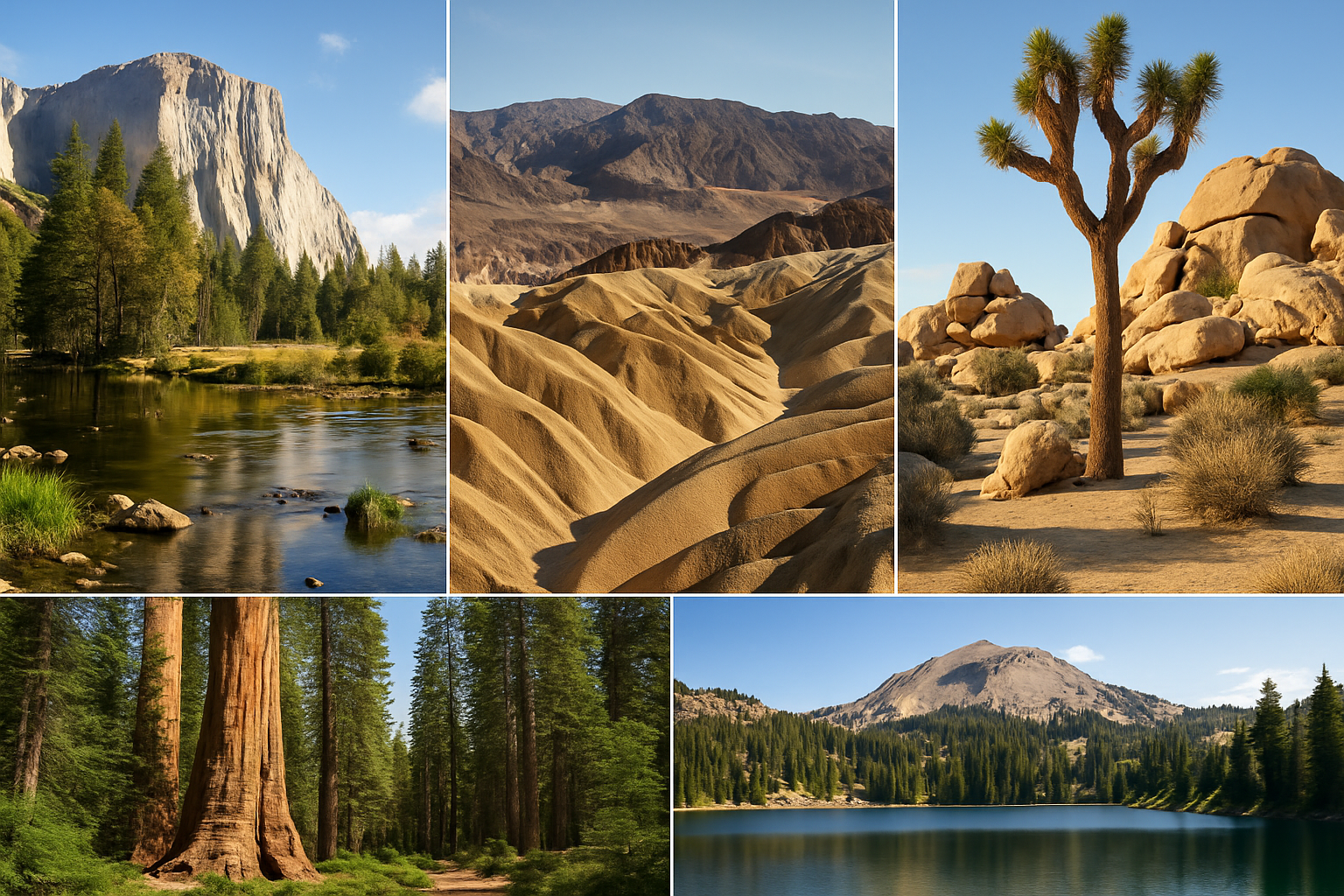
Why Visit National Parks in California?
California is home to some of the most breathtaking natural landscapes in the United States. With diverse ecosystems ranging from towering mountains and lush forests to arid deserts and coastal cliffs, the national parks in California offer a unique opportunity for exploration and adventure. These parks are not only geographic marvels but also crucial habitats for a wide variety of indigenous flora and fauna. Each park provides a distinct glimpse into the natural beauty and ecological importance of the region.
In 2026, the number of visitors to California's national parks has increased, reflecting a growing interest in outdoor activities and eco-tourism. According to the National Park Service, over 40 million visitors explore these parks annually, contributing significantly to local economies and the preservation of these natural wonders. Understanding what each park has to offer can enhance your visit and ensure you have a memorable experience.
Top 5 National Parks in California
1. Yosemite National Park
Perhaps the most iconic of all, Yosemite National Park is renowned for its stunning granite cliffs, waterfalls, and giant sequoias. Situated in Northern California's Sierra Nevada mountains, Yosemite spans over 750,000 acres. Notable landmarks include Half Dome and El Capitan, which attract rock climbers from around the globe.
- Best Time to Visit: Late spring or fall to avoid crowds and enjoy mild weather.
- Must-See Spot: Yosemite Valley, for its picturesque views and hiking trails.
- Activities: Hiking, rock climbing, and wildlife viewing, especially black bears and mule deer.
According to NPS.gov, Yosemite received over 4 million visitors in 2026, making it one of the most visited national parks in the United States.
2. Sequoia and Kings Canyon National Parks
These adjacent parks are celebrated for their ancient giant sequoia trees, including the General Sherman Tree, the largest living tree on earth. Spanning the southern Sierra Nevada's rugged landscapes, the parks also feature deep canyons, alpine peaks, and stunning views.
- Best Time to Visit: Summer for warmer temperatures and accessible trails.
- Must-See Spot: General Sherman Tree in the Giant Forest.
- Activities: Hiking, camping, and stargazing due to low light pollution.
Recent restoration projects in 2026 focused on preserving these ancient trees, emphasizing the parks' commitment to sustainability and conservation.
3. Joshua Tree National Park
Known for its unique trees that resemble the arms of a Joshua reaching towards the sky, this park is a desert landscape with stunning rock formations. Located where the high Mojave Desert meets the low Colorado Desert, Joshua Tree offers distinct ecosystems, renowned for their geological richness.
- Best Time to Visit: March to May for wildflower blooms and comfortable temperatures.
- Must-See Spot: Hidden Valley, ideal for both rock climbing and photography.
- Activities: Camping, rock climbing, and exploring desert ecosystems.
According to a 2026 study published by the Desert USA, climate change poses challenges to these ecosystems, highlighting the importance of mindful tourism and conservation efforts.
4. Death Valley National Park
As one of the hottest places on Earth, Death Valley offers dramatic vistas and extreme landscapes. The park sprawls across eastern California and Nevada, featuring salt flats, sand dunes, and rugged mountains. Despite its harsh environment, Death Valley is teeming with life adapted to its conditions.
- Best Time to Visit: Late fall through early spring to avoid extreme heat.
- Must-See Spot: Badwater Basin, the lowest point in North America.
- Activities: Hiking, photo opportunities, especially during sunrise and sunset.
Recent climate data from NPS.gov indicates shifts in temperature patterns, reinforcing the park's position as a case study for climate resilience.
5. Redwood National and State Parks
These parks protect a significant portion of the remaining old-growth redwood forests, home to the tallest trees on Earth. Located along the Northern California coast, they offer a peaceful refuge for those looking to immerse themselves in nature's tranquility.
- Best Time to Visit: Summer for the warmest temperatures and clear skies.
- Must-See Spot: Fern Canyon, with thick fern-lined canyon walls.
- Activities: Hiking, wildlife viewing, and exploring diverse ecosystems including prairies and rivers.
In 2026, conservation efforts have focused on restoring habitats impacted by previous logging activities, as reported by Save the Redwoods League.
Tips for Visiting California's National Parks
Proper planning is key to enjoying California's national parks fully. Here are some tips to enhance your visit:
- Check park websites for weather updates and trail conditions.
- Purchase passes online to save time and ensure entry during peak seasons.
- Pack responsibly—bring plenty of water, sunscreen, and layered clothing.
- Respect wildlife and follow Leave No Trace principles to minimize impact.
By supporting these parks through responsible tourism, you're contributing to their preservation for future generations to explore and enjoy.
References
https://www.nps.gov/yose/index.htm
https://www.nps.gov/seki/index.htm
https://www.nps.gov/jotr/index.htm
https://www.nps.gov/deva/index.htm
https://www.nps.gov/redw/index.htm