Discover the World’s Most Celebrated Olive Oils
Determining the single "best" olive oil in the world is a delicious challenge, with top contenders hailing from Italy, Spain, Greece, and even California.
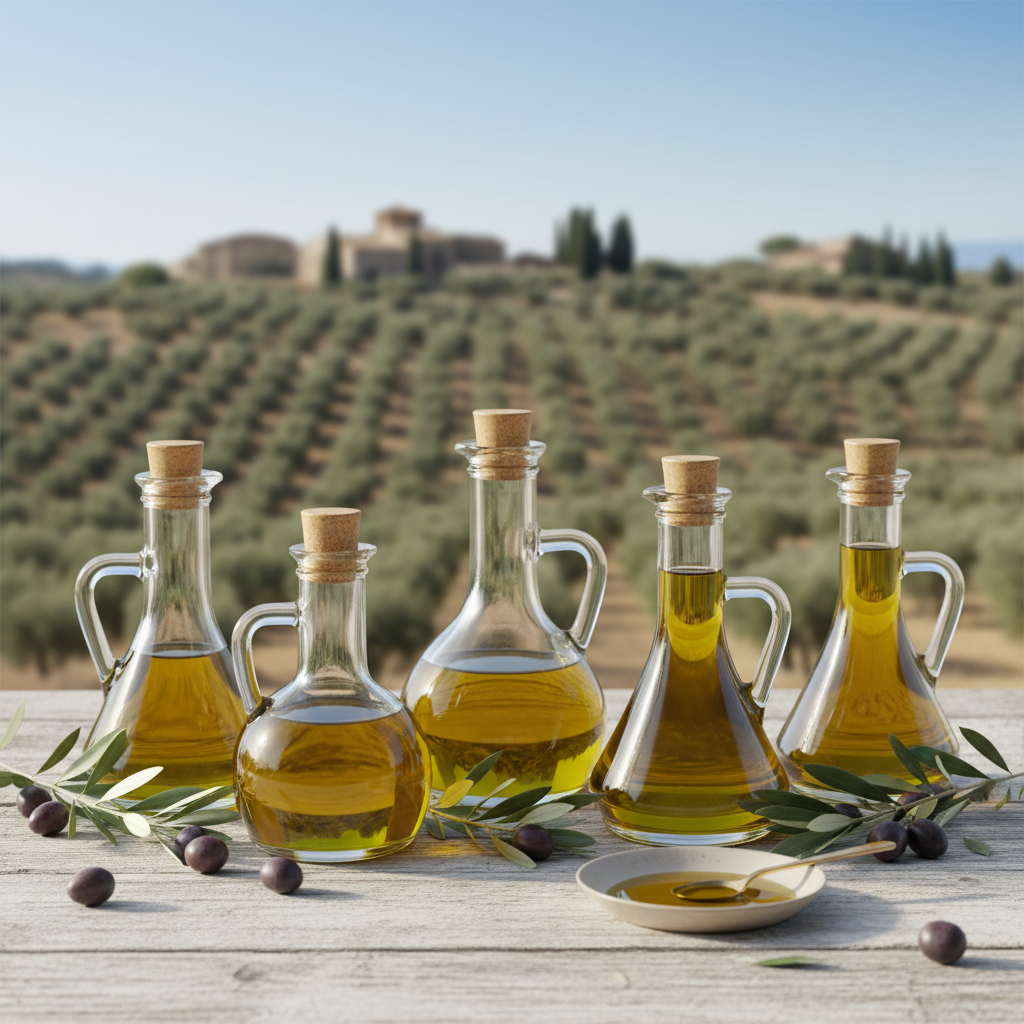
Determining the single "best" olive oil in the world is a complex task, as taste is subjective and awards vary from year to year. However, certain producers and regions consistently rise to the top, celebrated for their exceptional quality, meticulous production methods, and incredible flavor profiles. These oils are frequently recognized in prestigious international competitions like the NYIOOC World Olive Oil Competition. Instead of naming one winner, this guide explores several of the most highly decorated and respected olive oils that are widely considered contenders for the title.
Recognized Leaders: World-Class Olive Oils
The following brands and producers are perennial award-winners, known for setting the standard in the world of extra virgin olive oil. Their dedication to quality, from the grove to the bottle, makes them standouts in a crowded field.
Castillo de Canena (Spain)
From the Jaén region of Andalusia, Spain, Castillo de Canena is a family-owned estate that has perfected the art of olive oil production over centuries. They are celebrated for their early-harvest oils, particularly from Picual and Arbequina olives. Their "First Day of Harvest" oils are legendary, capturing the most intense, green, and vibrant flavors of the olives. The Picual variety offers notes of tomato leaf, green herbs, and a peppery finish, making it a robust and complex oil. The Arbequina is milder, with hints of almond, apple, and a delicate sweetness.
What sets Castillo de Canena apart is their relentless innovation. They were pioneers in sustainable agriculture and biodynamic farming in their olive groves. Furthermore, they have experimented with unique products like their "Oak Smoked Arbequino" oil and oils infused with plankton, demonstrating a blend of deep tradition and modern gastronomy. Their consistent gold medals at international competitions are a testament to their unwavering commitment to quality and excellence.
Frantoio Franci (Italy)
Nestled in the heart of Tuscany, Frantoio Franci is an Italian powerhouse known for producing some of the most intensely flavorful and aromatic olive oils in the world. Originally a small family mill, the Franci family transformed it into an internationally acclaimed producer. Their Villa Magra Grand Cru is often cited as one of Italy's finest oils. It is a monocultivar oil made from Frantoio olives, delivering a powerful punch of artichoke, thistle, and black pepper notes with a distinctly bitter and spicy finish—hallmarks of a high-polyphenol, high-quality Tuscan oil.
Frantoio Franci’s philosophy centers on meticulous olive selection and immediate pressing to preserve the fruit's integrity and health benefits. They produce a range of oils, from delicate to intense, allowing consumers to choose the perfect pairing for their food. Their consistent high scores and "Best in Class" awards highlight their mastery over the Frantoio olive and their position as a benchmark for quality in Italian olive oil production.
Gaea (Greece)
Representing the rich olive heritage of Greece, Gaea has successfully brought high-quality Greek olive oil to the global stage. Their products focus on native Greek olive varieties, most notably the Koroneiki olive. The Gaea Fresh Extra Virgin Olive Oil is a standout, produced from early-harvest Koroneiki olives that are pressed within three hours of being picked. This process results in an exceptionally low-acidity oil with a vibrant, herbaceous aroma and a fruity flavor profile with notes of green apple and a signature peppery kick.
Gaea is also committed to sustainability and transparency, being the first olive oil company in the world to become carbon neutral. They champion specific regions, with PDO (Protected Designation of Origin) products like their Kalamata and Sitia oils, which showcase the unique terroir of those areas. Gaea’s success in international competitions has helped elevate the reputation of Greek olive oil, proving it can compete with the best from Spain and Italy.
Cobram Estate (Australia)
Proving that world-class olive oil isn't limited to the Mediterranean, Cobram Estate from Australia has become one of the most awarded producers in the world. With groves in Victoria, Australia, and California, USA, they have leveraged modern technology and agricultural science to achieve remarkable consistency and quality. Their "Ultra-Premium" line, including Hojiblanca and Picual varieties, regularly wins top honors for its freshness and complexity.
Cobram Estate's key to success lies in controlling every step of the process. They harvest their olives at optimal ripeness and press them in their on-site mills within hours, locking in the fresh flavors and healthy polyphenols. Their oils are often described as exceptionally well-balanced, with a harmonious blend of fruitiness, bitterness, and pungency. By focusing on freshness and scientific precision, Cobram Estate has demonstrated that the New World can produce olive oils that are every bit as good as their Old World counterparts.
Garcia de la Cruz (Spain)
With a history spanning five generations since 1872, Garcia de la Cruz is a testament to Spanish tradition combined with modern standards. Based in La Mancha, Spain, this producer is known for creating exceptional organic extra virgin olive oils. Their expertise lies in managing a vast number of organic groves and producing oils that are both high in quality and widely accessible. Their Early Harvest Picual is a flagship product, celebrated for its intense green fruitiness, with notes of freshly cut grass, green almond, and a robust, peppery finish.
Garcia de la Cruz emphasizes traceability and organic farming, ensuring no synthetic pesticides or fertilizers are used. This commitment not only benefits the environment but also contributes to the pure, unadulterated flavor of their oils. Their ability to produce award-winning organic oil at a large scale has made them a dominant force, earning numerous accolades for their quality, sustainability, and the distinct character of their Spanish olive varietals.
Understanding What Makes an Olive Oil 'The Best'
The title of "best" isn't just about taste; it's rooted in objective quality markers that separate premium oils from mass-market products. The most crucial designation is "Extra Virgin Olive Oil" (EVOO). To qualify, an oil must be extracted purely by mechanical means (no chemicals or excessive heat) and must have a free acidity level of less than 0.8%. The world's elite oils often have an acidity level below 0.3%, indicating healthier, less-damaged olives.
Another critical factor is the harvest time. Early-harvest oils, made from green, unripe olives, contain higher levels of polyphenols (antioxidants) and chlorophyll. This results in a more robust, bitter, and peppery flavor profile, which is highly sought after by connoisseurs. Finally, terroir—the unique combination of soil, climate, and geography—plays a significant role. Olives grown in the rocky hills of Tuscany will produce a vastly different oil than those grown in the sun-drenched plains of Andalusia, even if they are the same variety.
Exploring the World of Olive Oil
Once you start appreciating fine olive oil, more questions naturally arise. Understanding the nuances can help you select, store, and use olive oil to its full potential.
How Can You Tell if Olive Oil is High Quality?
Beyond the label, there are several clues to an oil's quality. First, check the packaging. High-quality EVOO is sensitive to light and heat, so it should always be sold in a dark glass bottle, tin, or ceramic container. Clear bottles are a major red flag, as light exposure can quickly degrade the oil, causing it to become rancid.
Next, look for a harvest date or "best by" date. The harvest date is more important, as olive oil is best consumed within 18-24 months of being harvested. The fresher, the better. Finally, look for certifications like PDO (Protected Designation of Origin) or PGI (Protected Geographical Indication), which guarantee the oil was produced and bottled in a specific region according to strict standards. When you taste it, a good EVOO should have a fruity aroma (like green grass, apples, or almonds) and a peppery or bitter sensation in the back of your throat, which is a sign of healthy polyphenols.
What is the Difference Between Spanish, Italian, and Greek Olive Oil?
While generalizations can be tricky, each country has a distinct style largely defined by its native olive varietals. Spanish olive oils, especially from Andalusia, are often golden-yellow and showcase a fruity, nutty flavor. The Picual olive, Spain's most common variety, produces a bold, peppery oil, while the Arbequina is much milder and sweeter.
Italian olive oils, particularly from Tuscany, are typically dark green and known for their grassy aroma and a bold, peppery, and sometimes bitter finish. This is due to varietals like Frantoio and Leccino. Southern Italian oils, from regions like Sicily or Puglia, can be milder and more golden, with a gentler flavor profile. Greek olive oils are often green and robust in flavor. The Koroneiki olive, dominant in Greece, yields an oil with a strong, herbaceous, and peppery character, making it a flavorful finishing oil.
Does 'Best' Olive Oil Mean Best for Cooking?
This is a crucial distinction. The world's "best" olive oils are typically early-harvest, high-polyphenol finishing oils. Their complex, delicate flavors are best appreciated raw—drizzled over salads, soups, pasta, or used for dipping bread. Using these expensive, flavor-packed oils for high-heat cooking would be a waste, as the heat destroys their nuanced aromas and beneficial compounds.
For everyday cooking like sautéing and light frying, a good-quality, standard extra virgin olive oil is a better and more economical choice. While some believe EVOO has a low smoke point, high-quality EVOO can have a smoke point between 375-410°F (190-210°C), making it perfectly safe for most stove-top cooking. However, for deep-frying or searing at very high temperatures, a neutral oil with a higher smoke point, like avocado or canola oil, is more suitable.
Conclusion
While there may never be a single, undisputed "best olive oil in the world," brands like Castillo de Canena, Frantoio Franci, Gaea, Cobram Estate, and Garcia de la Cruz consistently prove they are in the top tier. The true "best" oil is one that meets the highest standards of quality—low acidity, early harvest, and proper extraction—while also matching your personal taste preference. Whether you prefer the peppery bite of a Tuscan oil or the fruity notes of a Spanish one, exploring these world-class producers is the perfect way to discover the incredible diversity and flavor that premium olive oil has to offer.
For Further Reading:
- NYIOOC World Olive Oil Competition - Explore the official results from one of the world's most prestigious olive oil contests.
- International Olive Council - An intergovernmental organization offering official information on olive oil standards and the industry.