Discover Top-Rated Washing Machines Known for Reliability and Low Repair Rates
Nothing is more frustrating than a new appliance that needs constant repairs, which is why choosing a reliable washing machine is so important. We've analyzed extensive service data from the past year to identify the brands with the absolute lowest repair rates.
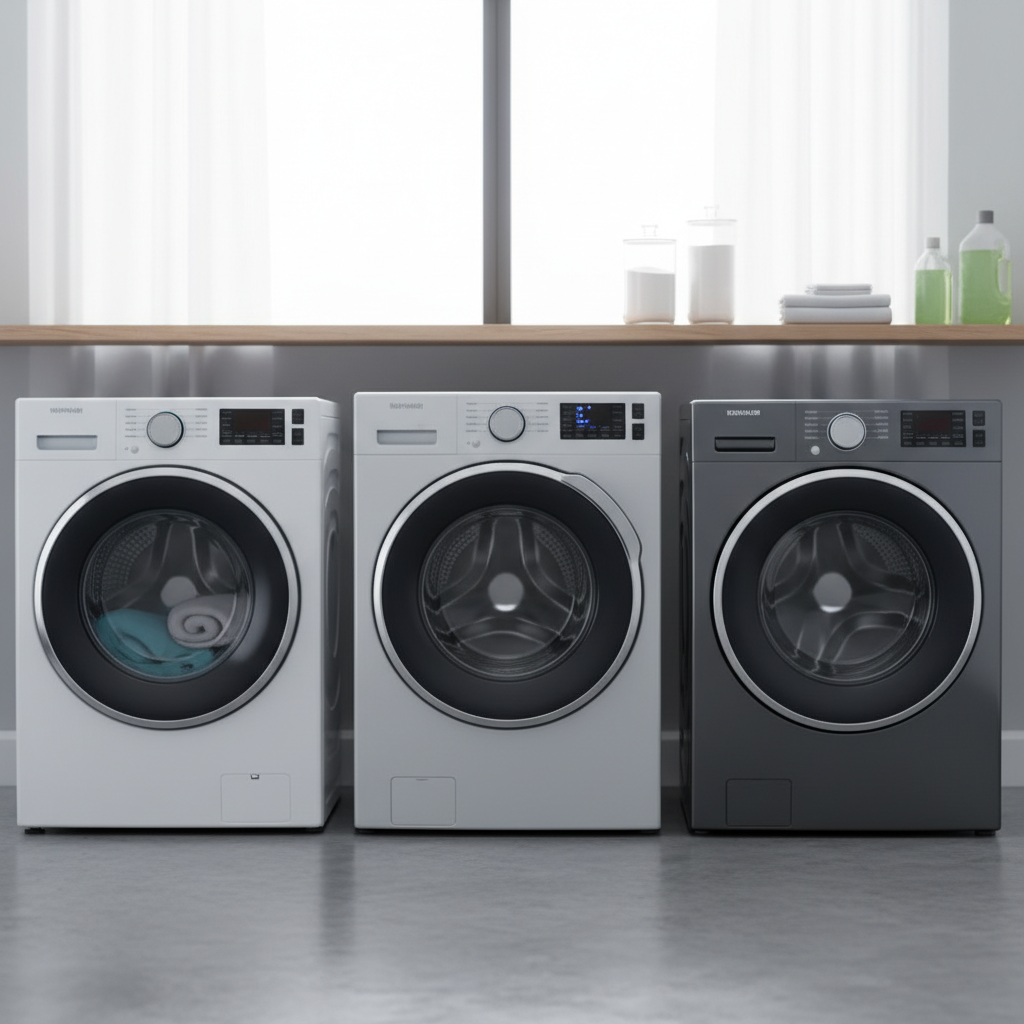
Washing Machine Brands Known for Exceptional Reliability
When investing in a major home appliance like a washing machine, reliability is often the most important factor. A machine that constantly needs repairs is not only frustrating but can also become a significant financial drain. Fortunately, decades of data from consumer reports, repair technicians, and user reviews have highlighted several brands that consistently build machines to last. These brands focus on robust engineering, quality materials, and proven technology to minimize breakdowns and deliver dependable performance year after year.
Choosing a brand with a low repair rate means you're more likely to avoid common issues like drain pump failures, control board malfunctions, or motor problems. While no machine is perfect, focusing on these highly-rated brands significantly increases your chances of a long, trouble-free ownership experience. Below, we explore the brands that have earned a reputation for having the lowest repair rates in the industry.
Speed Queen
Often hailed as the gold standard for durability, Speed Queen has built its entire reputation on creating washing machines that are built to last for decades, not just years. The company has its roots in commercial laundry, and it brings that same heavy-duty, commercial-grade construction to its residential models. Their machines are intentionally simple, forgoing many of the complex electronic features and cycles found on other modern washers. This "less is more" philosophy means there are fewer components that can fail, which is a major reason for their incredibly low repair rates.
Speed Queen washers typically feature heavy-gauge stainless steel tubs, commercial-grade motors, and all-metal transmissions, components that are rare in the residential market today. They are rigorously tested to withstand 25 years of use in an average home. While their upfront cost is higher than many competitors, owners often see it as a long-term investment that pays off by avoiding the replacement and repair costs associated with less durable machines. If your top priority is pure, uncompromising reliability and longevity over flashy features, Speed Queen is widely considered to be in a class of its own.
LG
LG has consistently earned top marks from consumers and repair technicians for reliability, particularly in the front-load washer category. A key factor in their success is the use of their Direct Drive motor technology. Unlike traditional washers that use belts and pulleys to spin the drum—parts that can wear out, stretch, or break over time—LG’s motor is attached directly to the drum. This design has fewer moving parts, resulting in less vibration, quieter operation, and significantly improved durability. LG is so confident in this technology that they offer a 10-year warranty on the motor itself.
Beyond the motor, LG washers are praised for their overall build quality and innovative features that don't compromise dependability. They have managed to strike a balance between offering advanced technology, like steam cycles and smart diagnostics, while maintaining a low rate of service calls. This makes them an excellent choice for consumers who want modern features without sacrificing the peace of mind that comes with a reliable appliance. Their strong performance in both front-load and top-load categories makes them a versatile and trusted option.
Whirlpool
Whirlpool is a household name in the appliance industry and has maintained a strong reputation for producing reliable and easy-to-service washing machines for many years. One of their biggest advantages is the wide availability of parts and the large number of technicians who are familiar with repairing their products. This means that if a repair is needed, it’s often quicker and more affordable to fix than some less common or more complex brands. Whirlpool tends to focus on proven, practical technology rather than being the first to market with untested features, which contributes to their lower repair rates.
The brand offers a wide range of models, from basic, no-frills top-loaders with classic agitators to more advanced front-load machines. Their traditional top-load models are particularly noted for their straightforward mechanical designs, which have been refined over decades for maximum durability. For consumers seeking a dependable workhorse from a well-established American brand, Whirlpool offers a solid combination of performance, reliability, and serviceability at a reasonable price point.
Maytag
Owned by the Whirlpool Corporation, Maytag has long been synonymous with dependability, famously symbolized by the "lonely repairman" in their classic ad campaigns. The brand continues to focus on durability as a core selling point, often incorporating heavy-duty components like commercial-grade motors and stainless steel wash baskets into their machines. Maytag washers are engineered to handle heavy use and large loads, making them a popular choice for busy families.
Much like their parent company, Maytag benefits from a simple, robust design philosophy and the widespread availability of parts. They often share platforms and core components with Whirlpool models, which means they benefit from the same proven engineering. However, Maytag often positions itself as a slightly more premium, heavy-duty option. Many of their models come with extended warranties on key components, such as a 10-year limited parts warranty on the motor and wash basket, giving consumers extra confidence in their long-term reliability.
Miele
For those in the premium market, the German-engineered brand Miele is renowned for its exceptional quality and longevity. Miele washers are subjected to some of the most rigorous testing in the industry, designed and tested to last for a 20-year lifespan. Every component, from the enameled front panel that resists scratches and corrosion to the cast-iron cradle that stabilizes the drum, is engineered for maximum durability. This meticulous attention to detail and quality control results in extremely low failure rates.
Miele washers are known for their quiet operation, excellent cleaning performance, and gentle fabric care. They often feature unique, high-end systems like their Honeycomb Drum, which creates a thin film of water to cushion clothes during the wash cycle. While the upfront cost of a Miele machine is significantly higher than most other brands, it is a long-term investment in superior engineering and reliability. For consumers who are willing to pay a premium for top-tier performance and peace of mind, Miele is often considered the pinnacle of washing machine durability.
What Factors Contribute to a Washing Machine's Reliability?
Understanding what makes one washing machine more reliable than another can help you make a more informed decision. It’s not just about the brand name; it’s about the engineering and materials that go into the appliance. Several key factors directly impact how long a washer will last and how often it might need repairs.
One of the most critical components is the motor and drive system. As seen with LG, direct-drive motors tend to be more reliable than traditional belt-drive systems because they have fewer moving parts to wear out. The materials used in construction also play a huge role. Machines with stainless steel wash tubs are more durable and resistant to rust and chipping than those with plastic or porcelain-coated tubs. Likewise, metal components in the transmission, suspension, and housing will always outlast plastic alternatives. Simplicity in design is another factor; machines with fewer complex electronic controls and cycles often have lower failure rates because there are simply fewer things that can go wrong. Finally, a brand's commitment to quality control and rigorous testing before a product leaves the factory is a crucial, albeit invisible, factor in its long-term reliability.
Answering Common Questions About Washer Reliability
When searching for a dependable washing machine, several common questions arise. Getting clear answers to these can help you narrow down your choices and feel more confident in your final decision.
Are Top-Load or Front-Load Washers More Reliable?
Historically, traditional top-load washers with agitators were considered the most reliable. Their simple, mechanical design had been used for decades, with most of the kinks worked out. However, modern washing machines have changed this dynamic. Early front-load models developed a reputation for issues with mold and mildew around the door gasket and problems with door lock mechanisms. Manufacturers have since addressed these problems with better gasket designs, self-clean cycles, and improved drainage.
Today, reliability is less about the configuration (top-load vs. front-load) and more about the build quality and specific technology used by the brand. High-quality front-loaders from brands like LG have proven to be exceptionally reliable due to their direct-drive motors and robust construction. At the same time, many new high-efficiency (HE) top-loaders without agitators use more complex technology than their older counterparts, which can introduce new potential points of failure. Ultimately, a well-built front-loader from a reputable brand is just as likely to be reliable as a well-built top-loader.
How Much Does a Typical Washing Machine Repair Cost?
The cost of a washing machine repair can vary dramatically based on the problem, the brand of the machine, and labor rates in your area. Some of the most common repairs include replacing a broken lid switch, which is often a relatively inexpensive fix. A more moderate repair might involve replacing a faulty drain pump or a worn-out drive belt, which can cost a few hundred dollars when parts and labor are included.
The most expensive repairs typically involve the core components of the machine. A failed motor, a broken transmission, or a malfunctioning electronic control board can easily cost half as much as a new machine, or even more. This is where the reliability of the brand becomes a major financial factor. Investing in a machine with a low repair rate for these major components can save you from facing a prohibitively expensive repair bill down the road. It's also why extended warranties on parts like the motor and drum are so valuable.
Does Regular Maintenance Prevent Major Repairs?
Absolutely. While you can't prevent every potential failure, simple, regular maintenance can significantly extend the life of your washing machine and prevent some of the most common service calls. One of the most important tasks is to avoid overloading the machine. Overly heavy loads put immense strain on the motor, transmission, and suspension components, leading to premature wear and tear. It's also crucial to use the correct type and amount of detergent. Using too much soap, especially in an HE machine, can lead to buildup that damages sensors and seals.
Other simple maintenance steps include regularly cleaning the drain pump filter to prevent clogs, wiping down the door seal on a front-loader to prevent mold, and ensuring the machine is perfectly level to minimize vibration. These small, consistent actions reduce stress on the machine's mechanical parts and can help you avoid a costly and inconvenient breakdown. A few minutes of maintenance each month is a small price to pay for years of added reliability.
For more detailed information on appliance reliability, you can consult resources like Consumer Reports or find maintenance tips on home care websites like The Spruce.
Final Thoughts on Choosing a Reliable Washer
Selecting a washing machine with a low repair rate is one of the smartest investments you can make for your home. By focusing on brands with a proven track record of durability like Speed Queen, LG, Whirlpool, and Maytag, you prioritize long-term value over short-term savings or superfluous features. Understanding the key factors that contribute to reliability—such as motor type, build materials, and design simplicity—empowers you to look beyond marketing claims and assess the true quality of a machine. Ultimately, a dependable washer saves you money, time, and the frustration of unexpected breakdowns, providing consistent performance for years to come.