Discovering Dependable Tire Brands: A Guide for Savvy Buyers
So, what *is* the most reliable tire brand? It's a critical question, as the answer impacts everything from your safety to your wallet. To make your decision easier, we’ve compared the industry's top contenders based on tread life, all-weather performance, and real-world driver feedback.
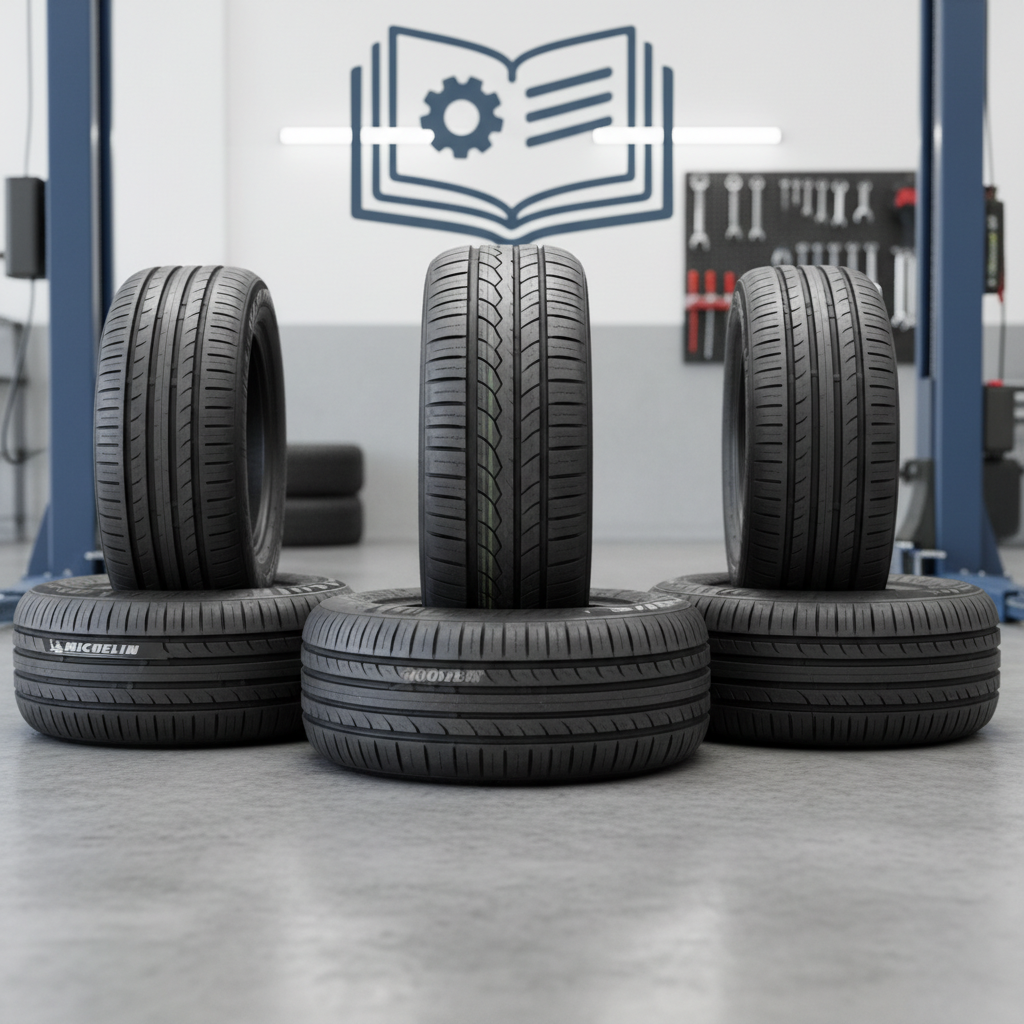
Top Contenders for the Most Reliable Tire Brand
When it comes to vehicle safety and performance, your tires are one of the most critical components. A reliable tire delivers consistent grip, long-lasting tread, and predictable handling in various weather conditions. While the "most reliable" brand can be subjective and depend on your specific vehicle and driving needs, several brands consistently rank at the top in independent tests, customer satisfaction surveys, and industry reputation. These manufacturers have built their names on decades of innovation, rigorous quality control, and excellent warranty support.
Below, we explore some of the most trusted and reliable tire brands on the market today, breaking down what makes each one a top choice for discerning drivers.
1. Michelin
Often considered the gold standard in the tire industry, Michelin has a long-standing reputation for producing exceptionally reliable, long-lasting, and safe tires. The French manufacturer is a pioneer in tire technology, famously inventing the radial tire which revolutionized the industry. Michelin tires are renowned for their superior tread life, often backed by some of the best mileage warranties available, such as the 80,000-mile warranty on their Defender series. This longevity doesn’t come at the expense of performance; Michelin excels in creating tires that offer a balanced, comfortable ride, low road noise, and excellent fuel efficiency.
Their commitment to quality control is legendary. Michelin invests heavily in research and development, ensuring each tire model provides consistent performance from the day it's installed until it's time for a replacement. Whether you're looking for an all-season tire like the CrossClimate2, which offers outstanding grip in both dry and snowy conditions, or a high-performance tire from their Pilot Sport family, you are investing in a product known for its durability and safety-focused engineering.
2. Goodyear
As one of America's most iconic tire brands, Goodyear has built a legacy of reliability and durability, particularly for trucks, SUVs, and American-made passenger cars. Goodyear tires are often praised for their rugged construction and their ability to handle tough road conditions. The brand's focus on innovation is evident in technologies like their Weather Reactive Technology, which helps tires adapt to changing road conditions, and their SoundComfort Technology, which significantly reduces interior vehicle noise.
Goodyear's Assurance line of tires is a popular choice for families seeking safety and reliability, offering excellent all-season traction and long treadwear. For truck and SUV owners, the Wrangler series is almost synonymous with off-road capability and on-road toughness. While they might sometimes be firmer than a comparable Michelin, drivers choose Goodyear for the confidence that comes with a tire built to last and perform reliably day in and day out, backed by a strong warranty and a vast network of dealers.
3. Continental
This German engineering powerhouse is a major player in the global tire market, known for its focus on safety and advanced technology. Continental tires consistently score high marks in independent testing, especially in wet braking and handling categories. This makes them a top choice for drivers who prioritize safety in unpredictable weather. The brand was a pioneer in developing grooved tire treads and continues to innovate with technologies like their SportPlus+ Technology for enhanced grip and their EcoPlus Technology for improved fuel economy.
Continental offers a well-rounded portfolio, from the premium touring TrueContact Tour tires, which provide a quiet ride and long life, to the ExtremeContact sport tires that deliver exceptional grip for performance vehicles. Many luxury car manufacturers, including BMW, Mercedes-Benz, and Audi, choose Continental as their original equipment (OE) tire, a strong testament to the brand's quality, consistency, and reliability. For a tire that blends cutting-edge safety features with a comfortable driving experience, Continental is a formidable contender.
4. Bridgestone
Bridgestone is another global giant in the tire industry, with a reputation for producing high-quality, reliable tires across a wide range of categories. Originally a Japanese company, Bridgestone acquired the American company Firestone, solidifying its worldwide presence. The brand is particularly famous for its development of run-flat tire technology, allowing drivers to continue to a safe location even after a complete loss of air pressure. This feature alone makes them a top choice for those who prioritize safety and peace of mind.
The Bridgestone Turanza line is highly regarded for its quiet, comfortable ride, making it ideal for luxury sedans and family touring vehicles. Meanwhile, the Dueler series offers robust and reliable options for trucks and SUVs, balancing on-road comfort with off-road readiness. Bridgestone’s Ecopia line is designed for maximum fuel efficiency without compromising safety or tread life. The company's commitment to quality and performance makes it a consistently reliable choice for millions of drivers worldwide.
5. Pirelli
While often associated with high-performance supercars and Formula 1 racing, Pirelli's reputation for quality and engineering extends to its entire range of tires for everyday vehicles. An Italian brand with over a century of history, Pirelli places a heavy emphasis on performance, grip, and handling. If your definition of reliability includes predictable and precise control at high speeds or in challenging corners, Pirelli is often a top pick. Their P Zero line is the benchmark for ultra-high-performance tires.
However, Pirelli's reliability isn't limited to the racetrack. The Cinturato and Scorpion lines are designed for passenger cars, crossovers, and SUVs, bringing that performance-oriented engineering to daily driving. These tires are known for their excellent wet and dry traction and sophisticated ride quality. While their tread life might sometimes be slightly shorter than that of a touring-focused brand like Michelin, they provide a level of handling confidence and safety performance that many drivers consider an essential component of reliability.
What Truly Defines a Reliable Tire?
Choosing a reliable tire brand goes beyond just picking a familiar name. Understanding the key factors that contribute to a tire's overall reliability can help you make a more informed decision. These elements work together to ensure your safety, save you money in the long run, and provide a better driving experience.
Tread Life and Durability
The most obvious measure of reliability is how long a tire lasts. A tire with a long tread life is made from durable rubber compounds that resist wear and tear over thousands of miles. Brands prove their confidence in this area through treadwear warranties, often measured in miles (e.g., 60,000 or 80,000 miles). A strong warranty is a good indicator of a durable and reliable product. Durability also refers to the tire's ability to withstand road hazards like potholes and debris without sustaining damage to the sidewall or tread.
Performance in Adverse Conditions
A reliable tire performs predictably when you need it most—during a sudden rainstorm, an unexpected cold snap, or an emergency braking situation. Top brands invest heavily in tread pattern design and rubber compounds that provide consistent grip on wet, snowy, or icy surfaces. Look for tires with high ratings for wet traction and braking, as this is a critical safety aspect. The ability to resist hydroplaning (when a layer of water builds between the tires and the road surface, leading to loss of traction) is a hallmark of a well-engineered, reliable tire.
Quality Control and Consistency
True reliability means that the tire you buy today will perform just like the one you bought last year. Leading manufacturers have extremely strict quality control processes to ensure that every tire coming off the production line meets their high standards. This consistency minimizes the risk of defects like premature wear, vibrations, or tire separation. When you choose a reputable brand, you are paying for the assurance that your tires have been rigorously tested to perform as advertised.
Related Questions About Tire Reliability
What is a UTQG Rating and How Does It Relate to Reliability?
The UTQG (Uniform Tire Quality Grading) rating is a standard created by the U.S. Department of Transportation to help consumers compare tires. It consists of three components: Treadwear, Traction, and Temperature. The Treadwear grade is a comparative number; a tire with a grade of 600 is expected to last twice as long as a tire with a grade of 300 under controlled conditions. This is a direct indicator of longevity and reliability.
Traction is graded AA, A, B, or C, with AA being the best. This grade represents the tire's ability to stop on wet pavement, making it a crucial safety and reliability metric. Finally, the Temperature grade (A, B, or C) indicates the tire's ability to resist and dissipate heat. A higher grade (A is best) means the tire runs cooler at high speeds, reducing the risk of a blowout, which is a fundamental aspect of reliability.
Does Tire Maintenance Affect Reliability More Than the Brand?
While choosing a reliable brand is a crucial first step, proper maintenance is equally, if not more, important for ensuring your tires perform safely and last as long as they should. Even the most expensive Michelin or Continental tire will fail prematurely if not properly cared for. The two most critical maintenance tasks are maintaining correct air pressure and performing regular tire rotations.
Underinflated tires generate excess heat, wear unevenly on the outer edges, and decrease fuel economy. Overinflated tires can lead to a harsh ride and accelerated wear in the center of the tread. You should check your tire pressure at least once a month. Tire rotations, typically recommended every 5,000 to 7,000 miles, ensure that the tires wear evenly, maximizing their lifespan and maintaining balanced handling. In essence, a reliable brand gives you a great foundation, but your maintenance habits determine the ultimate reliability you experience on the road.
Conclusion
Ultimately, the most reliable tire brand is one that has consistently demonstrated a commitment to quality, safety, and longevity. Brands like Michelin, Goodyear, Continental, Bridgestone, and Pirelli have earned their top-tier reputations by investing in advanced engineering and rigorous testing. They stand behind their products with strong warranties and deliver predictable performance in a variety of conditions. When selecting your next set of tires, considering one of these established brands is a significant step toward ensuring a safe and dependable driving experience for years to come.