Discovering Excellence: A Guide to the Top-Rated Medical Schools in the USA
Curious about the top rated medical schools in the USA? Our comprehensive guide breaks down what makes a medical school stand out without making any overpromises. Discover how rankings are determined, the criteria used, and why certain schools consistently perform well.
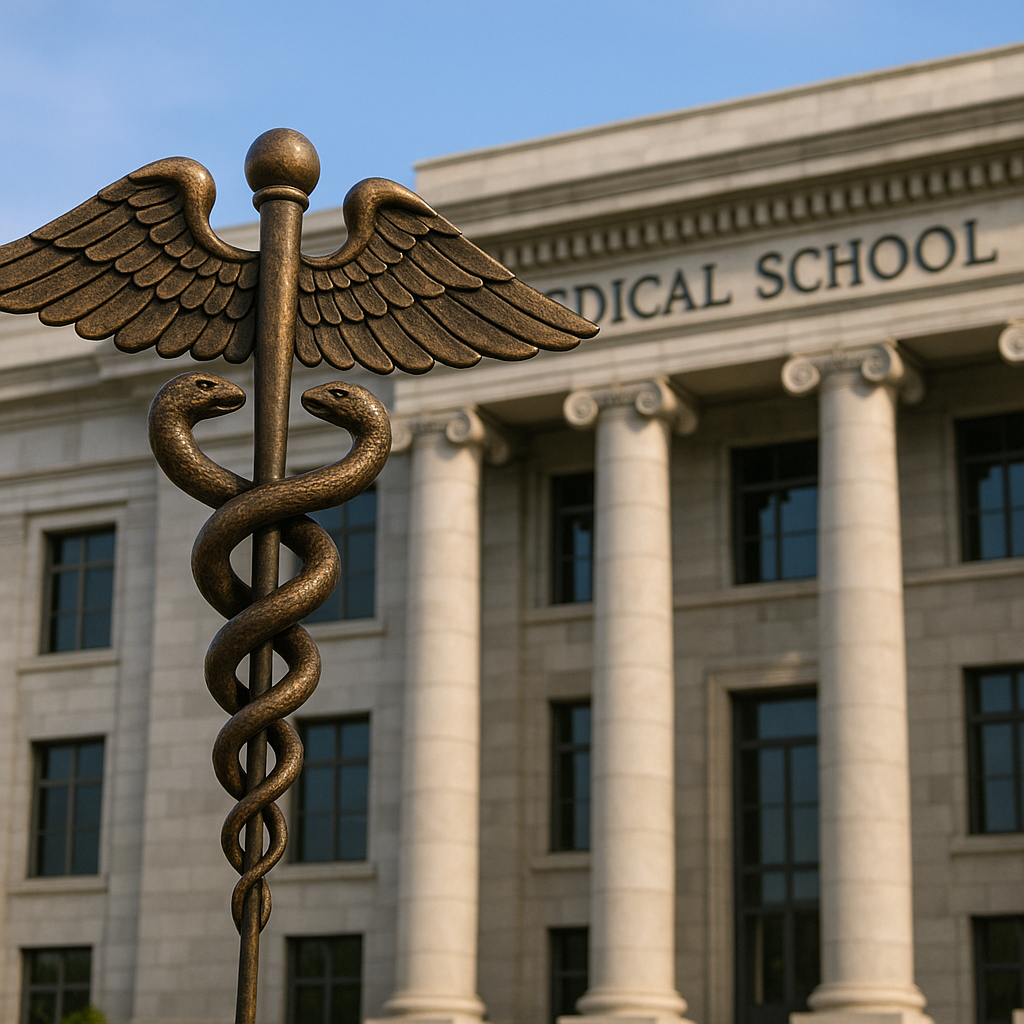
Understanding the Importance of Medical Schools in the USA
Medical schools in the United States are renowned worldwide for their rigorous academic programs, cutting-edge research, and excellent clinical training. Attending a top-rated medical school is a significant stepping stone for aspiring doctors who wish to excel in their careers. These institutions not only offer outstanding education but also open doors to numerous opportunities in the medical field.
In 2026, the landscape of medical education continues to evolve with an increasing emphasis on technology-driven healthcare solutions, which adds a dynamic aspect to the curriculum of these leading schools. As such, prospective students must seek comprehensive programs that prepare them for contemporary challenges in medicine.
Key Criteria for Evaluating Medical Schools
When considering which medical schools to apply to, prospective students should evaluate several essential criteria. Here’s a closer look:
Accreditation and Reputation
Accreditation is crucial as it assures that a school meets specific quality standards. The Liaison Committee on Medical Education (LCME) accredited programs are highly recommended. Reputation, both locally and internationally, is also vital, as it reflects the quality of education and respect in the medical community.
Research Opportunities
Top medical schools are often affiliated with research hospitals, providing students with opportunities to engage in significant medical research. Whether your interest lies in clinical trials or cutting-edge scientific investigations, schools that prioritize research can enhance your learning experience.
Clinical Rotations
Real-world experience is a cornerstone of medical education. Institutions offering diverse clinical rotations allow students to explore various specialties and better understand which area of medicine they might pursue.
Technology Integration
In 2026, medical schools are not just about traditional learning. They are increasingly integrating technology in their programs, such as simulation labs, telemedicine practices, and digital health solutions. Understanding how technology is altering patient care is crucial for future physicians.
The Top Rated Medical Schools in the USA
According to recent reports, several medical schools stand out for their exceptional programs and contributions to the field of medicine. Here are some of the top-rated medical schools in the USA as of 2026:
- Harvard Medical School - Known for its pioneering research and extensive hospital network, Harvard consistently ranks at the top. The program’s affiliation with Boston's top hospitals provides ample research and clinical experiences.
- Johns Hopkins University School of Medicine - Renowned for its research-intensive curriculum and commitment to medical innovation, Johns Hopkins offers a comprehensive education with numerous academic resources.
- Stanford University School of Medicine - With cutting-edge research facilities and a focus on interdisciplinary learning, Stanford prepares students for both the scientific and clinical aspects of medicine.
- University of Pennsylvania Perelman School of Medicine - A leader in medical education, Penn emphasizes both scientific inquiry and a robust hands-on clinical training program.
- Mayo Clinic Alix School of Medicine - This school offers a unique perspective with its patient-centered and experiential learning environment, benefitting from one of the nation's top-ranked hospital systems.
Real-World Impact of Top Medical Schools
Graduating from a top-rated medical school has numerous benefits. Practice-ready physicians who are well-versed in both traditional and modern methodologies tend to find greater opportunities in competitive residencies and fellowships.
An example of impact can be seen in alumni networks. Programs like those at Harvard and Johns Hopkins boast extensive professional networks that help graduates connect with potential employers, allowing seamless transitions to their professional careers.
Emerging Trends in Medical Education for 2026
As we look toward the future, medical education is poised to change dramatically. Here are a few trends that are shaping the landscape in 2026:
- Interdisciplinary Education - Medical schools increasingly incorporate interdisciplinary learning, combining medicine with fields like engineering, policy, and business to provide holistic healthcare solutions.
- Emphasis on Mental Health - There’s a growing focus on teaching medical students how to manage mental health, both their own and their patients’, as an integral part of patient care.
- Global Health Initiatives - Understanding global health challenges has become part of the core curriculum, preparing students for healthcare issues on an international scale.
Conclusion: Making an Informed Decision
Choosing the right medical school is a critical decision that will shape your career in medicine. As a prospective student, focusing on schools that excel in research, clinical training, and integration of technology will prepare you for the future landscape of healthcare. Make an informed decision by considering the points discussed and by visiting campuses or speaking with current students and faculty when possible.
For further guidance, prospective applicants can visit resources such as the Association of American Medical Colleges (AAMC) and the National Institutes of Health (NIH) for comprehensive support and information.
References
https://hms.harvard.edu/
https://www.hopkinsmedicine.org/som/
https://college.mayo.edu/academics/mayo-clinic-alix-school-of-medicine/