Discovering Excellence: The 15 Leading Cancer Hospitals in America
Discover the top cancer hospitals in the USA! Our carefully curated list highlights the leading 15 cancer hospitals renowned for their cutting-edge research and patient care excellence. Learn what makes these esteemed institutions stand out in the fight against cancer.
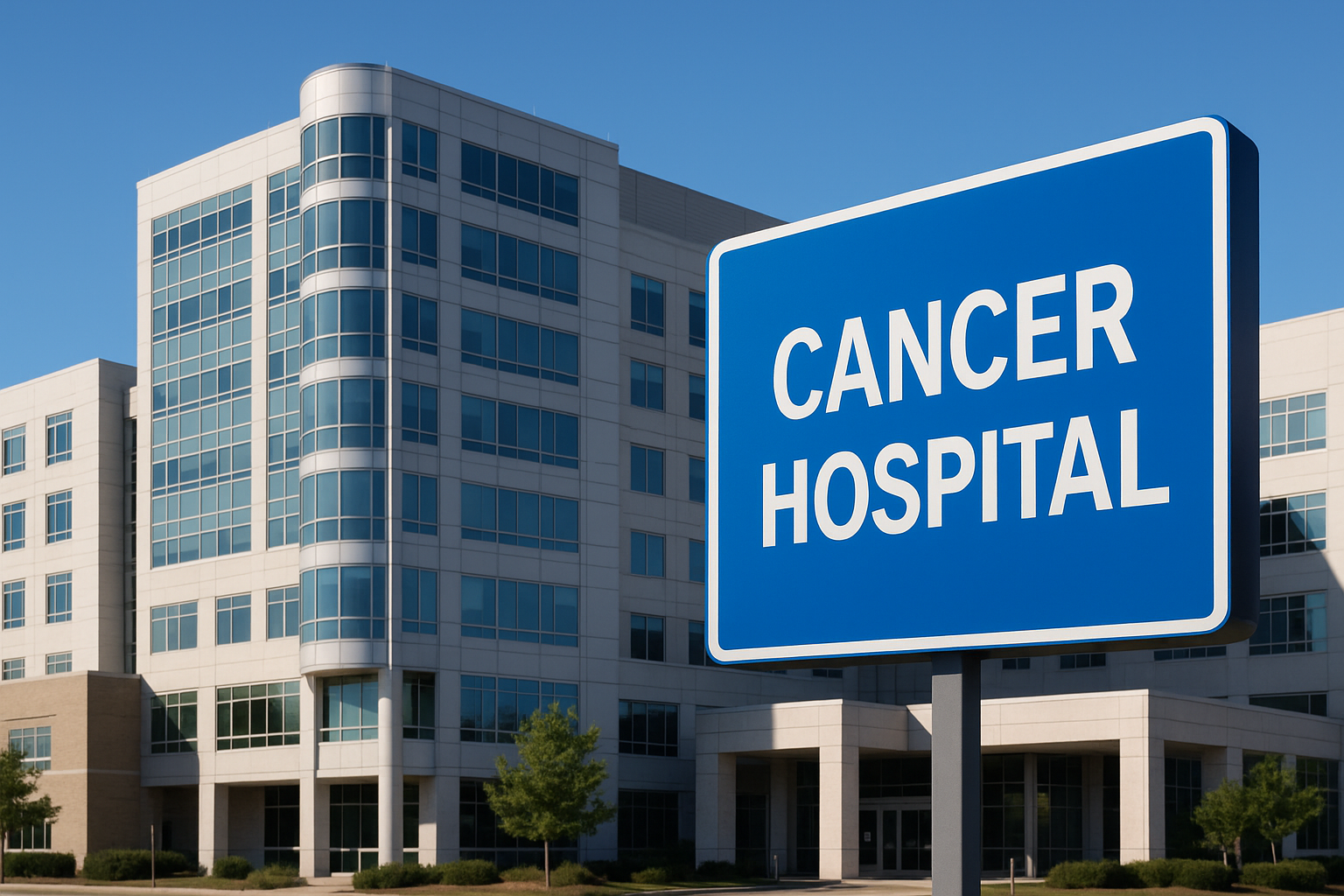
The Importance of Choosing the Right Cancer Hospital
When facing a cancer diagnosis, selecting the right hospital is crucial. The quality of care, availability of cutting-edge treatments, and the expertise of the medical staff can significantly influence outcomes. Here's a closer look at why choosing the right cancer hospital can make all the difference:
- Specialized Expertise: Top cancer hospitals often employ leading oncologists who specialize in specific cancer types, providing tailored and advanced treatment plans.
- Access to Clinical Trials: Renowned cancer hospitals frequently conduct clinical trials, offering patients access to new therapies before they are widely available.
- Comprehensive Care: These facilities often provide holistic care, including support services such as nutrition counseling, psychological support, and palliative care.
Factors that Qualify Hospitals as Top Cancer Centers
Understanding what sets leading cancer centers apart can guide decisions. Here are some key factors that qualify hospitals as top cancer centers:
Reputation and Research Excellence
Top hospitals have a strong reputation for cancer care excellence, as evidenced by national rankings and research output. They frequently publish in peer-reviewed journals and contribute significantly to the medical community's understanding of cancer treatment.
Advanced Treatment Options
Leading cancer hospitals use the latest technology and innovative treatments, such as immunotherapy, precision medicine, and minimally invasive surgery. These institutions are equipped to offer personalized treatment plans that consider genetic and molecular factors unique to each patient.
Patient Outcomes and Accreditation
Outcomes, such as survival rates and patient satisfaction, substantially influence hospital rankings. Accreditation by organizations like the National Comprehensive Cancer Network (NCCN) or American College of Surgeons Commission on Cancer (CoC) also highlights a center's commitment to maintaining high standards of care.
An Overview of the Top 15 Cancer Hospitals in the USA
The following hospitals are acclaimed for their cancer treatment facilities, cutting-edge research, and comprehensive care:
- Mayo Clinic, Rochester, MN: Known for personalized patient care and high survival rates.
- MD Anderson Cancer Center, Houston, TX: A leader in cancer research and innovative treatment approaches.
- Memorial Sloan Kettering Cancer Center, New York, NY: Offers exceptional care through multidisciplinary teams.
- Johns Hopkins Hospital, Baltimore, MD: Renowned for groundbreaking cancer research and surgical expertise.
- Cleveland Clinic, Cleveland, OH: Offers state-of-the-art cancer care and comprehensive treatment plans.
- UCLA Medical Center, Los Angeles, CA: Integrates advanced therapies and clinical trials in patient care.
- Massachusetts General Hospital, Boston, MA: Dedicated to pioneering research and personalized cancer therapy.
- Stanford Health Care - Stanford Hospital, Stanford, CA: Combines cutting-edge technology with top-tier patient care.
- University of Chicago Medical Center, Chicago, IL: Offers robust support services and innovative cancer treatments.
- NYU Langone Hospitals, New York, NY: Focuses on translational research and comprehensive multidisciplinary care.
- Northwestern Memorial Hospital, Chicago, IL: Known for its research-based treatment and care innovations.
- UCSF Medical Center, San Francisco, CA: Provides a wide range of cancer treatment options and supportive care services.
- UPMC Presbyterian Shadyside, Pittsburgh, PA: A leader in research and patient-sensitive treatment approaches.
- Mount Sinai Hospital, New York, NY: Boasts strong clinical programs and a commitment to cancer research excellence.
- Yale New Haven Hospital, New Haven, CT: Recognized for outstanding patient care and innovative research.
Advancements in Cancer Treatment in 2026
In 2026, the field of oncology continues to make strides with several advancements that could be valuable for patients and their families:
Personalized Medicine
With the advent of genome sequencing, treatments are increasingly personalized to the individual's specific cancer type. Personalized medicine allows for targeted therapies that minimize side effects and improve outcomes. [Source]
Immunotherapy
Immunotherapy has become a cornerstone of cancer treatment, harnessing the body's immune system to fight cancer cells more effectively. Newer forms of immunotherapy continue to emerge, offering hope, particularly for hard-to-treat cancers. [NCI]
AI in Cancer Treatment
Artificial intelligence (AI) is now widely employed to improve diagnostic accuracy and predict treatment responses. AI tools analyze complex datasets to provide insights that significantly enhance patient care and treatment personalization. [Nature Journal]
Navigating Cancer Care: What Patients Should Consider
Making decisions about cancer care can be overwhelming. Here are some tips to help navigate the process effectively:
- Research Center Accreditation: Look for accredited centers to ensure high-quality standards.
- Understand Your Treatment Options: Discuss with healthcare providers about available treatment plans and their potential effectiveness and side effects.
- Seek Second Opinions: Don’t hesitate to consult multiple experts to explore various perspectives on treatment approaches.
- Consider Support Services: Evaluate the availability of support groups, counseling, and other resources that can assist with coping during treatment.
- Review Hospital Resources: Consider the hospital’s facilities, technology access, and patient satisfaction reviews when making your choice.
Conclusion
Selecting the right cancer hospital is a critical decision that can impact treatment outcomes and the overall patient experience. By considering factors such as reputation, technology, personalization, and available support services, patients can make informed choices that align with their medical needs and personal preferences. Staying informed about advancements in cancer treatment is also essential to benefit from new technologies and research breakthroughs in 2026 and beyond.