Discovering Quality: Top Picks for Extra Virgin Olive Oil Brands
Navigating the olive oil aisle can be surprisingly complex, with dozens of brands all claiming to be the "best.
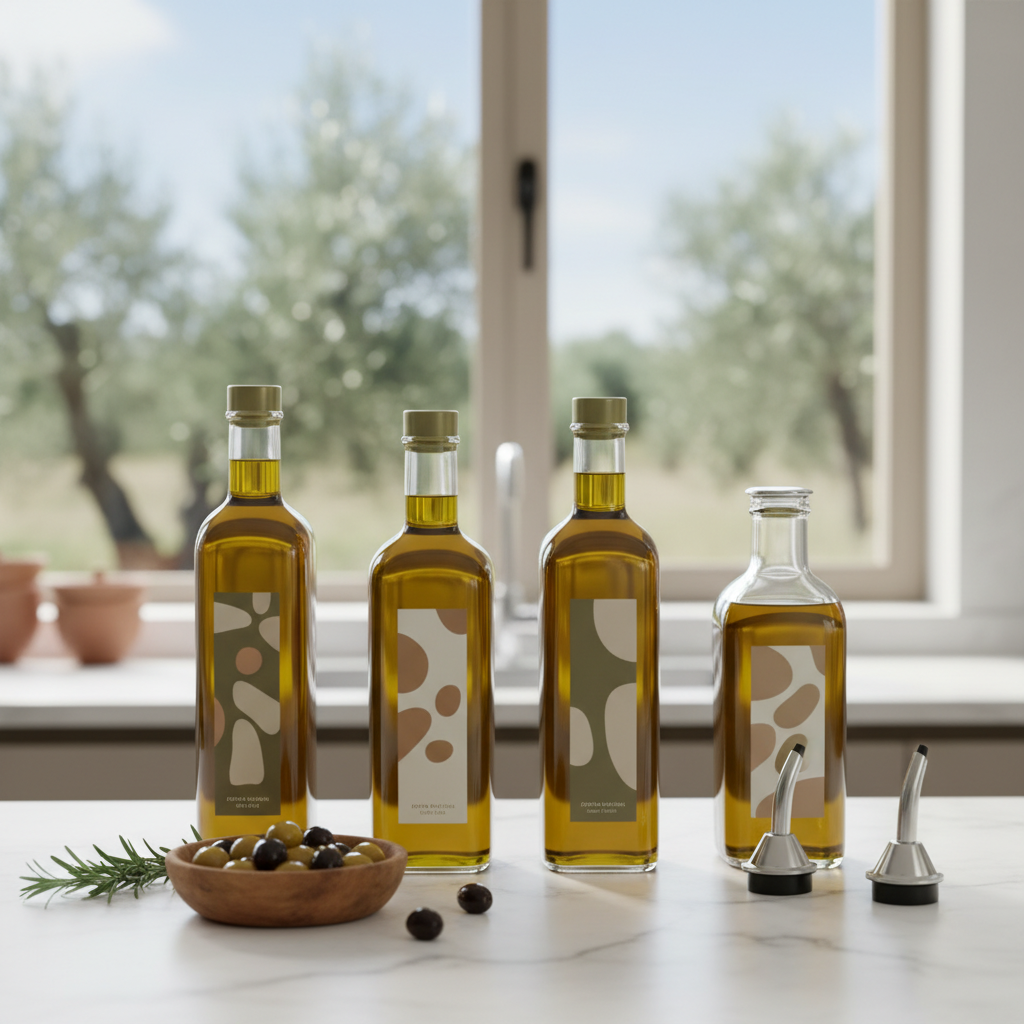
Exploring the Best Brands of Extra Virgin Olive Oil
Navigating the olive oil aisle can be a surprisingly complex task. With dozens of bottles competing for your attention, featuring labels from Italy, Spain, California, and beyond, how do you choose the right one? The term "extra virgin" is a promise of quality, but not all EVOOs are created equal. The "best" brand often depends on your personal taste preference and how you plan to use it—whether for drizzling, dipping, or everyday cooking. Below, we explore some of the most reputable and high-quality extra virgin olive oil brands known for their consistency, flavor, and commitment to authenticity.
Top-Tier Extra Virgin Olive Oil Brands
This list highlights brands that have earned a strong reputation among chefs and home cooks alike for their quality, transparency, and distinct flavor profiles.
California Olive Ranch
A true powerhouse in the American olive oil scene, California Olive Ranch has made high-quality EVOO widely accessible. They are known for their commitment to transparency and freshness, often printing the harvest date directly on the bottle, which is a key indicator of quality. Their flagship "100% California" EVOO offers a balanced, fruity, and slightly peppery flavor that is incredibly versatile, making it a perfect all-purpose oil for sautéing, roasting, and making dressings.
In addition to their California-grown oils, the brand also offers a "Global Blend" line, which combines their California olives with oils from trusted growers in Argentina, Chile, and Portugal. This allows them to maintain a consistent supply and a more affordable price point while still adhering to strict quality standards. For consumers looking for a reliable, fresh, and flavorful domestic option that can be found in most major supermarkets, California Olive Ranch is an excellent starting point.
Cobram Estate
Hailing from Australia, Cobram Estate is one of the most awarded olive oil producers in the world, consistently winning accolades for its superior quality and vibrant flavors. The company places a massive emphasis on freshness, controlling the entire process from grove to bottle. Their oils are known for their distinct "green" and grassy notes, often accompanied by a robust, peppery finish that tickles the back of the throat—a telltale sign of high polyphenol content, which are powerful antioxidants.
Cobram Estate typically offers different intensity levels, such as "Light," "Classic," and "Robust," allowing consumers to choose an oil that perfectly matches their culinary needs. The Classic flavor is a fantastic all-rounder, while the Robust is ideal as a finishing oil for grilled meats, bitter greens, or hearty soups where you want the olive oil's character to shine through. Their commitment to quality makes them a go-to brand for those who appreciate a bold and fresh-tasting EVOO.
Lucini Italia
For those seeking an authentic taste of Italy, Lucini Italia is a brand that prides itself on traditional methods and estate-grown olives. Their Premium Select Extra Virgin Olive Oil is made from olives harvested exclusively in the picturesque hills of central Italy. The oil is produced in limited quantities to ensure high quality and is known for its distinct, well-balanced flavor profile that features notes of almond and a pronounced peppery finish.
Lucini Italia is celebrated for its commitment to using only hand-picked olives that are crushed within 24 hours of harvest, preserving the oil's delicate flavors and health benefits. This oil is not meant for high-heat cooking but rather as a finishing oil. Drizzling it over pasta, bruschetta, salads, or a simple slice of rustic bread allows its complex, artisanal character to be fully appreciated. It represents a classic Italian EVOO experience.
Graza
Breaking into the market with modern branding and a user-friendly approach, Graza has quickly become a favorite among a new generation of home cooks. Their unique concept revolves around two distinct oils: "Sizzle" and "Drizzle." Both are made from 100% single-origin Picual olives from Jaen, Spain, but are harvested and processed differently to suit their intended purpose. This clever marketing eliminates the guesswork for consumers.
"Sizzle" is made from mid-season olives, resulting in a milder, more mellow flavor perfect for everyday cooking like sautéing, roasting, and searing. "Drizzle" is made from early-harvest green olives, which gives it a much more pungent, grassy, and peppery flavor profile, designed specifically for finishing dishes. Both come in fun, opaque squeeze bottles that are not only practical for the kitchen but also protect the oil from light degradation.
Partanna
If you're looking for an olive oil with a uniquely smooth and buttery flavor, Partanna is a must-try. This unfiltered EVOO comes from Sicily and is made exclusively from Nocellara del Belice olives grown on the Partanna estate. Because it is unfiltered, the oil has a slightly cloudy, green appearance and a very mild, almost sweet flavor with notes of artichoke and almond and very little bitterness or pepperiness.
This gentle flavor profile makes Partanna an exceptionally versatile oil. It's wonderful for dipping bread, making pesto, or for use in baking where you don't want an overpowering olive taste. Its mildness also makes it a great choice for introducing people to the world of high-quality olive oil. The oil comes in a distinctive tin, which is excellent for protecting it from light and preserving its freshness.
What Truly Defines a "Best" Extra Virgin Olive Oil?
Beyond brand names, several key factors determine the quality of an extra virgin olive oil. Understanding these can help you make a more informed choice, no matter which bottle you're considering.
- Harvest Date: This is arguably the most important date on a bottle. Olive oil is a fresh fruit juice and does not improve with age. Look for a harvest date within the last year for the freshest flavor and highest health benefits. A "best by" date is less reliable, as it's often two years from bottling, not harvesting.
- Packaging: Light is one of the biggest enemies of olive oil. High-quality EVOO should always be packaged in dark glass bottles, tins, or other opaque containers that protect it from light degradation, which can quickly turn the oil rancid.
- Origin and Certifications: Knowing where the olives were grown can tell you a lot about the oil's potential flavor. Certifications like PDO (Protected Designation of Origin) or PGI (Protected Geographical Indication) guarantee that the oil was produced in a specific region using traditional methods, ensuring a certain standard of quality and authenticity.
- The "Extra Virgin" Standard: To be classified as "extra virgin," an oil must be extracted without the use of high heat or chemicals (a process known as cold-pressing) and must have an acidity level of less than 0.8%. It must also pass a sensory test, proving it has positive fruitiness and no flavor defects.
Common Questions About Choosing and Using Olive Oil
Even with a great bottle in hand, many people have questions about how to best use and care for their olive oil.
Can You Cook with Extra Virgin Olive Oil?
Yes, absolutely. One of the most persistent myths in the culinary world is that you shouldn't cook with EVOO. While it's true that extremely high heat can degrade the flavor and health benefits, quality extra virgin olive oil has a smoke point that is typically between 375°F and 410°F. This range is perfectly suitable for most common cooking methods, including sautéing, pan-frying, and roasting.
The key is to use the right oil for the job. You wouldn't want to use an expensive, delicate finishing oil for high-heat searing, as you'll lose its nuanced flavors. Instead, a good-quality, all-purpose EVOO (like many from California Olive Ranch or the "Sizzle" oil from Graza) is a healthier and more flavorful choice for everyday cooking than many refined vegetable oils.
How Should I Store Olive Oil to Keep it Fresh?
Proper storage is critical to preserving the quality of your olive oil. The three primary enemies of olive oil are heat, light, and oxygen. To combat these, always store your oil in a cool, dark place like a pantry or cupboard—never next to the stove, where temperature fluctuations will rapidly degrade it. Also, keep the cap sealed tightly to minimize exposure to oxygen, which causes oxidation and rancidity.
Once opened, a bottle of olive oil is best consumed within three to four months. While it won't spoil in a way that makes you sick, it will lose its vibrant flavor and antioxidant properties over time. Buying a bottle size that you know you can use within that timeframe is always the best strategy for ensuring you're enjoying the oil at its peak.
What Do Terms Like "Cold-Pressed" and "First Press" Actually Mean?
The term "cold-pressed" refers to the method of extracting oil from olives without using excessive heat. By keeping the temperature below a certain threshold (typically around 80°F), producers preserve the oil's delicate flavors, aromas, and nutritional compounds like polyphenols. All true extra virgin olive oil is produced this way, so while the term is a good indicator, it's a standard requirement for the EVOO classification.
"First press" is a term that is largely outdated but still used for marketing. It harks back to an era when olive paste was pressed multiple times to extract all the oil. Today, modern olive oil extraction uses a centrifuge that separates the oil from the water and olive solids in a single, continuous process. Therefore, all extra virgin olive oil is technically from the "first press." If you see both terms on a bottle, it’s a bit redundant but reinforces that the oil was made using modern, high-quality methods.
Finding Your Perfect Olive Oil
Ultimately, the "best" extra virgin olive oil is a matter of personal preference and intended use. A robust, peppery oil from Italy might be perfect for finishing a steak, while a milder, buttery oil from California could be your go-to for baking and light sautés. By paying attention to harvest dates, choosing brands known for transparency, and storing your oil properly, you can ensure you're getting a fresh, flavorful, and healthy product every time.