Discovering Reliable Incontinence Underwear Solutions for Women
Finding the right incontinence underwear can feel overwhelming, but you’ve come to the right place for clear answers. We’ve compared the top options available for women, focusing on what truly matters: absorbency level, all-day comfort, and how discreetly they fit under your clothes.
Navigating Your Choices: A Guide to Incontinence Underwear Options for Women
Living with bladder leaks, whether occasional or frequent, can be a challenge. However, modern incontinence products have evolved significantly, offering discreet, comfortable, and effective solutions that allow women to maintain an active and confident lifestyle. Understanding the different types of incontinence underwear available is the first step toward finding the perfect product for your specific needs. From disposable briefs to washable panties, the options are designed to cater to various levels of leakage, body shapes, and personal preferences.
The goal is to find a product that not only provides reliable protection but also feels comfortable and allows you to go about your day without a second thought. This guide explores the most common and effective incontinence underwear options, breaking down their features, benefits, and ideal use cases to help you make an informed decision.
Disposable Pull-Up Style Underwear
Disposable pull-up underwear is one of the most popular choices for women managing moderate to heavy incontinence. Designed to look and feel like regular underwear, these products offer a balance of high absorbency and discretion. They are easy to pull on and off, making them convenient for daily use. Most brands feature a cloth-like outer material that is soft against the skin and quiet under clothing, eliminating the rustling sound often associated with older incontinence products. The core technology in these pull-ups is designed to quickly lock away moisture and neutralize odors, keeping you feeling dry and fresh for hours.
When selecting disposable pull-ups, pay close attention to the sizing and absorbency level. A proper fit is crucial for preventing leaks; the leg gathers should be snug but not uncomfortably tight. Many products are specifically designed for a woman's anatomy, with targeted absorption zones where they are needed most. This style is an excellent all-around option for daytime activities, work, or social outings where you need dependable protection without sacrificing comfort or a discreet appearance.
Reusable and Washable Incontinence Panties
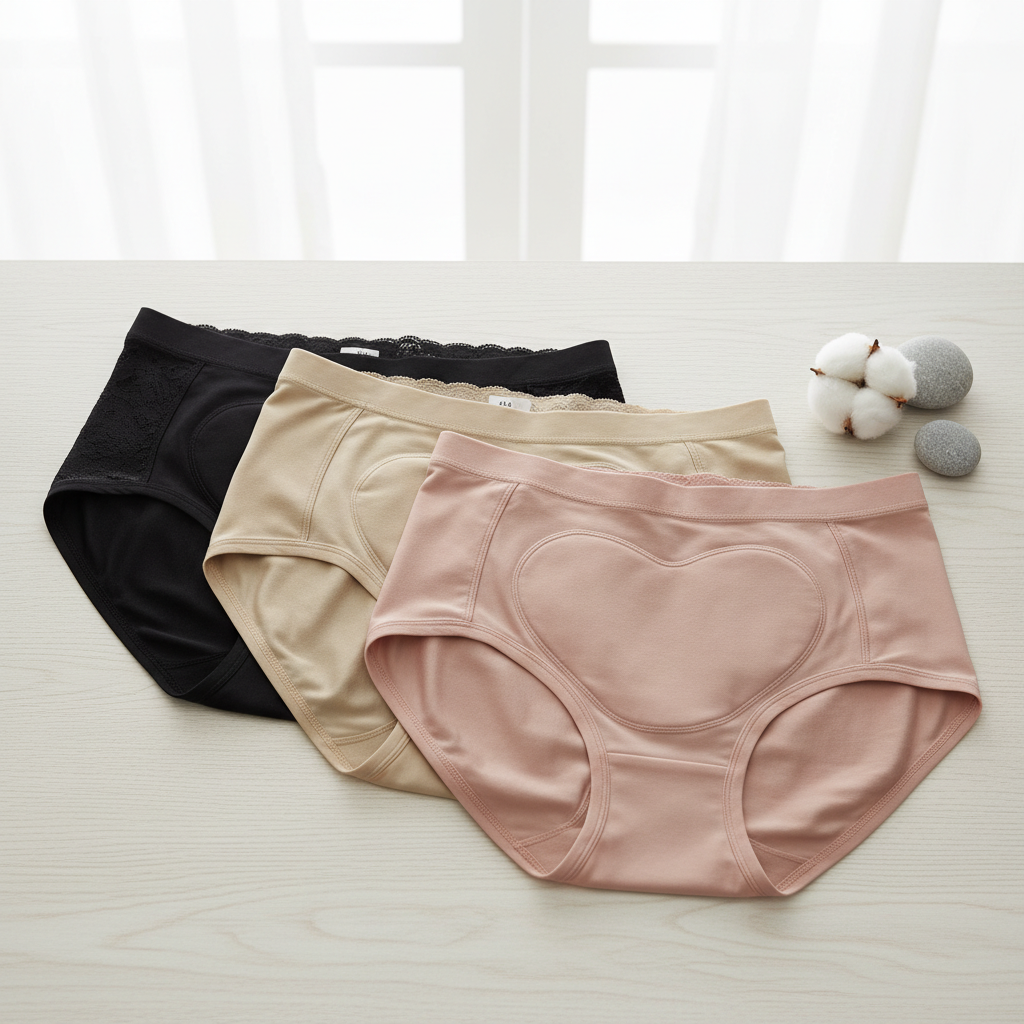
For women with light to moderate bladder leakage, reusable and washable incontinence panties are an eco-friendly and cost-effective alternative. These products are made from high-quality fabrics like cotton or bamboo and look virtually identical to standard underwear. The magic lies in the built-in absorbent pad, which is integrated seamlessly into the garment. This multi-layered pad is designed to absorb liquid, wick moisture away from the skin, and prevent leaks, all while remaining surprisingly thin and discreet.
The primary benefit of washable panties is their sustainability and long-term value. While the initial investment is higher than a pack of disposables, they can be washed and reused hundreds of times, significantly reducing waste and ongoing costs. They are perfect for managing light stress incontinence (leaks when coughing, sneezing, or exercising) or for those who prefer the feel of real fabric against their skin. Many women find them to be more breathable and comfortable for all-day wear compared to their disposable counterparts.
Bladder Control Pads with Regular Underwear
For those with very light or occasional leakage, using bladder control pads with your own regular underwear is a highly flexible and discreet option. It's important to distinguish these from menstrual pads, as they are specifically engineered to handle the thinner, faster flow of urine. Bladder control pads feature super-absorbent polymers that can hold a significant amount of liquid relative to their size and are exceptional at neutralizing ammonia odors unique to urine. They come in a vast range of absorbency levels, from very light pantiliners to ultimate-level pads for more substantial gushes.
This approach allows you to continue wearing your favorite underwear while adding the protection you need. The pads have an adhesive strip on the back to secure them in place, ensuring they don’t shift during movement. This option is ideal for women who want minimal intervention and only need protection at certain times, such as during a workout or when recovering from an illness. It provides a sense of normalcy and control, as you can easily carry spare pads and change them as needed throughout the day.
Overnight Incontinence Underwear
Getting a full, uninterrupted night's sleep is essential for overall health, and overnight incontinence underwear is specifically designed to make that possible. These products offer the highest level of absorbency available, engineered to provide up to 8-12 hours of protection. They feature a larger absorbent core that extends further up the front and back, providing maximum coverage whether you sleep on your back, side, or stomach. The leg cuffs are often taller and more robust to create a secure barrier against leaks while lying down.
Comfort is also a key feature of overnight underwear. The materials are typically extra soft and breathable to prevent skin irritation during prolonged wear. Many women who use a lower-absorbency product during the day switch to an overnight-specific option at night for peace of mind. Waking up to dry sheets and comfortable skin can dramatically improve quality of life, making this specialized product a worthy investment for anyone dealing with heavy nighttime leakage.
Belted Undergarments and Guards
Belted undergarments are a slightly different style that combines a highly absorbent pad with a reusable belt system. The pad, which is much larger and more absorbent than a standard bladder control pad, is held in place by soft, elastic straps that fasten around the hips. This design offers a secure, customizable fit without the full coverage of a pull-up style brief. It's a popular choice in healthcare settings but is also available for home use.
This option is particularly beneficial for women with limited mobility, as the open-sided design can make changing easier without having to fully remove clothing. The belts provide a snug fit that helps prevent slipping and leakage, while the focus on airflow around the hips can improve skin health. While perhaps less discreet under form-fitting clothes, they offer a high level of protection and are a practical solution for those seeking a balance between a pad and a full brief.
Understanding the Different Levels of Incontinence
Choosing the right product starts with understanding the nature of your bladder leakage. Incontinence isn't a one-size-fits-all condition; it varies widely in frequency and volume. Medical professionals generally categorize it into a few key levels, and identifying where you fit can guide you to the most appropriate and effective solution. This knowledge empowers you to select products that provide enough protection without being excessive, ensuring both comfort and confidence.
Light incontinence is often characterized by small drips or dribbles, typically amounting to only a few drops to a teaspoon of leakage. This might happen when you laugh, sneeze, cough, or lift something heavy (stress incontinence). For this level, thin bladder control pads, liners, or specialized light-absorbency washable underwear are usually sufficient. Moderate incontinence involves more substantial leaks, often in gushes that can soak through underwear. This may occur several times a day and requires a product with a higher absorption capacity, such as moderate-absorbency disposable pull-ups or pads designed to hold several ounces of liquid. Heavy or severe incontinence refers to a frequent, significant loss of bladder control, sometimes involving the full contents of the bladder. For this level, maximum-absorbency products, such as overnight underwear or heavy-duty briefs, are necessary to ensure complete protection and skin dryness.
Key Factors to Consider When Choosing Incontinence Underwear
Beyond the type and absorbency level, several other factors play a crucial role in finding the perfect incontinence product. Comfort, fit, and discretion are just as important as protection. A product that leaks or feels bulky can be just as frustrating as the condition itself. Taking the time to consider these details will help you find a solution that seamlessly integrates into your life.
Absorbency Level: Finding the Right Protection
Absorbency is the single most critical feature of any incontinence product. Manufacturers often use a rating system, such as "light," "moderate," "maximum," or "overnight," but these terms are not standardized across brands. It's often helpful to look for more specific information, like how many ounces of fluid the product can hold. A good starting point is to realistically assess your needs. If you only experience small leaks, a light pad will be more comfortable and discreet than a bulky brief.
Conversely, trying to get by with a product that has insufficient absorbency will inevitably lead to leaks and anxiety. It's often a good idea to have a couple of different products on hand—perhaps a lighter option for daytime use and a more absorbent one for nighttime or long outings where a change may not be convenient. Don't be afraid to try sample packs from different brands to see which one performs best for your unique situation.
Material and Comfort: What to Look For
The materials used in incontinence underwear directly impact comfort and skin health. Modern disposable products often feature a soft, cloth-like outer layer and a gentle, hypoallergenic inner lining to reduce the risk of chafing and irritation. Breathability is a key factor; materials that allow air to circulate help keep the skin dry and healthy, preventing rashes and discomfort. Look for products that are dermatologically tested and free from harsh chemicals or fragrances if you have sensitive skin.
For reusable underwear, natural fibers like cotton and bamboo are popular choices due to their softness and breathability. The absorbent core in these garments is designed to be highly effective yet thin. The overall goal is a product that feels as much like regular underwear as possible, allowing you to forget you're even wearing it.
Discreetness and Fit: How to Wear with Confidence
For many women, the fear of a product being noticeable under clothing is a major concern. Today's incontinence underwear is designed with discretion in mind. They are thinner, more form-fitting, and quieter than ever before. To ensure a discreet profile, achieving the right fit is essential. A product that is too large can bunch up and create visible lines, while one that is too small can dig in and feel uncomfortable.
Always use the manufacturer's sizing chart, which is typically based on waist and hip measurements. A well-fitting product should have snug leg gathers that act as a barrier against leaks without pinching your skin. The waistband should sit comfortably without sagging. Many modern designs also come in various colors, such as black or beige, to better match your wardrobe and further enhance their discreet nature under clothing.
Conclusion
Finding the right incontinence underwear is a personal journey that involves matching product features to your individual needs and lifestyle. Whether you prefer the convenience of disposable pull-ups, the sustainability of washable panties, or the flexibility of pads, there is a solution available to help you manage bladder leaks with dignity and confidence. By understanding the different types, assessing your absorbency needs, and prioritizing a comfortable and discreet fit, you can find a product that provides reliable protection and allows you to live life fully and without worry.
For further information and support, consider visiting these reputable resources: