Discovering Safe Cities in Washington: A Guide to Peaceful Living
Exploring safety in Washington's cities? Discover which cities in Washington are considered safe with our in-depth analysis. While no area is without risk, certain locations boast lower crime rates and a stronger sense of community security.
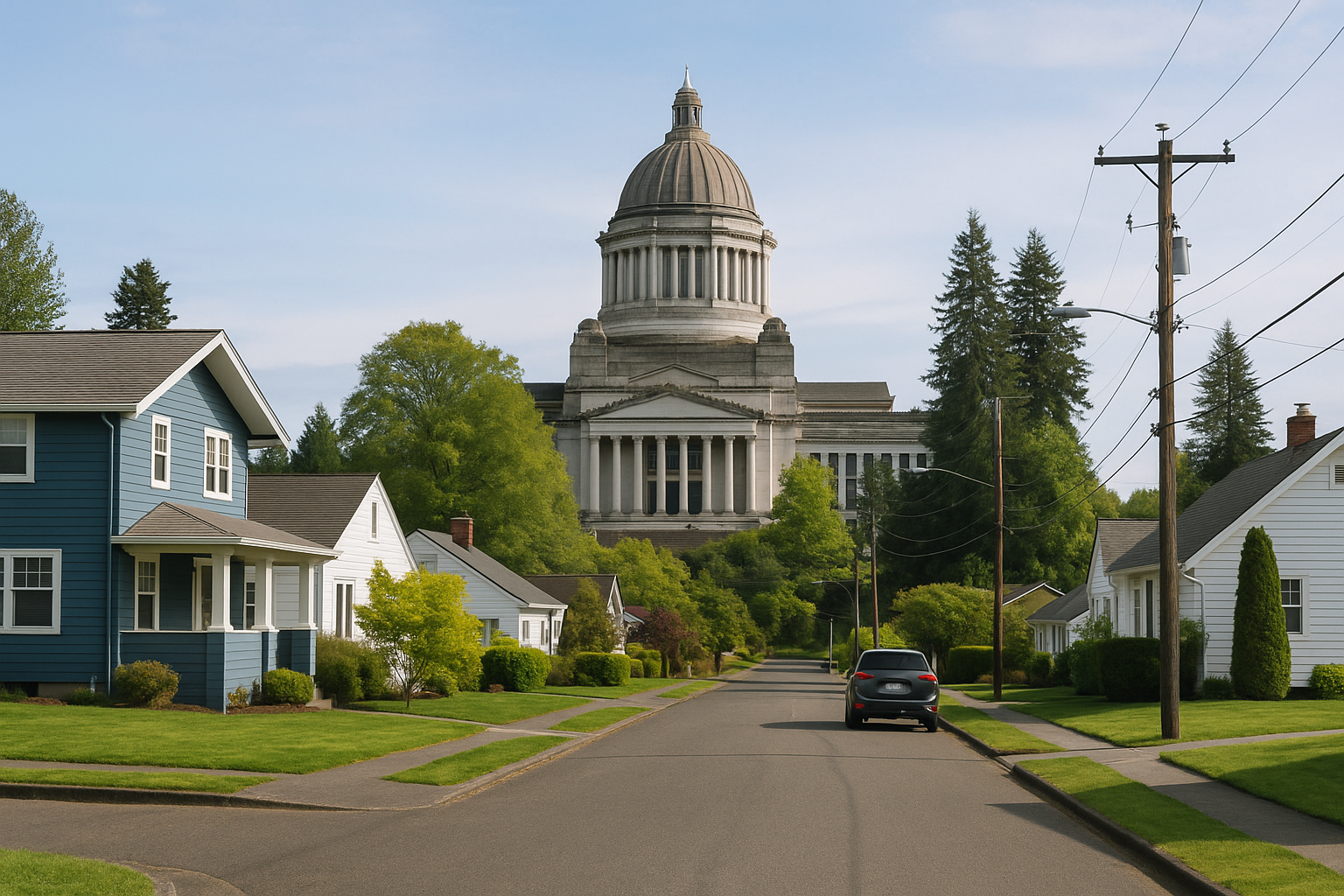
Understanding Safety in Washington's Cities
When considering a move or simply visiting Washington state, safety often tops the list of concerns for many individuals and families. Known for its beautiful landscapes, vibrant cities, and thriving communities, Washington is a state where residents and visitors alike seek a safe and secure environment. But what do we mean by safe, and how can we determine which cities in Washington are considered safe?
Let’s delve into what makes a city in Washington safe, and explore how certain metrics and community efforts contribute to an overall feeling of security, ensuring you have the peace of mind needed to enjoy what the state has to offer.
Defining Safety: Beyond Crime Rates
While crime rates are a significant factor in assessing a city's safety, they are not the only measure. Safety encompasses a variety of aspects including well-maintained infrastructure, effective community services, access to healthcare and education, and emergency preparedness.
For instance, a city with low crime rates might still feel unsafe if the street lighting is poor or if it's prone to natural disasters without adequate emergency response systems. Therefore, it's essential to look at safety holistically to understand a city's true standing.
Key Metrics for Evaluating Safety
To comprehensively evaluate the safety of a city, you might consider the following metrics:
- Crime Rates: This includes violent crimes, property crimes, and trends over time. The FBI and local law enforcement agencies provide annual crime statistics that can be a valuable resource.
- Emergency Services: The availability and efficiency of police, fire, and medical services significantly impact a city's safety score.
- Infrastructure: Safe roads, well-maintained public spaces, and effective transit systems contribute to reduced accident rates and increased personal safety.
- Community Programs: Programs that enhance neighborhood watch, youth engagement, and community involvement tend to foster safer environments.
- Environmental Safety: Consideration of natural disaster risks, such as earthquakes or floods, and the city’s preparedness to handle them.
Safe Cities in Washington State: Real-World Examples
Based on the latest data available from 2026, several cities in Washington have been consistently ranked as safe, owing to their exemplary public services, community engagement, and proactive policies:
- Bellevue: Known for its burgeoning tech industry and proximity to Seattle, Bellevue boasts low crime rates coupled with high education standards and a well-equipped police department. Regular community events and a strong emphasis on neighborhood programs enhance its reputation as a safe city. Learn more about Bellevue's safety measures.
- Sammamish: This suburban city is frequently highlighted for its high-quality schools and significant investments in community safety programs. Extensive parklands and community policing initiatives support its standing as one of Washington's safest cities.
- Issaquah: Capitalizing on its idyllic setting near the Cascade Mountains, Issaquah combines natural beauty with safety through active community associations and voluntary vigilance programs that decrease crime and increase safety awareness.
How Local Initiatives Contribute to Safety
A city’s safety often results from concerted efforts by local administrations and civic groups. Here are some ways how Washington’s cities maintain their safety reputation:
- Community Policing: Building trust between police and the residents they serve fosters cooperation and reduces crime rates. Many cities have adopted community policing strategies that prioritize engagement and transparency.
- Technological Integration: Smart city technologies, including surveillance cameras in public areas and real-time crime mapping, aid in proactive law enforcement and enhance public safety.
- Emergency Preparedness Drills: Regular drills and comprehensive disaster response plans ensure that cities are well-prepared for unexpected events, thereby providing an added sense of security to residents.
Cultural and Recreational Safety Features
Moreover, safety in a cultural sense involves ensuring citizens feel included and have access to safe recreational activities. Cities with abundant parks, trails, and recreational facilities tend to report higher personal safety scores. Parks and Recreation Departments often work to provide safe, inclusive environments for play and relaxation.
For example, Bellevue’s Parks and Community Services are dedicated to maintaining an extensive network of parks that prioritize safety through regular maintenance and security oversight.
Choosing the Right City for You
When considering moving to Washington or visiting for an extended period, selecting a city where you feel safe is important for your overall well-being. Research the available data, visit community forums, and, if possible, connect with current residents to gather qualitative insights into the city's atmosphere.
Ultimately, feeling safe is subjective and varies from person to person. Thus, while statistics and data provide a foundation, personal comfort and the intangible aspects of safety — a community's shared values, sense of unity, and mutual support — are equally crucial in determining where you might feel most at home.
Conclusion
Safety is a multifaceted aspect of city living that encompasses crime rates, community services, and individual perceptions. In Washington, many cities excel in creating environments where residents can thrive securely. By evaluating the different dimensions of safety, you can make informed decisions about where to live or visit in this diverse and vibrant state.