Discovering the Most Durable Types of Flooring for Your Home
So, what is the most durable type of flooring for your home? The best choice often depends on your lifestyle, from busy family foot traffic to the claws of a beloved pet.
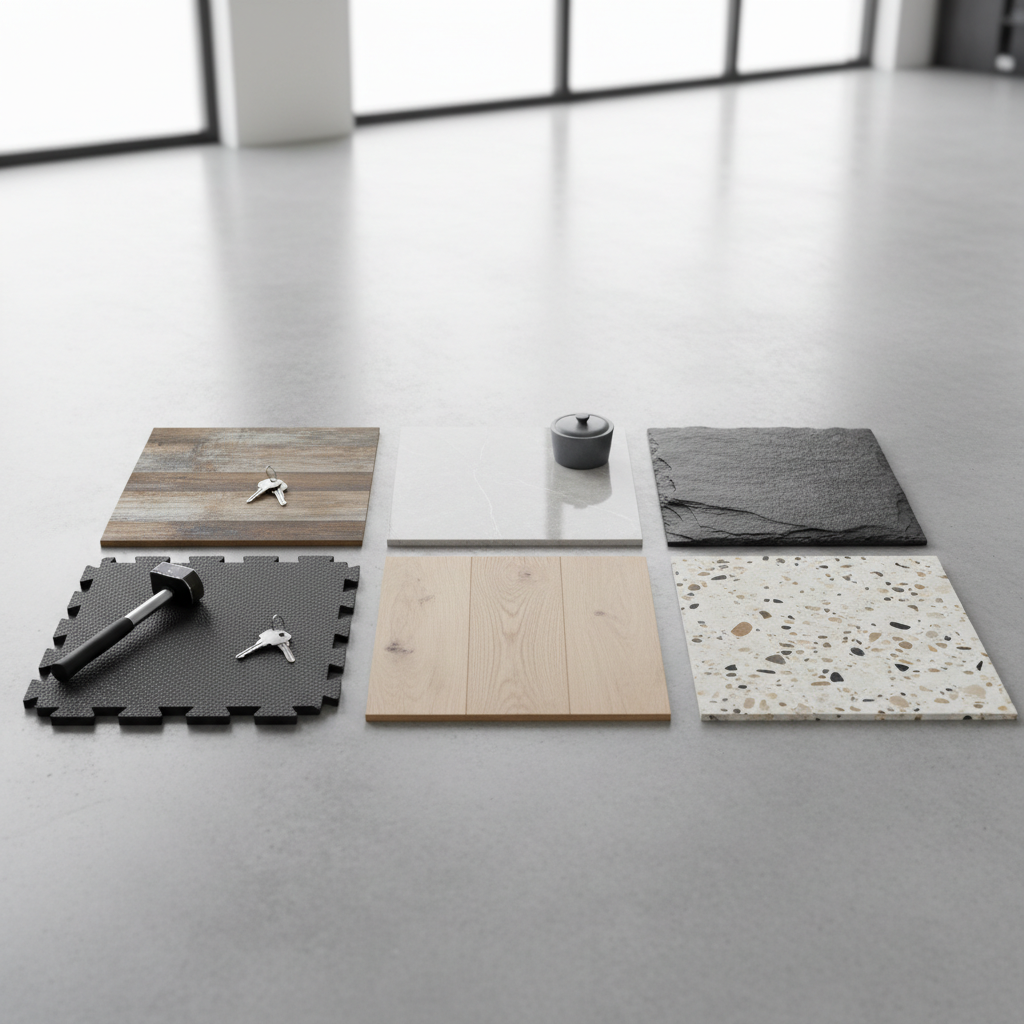
What Is The Most Durable Type Of Flooring?
The Strongest Contenders for Most Durable Flooring
When it comes to selecting a floor that will stand the test of time, durability is often the number one priority. Homeowners want a surface that can handle heavy foot traffic, resist scratches from pets, withstand spills, and look great for years to come. While no single flooring type is perfect for every situation, several materials consistently rank at the top for their incredible strength and longevity. Here’s a breakdown of the most durable options available today.
Porcelain and Ceramic Tile
Often seen as the gold standard for durability, porcelain and ceramic tiles are exceptionally tough. Made from natural clay fired at extremely high temperatures, porcelain, in particular, becomes incredibly dense, hard, and non-porous. This manufacturing process makes it highly resistant to scratches, stains, and moisture. Its durability is often measured using the Porcelain Enamel Institute (PEI) rating, which grades tiles on a scale of 1 to 5 based on their hardness and suitability for different levels of foot traffic. For most homes, a PEI rating of 3 is sufficient, while a rating of 4 or 5 is ideal for heavy residential or light commercial use.
Thanks to this resilience, tile is a fantastic choice for the most demanding areas of a home, such as kitchens, bathrooms, entryways, and laundry rooms. It won’t warp or sustain damage from water, making it perfect for wet environments. Maintenance is also straightforward, typically requiring just regular sweeping and mopping. The one potential vulnerability of a tile floor is the grout lines, which can stain or degrade over time. However, using a high-quality epoxy grout and applying a sealant can significantly minimize this issue, ensuring the floor remains beautiful and robust for decades.
Natural Stone
Carved directly from the earth, natural stone flooring brings a unique, timeless beauty and inherent toughness into any home. Materials like granite, slate, and travertine are known for their exceptional hardness and ability to withstand immense wear and tear. Granite, an igneous rock, is one of the hardest options available and is nearly impervious to scratches. Slate is another durable choice, known for its layered appearance and natural resistance to slips, making it a great option for entryways and kitchens.
While incredibly strong, natural stone is not entirely invincible. Because it is rigid, a very heavy object dropped from a height could potentially crack or chip the stone. Furthermore, many types of stone are porous to some degree, meaning they can absorb liquids and stain if not properly sealed. It is crucial to apply a quality sealant upon installation and reapply it periodically (typically every few years, depending on the stone and traffic) to protect its surface. With this simple maintenance, a natural stone floor can easily last the lifetime of a home.
Concrete
Once relegated to basements and garages, concrete has emerged as a chic, industrial, and astonishingly durable flooring choice for modern interiors. When properly sealed or polished, concrete is one of the toughest and most resilient surfaces you can install. It is incredibly difficult to scratch, dent, or damage, making it ideal for homes with large pets, active children, and very high foot traffic. It can easily handle dropped pots, dragged furniture, and almost any other challenge you can throw at it.
The versatility of concrete is another major advantage. It is no longer just a drab grey slab; it can be stained, polished, or stamped to mimic the look of high-end stone or tile. A polished finish gives it a glossy, reflective surface, while staining can introduce rich colors and patterns. The key to its longevity and performance is the sealant. A good sealer protects the concrete from moisture absorption and staining, which is essential for use in kitchens or bathrooms. While it is extremely hard and can feel cold underfoot, its unparalleled durability makes it a "set it and forget it" option for many homeowners.
Luxury Vinyl Tile (LVT/LVP)
Modern luxury vinyl flooring, available in tile (LVT) and plank (LVP) formats, is an engineering marvel that offers a superb combination of durability, comfort, and aesthetic appeal. It is constructed in multiple layers, with the most important for durability being the top "wear layer." This transparent coating protects the printed design layer from scratches, scuffs, and stains. The thicker the wear layer (measured in mils), the more durable the floor will be. High-quality residential LVT often has a wear layer of 12 to 20 mils or more.
Luxury vinyl is a top choice for busy households with pets and kids because it is not only scratch-resistant but also 100% waterproof. This makes it suitable for installation in any room, including basements and bathrooms, without fear of water damage. Unlike tile or stone, LVT has a slight "give" to it, making it more comfortable to stand on for long periods and more forgiving when objects are dropped. While it can be gouged by extremely sharp objects or damaged by dragging very heavy, sharp-edged furniture, its day-to-day performance is outstanding for the price.
Hardwood (Species Specific)
The durability of traditional hardwood flooring depends almost entirely on the species of wood you choose. The hardness of wood is measured by the Janka Hardness Scale, which tests the force required to embed a small steel ball into the wood. Softer woods like pine or fir will dent and scratch easily, while extremely hard exotic species like Brazilian Walnut (Ipe) or Cumaru are exceptionally resistant to damage and can rival the durability of many other flooring types.
Domestic hardwoods like Hickory and Hard Maple also offer excellent durability for residential settings. One of the greatest advantages of solid hardwood is its ability to be sanded and refinished multiple times. This means that even if the surface accumulates scratches and wear over a decade or two, it can be restored to look brand new, effectively extending its lifespan for generations. However, its primary weakness is its susceptibility to water damage, which can cause warping and swelling, making it unsuitable for bathrooms or flood-prone basements.
Understanding the Factors That Define Flooring Durability
When you see the word "durable," it can mean different things to different people. For a flooring material to be truly long-lasting, it needs to perform well across several key categories. Understanding these factors will help you choose the right material for your specific needs and lifestyle.
Hardness and Scratch Resistance
This is often the first thing people think of. Scratch resistance refers to a floor's ability to withstand scraping and abrasion from things like pet claws, dragged furniture, and dirt or grit tracked in on shoes. For tile, this is measured by the PEI rating, with higher numbers indicating better resistance to scratching and wear. For wood, the Janka Hardness Scale is the standard. A Brazilian Walnut with a Janka rating over 3,500 is vastly more resistant to dents than a Douglas Fir with a rating of 660.
Water and Moisture Resistance
A floor’s ability to handle water is critical, especially in kitchens, bathrooms, and basements. Materials are generally categorized as waterproof or water-resistant. Waterproof flooring, like porcelain tile, luxury vinyl, and sealed concrete, can be fully submerged in water for an extended period without being damaged. Water-resistant flooring, like some types of laminate or top-coated hardwood, can repel spills for a short time but will eventually sustain damage if moisture is allowed to penetrate the core or seams.
Impact and Dent Resistance
This measures how well a floor holds up to the force of a dropped object, like a heavy pan in the kitchen or a toy in the playroom. Hard, brittle materials like ceramic tile are excellent at resisting dents but can crack or chip under a sharp impact. More resilient materials like LVT or rubber might dent but are less likely to crack. Extremely hard woods and concrete offer fantastic resistance to both dents and general impact.
Common Questions About Durable Flooring
Choosing a durable floor involves more than just picking the hardest material. Homeowners often have practical questions related to their specific living situations.
What is the most durable flooring for homes with dogs?
Homes with dogs present a unique set of challenges for floors, including scratching from claws, potential accidents leading to stains, and the general wear and tear from active pets. For these reasons, luxury vinyl tile (LVT) or plank (LVP) is often considered the best all-around choice. Its strong wear layer effectively resists scratches, its surface is 100% waterproof and easy to clean, and it offers more comfort and traction for pets' paws compared to very slick surfaces.
Porcelain tile is another top-tier option. It is virtually scratch-proof and completely waterproof, making it impervious to both claws and accidents. The only consideration is that it can be slippery for some dogs and is a harder, colder surface. Sealed concrete also performs exceptionally well against scratches and is easy to clean, making it a great modern choice for pet owners who like the industrial aesthetic.
Is durable flooring always more expensive?
There is a general correlation between price and durability, but it's not a strict rule. High-end materials like natural stone and exotic hardwoods command a premium price for both the material and the specialized installation they require. While their upfront cost is high, their incredible lifespan can make them a worthwhile long-term investment, as you may never need to replace them.
However, there are many incredibly durable options that offer excellent value. For instance, luxury vinyl and laminate flooring have made huge technological strides and now provide fantastic scratch and water resistance at a fraction of the cost of hardwood or stone. Concrete can also be a cost-effective option if the home is built on a slab foundation that can be polished and sealed, eliminating the need to install a separate flooring material on top of it.
How does maintenance affect the lifespan of a floor?
Proper maintenance is essential to preserving the durability and appearance of any floor, no matter how tough it is. In fact, neglect is one of the fastest ways to degrade a high-quality material. For example, failing to sweep or vacuum regularly allows abrasive dirt and grit to act like sandpaper, scratching the finish of hardwood, LVT, or even tile over time.
Specific maintenance tasks are also crucial. Natural stone and grout lines need to be resealed periodically to prevent staining and moisture penetration. Hardwood floors may need a new coat of finish every 5-10 years to protect the wood and can be completely refinished to erase deep scratches. Even waterproof LVT can be damaged by using harsh chemical cleaners that degrade the protective wear layer. Following the manufacturer’s care guidelines is the best way to ensure your durable floor lasts as long as it's designed to.
Conclusion
Ultimately, the "most durable" type of flooring is the one that best matches the specific demands of your space and lifestyle. For areas requiring ultimate toughness against water and scratches, such as bathrooms and busy entryways, porcelain tile and sealed concrete are nearly unbeatable. For a blend of all-around resilience, comfort, and waterproofing that suits almost any room, luxury vinyl is an outstanding modern choice. And for those who love the timeless appeal of wood, choosing a hard species on the Janka scale ensures classic beauty that can be refinished for generations of enjoyment. By weighing the factors of hardness, water resistance, and maintenance, you can find a floor that is built to last.
Additional Resources:
- Understanding the PEI Rating for Tile - Floor & Decor
- The Janka Hardness Scale - The Wood Database