Discovering the Pros and Cons: Is Texas the Right State for You?
Considering a move, but wondering, Is Texas a good place to live? Dive into this exploration to uncover Texas's unique blend of culture, opportunity, and climate. Discover why this vast state attracts so many newcomers each year.
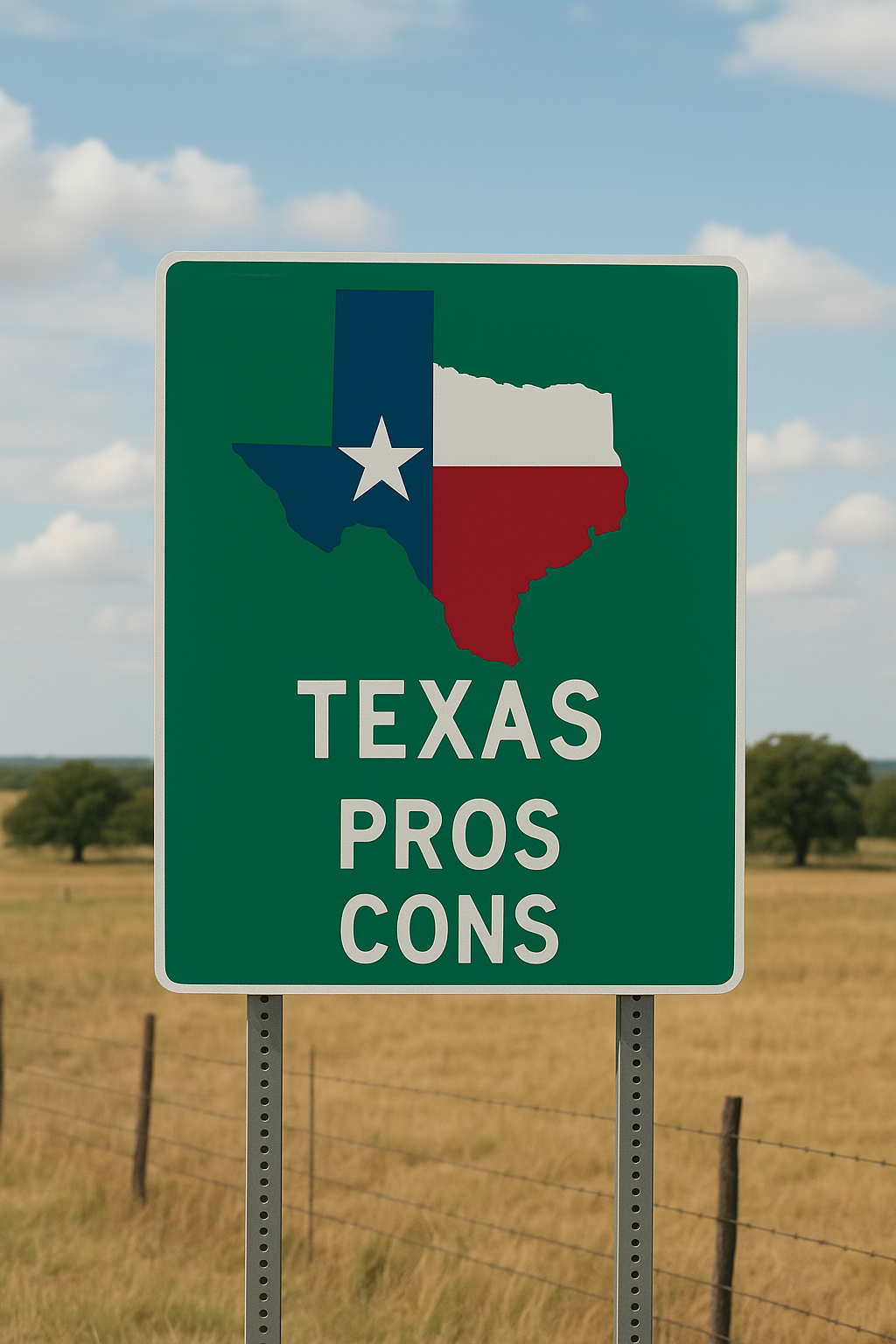
Overview of Living in Texas
Texas is the second-largest state in the United States, both in terms of land area and population. Known for its diverse landscape and culture, Texas offers a unique blend of southern hospitality, vibrant cities, and vast rural areas. But is Texas truly a good place to live? This article aims to answer some of the common questions potential residents might have.
Cost of Living
Compared to other states, Texas has a relatively low cost of living. One of the significant advantages is the absence of state income tax, which can be highly beneficial for individuals and families looking to maximize their income. According to 2026 data, the cost of housing in Texas is about 15% below the national average, making it an attractive option for homebuyers. Groceries, transportation, and healthcare also tend to be more affordable.
For detailed cost comparisons, the Council for Community and Economic Research provides a database with updated figures each year. In 2026, cities like San Antonio and El Paso are ranked among the most affordable urban areas in the U.S.
Employment Opportunities
With its robust economy, Texas offers numerous employment opportunities across various industries. The state has a thriving energy sector—particularly oil and gas—but recent years have seen significant growth in technology, healthcare, and finance sectors. As of 2026, Texas boasts an unemployment rate well below the national average at 3.5%, according to the U.S. Bureau of Labor Statistics.
Austin, the state capital, is often dubbed 'Silicon Hills' due to its burgeoning tech industry, with major companies like Dell, IBM, and Apple maintaining a significant presence there.
Quality of Education
Education in Texas is highly esteemed, with several noteworthy institutions contributing to a strong educational system. Public school performance varies across the state, yet cities like Plano and Frisco are known for their exceptional K-12 education systems. The Texas Education Agency provides a thorough assessment of public school performance metrics annually.
Higher education is well-represented with prestigious universities such as the University of Texas at Austin and Texas A&M University, which consistently rank high in national rankings.
Climate and Geography
Texas is known for its extreme weather conditions due to its vast size and varied geography. The state experiences a wide range of climates, from arid deserts in the west to humid forests in the east. This diversity allows residents to choose an environment that suits their preferences, but it also means dealing with potential natural disasters like hurricanes in coastal regions or tornadoes in the plains.
In 2026, Texans are increasingly conscious of climate change impacts and are investing in infrastructure to mitigate risks, exemplified by initiatives like the Harris County Flood Control District's ongoing projects.
Cultural and Recreational Opportunities
Texas has a rich and diverse cultural fabric, reflected in its historical sites, festivals, music, and cuisine. From the live music scene in Austin to the rodeos of Fort Worth, the state offers a plethora of experiences for all tastes.
Outdoor enthusiasts will find much to love in Texas, with national parks like Big Bend and Guadalupe Mountains providing ample opportunities for hiking, camping, and exploration.
- Visit the Alamo in San Antonio for a historical experience.
- Explore the art districts of Dallas and Houston.
- Enjoy the majestic beaches of South Padre Island.
Community and Lifestyle
The lifestyle in Texas can be as varied as its geography. Urban areas offer a fast-paced environment with numerous amenities, while rural areas provide a slower, more relaxed pace of life. The state is known for its friendly and welcoming populace, embodying the famous southern hospitality.
Texans tend to be community-oriented, with numerous festivals, state fairs, and community events fostering a strong sense of belonging and regional pride.
Conclusion: Is Texas a Good Place to Live?
Ultimately, the decision to move to Texas depends on individual preferences and priorities. With its affordable cost of living, ample job opportunities, excellent education options, and diverse cultural experiences, Texas presents a compelling case for many. However, potential drawbacks such as extreme weather conditions and a sprawling urban environment might not suit everyone. By considering all these factors, future residents can make an informed decision about whether the Lone Star State is the right fit for them.