Drain Cleaners Compared: Insights to Make the Best Choice
When you're faced with a stubborn clog, grabbing just any drain cleaner off the shelf can be a gamble. To help you choose the right one, we're breaking down the key differences between the major types, from powerful caustic formulas to gentler enzymatic solutions.
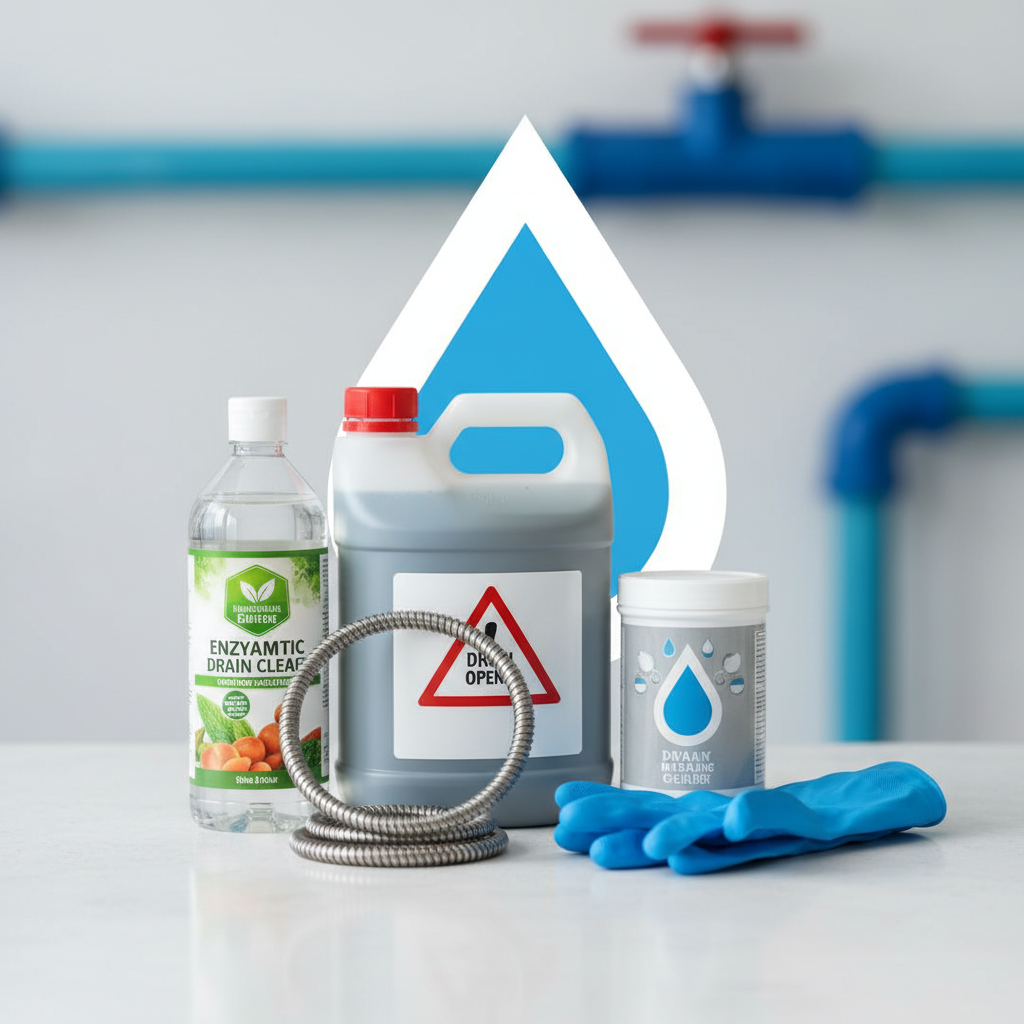
Understanding the Main Types of Drain Cleaners
When you're faced with a slow-moving or completely blocked drain, reaching for a chemical cleaner is a common first step. However, not all drain cleaners are created equal. The "best" one depends entirely on the type of clog you have, the kind of pipes in your home, and your comfort level with handling potent chemicals. Understanding the primary categories of drain cleaners is the first step toward making an effective and safe choice.
The three main types are enzymatic, caustic, and acidic. Each uses a fundamentally different mechanism to break down blockages. Enzymatic cleaners are biological, using bacteria to eat away at organic matter. Caustic cleaners are alkaline, using a powerful chemical reaction to dissolve grease and soap. Acidic cleaners are the most aggressive, using strong acids to melt through the toughest clogs. We'll explore each type in detail to help you identify the right solution for your specific problem.
Enzymatic Drain Cleaners (The Biological Approach)
Enzymatic drain cleaners are the safest and most environmentally friendly option available. Instead of harsh chemicals, they contain strains of bacteria and concentrated enzymes that feed on organic waste. When you pour an enzymatic cleaner down the drain, the bacteria colonize the inside of your pipes and begin to digest materials like hair, grease, food particles, and soap scum. This process is much slower than chemical reactions, often requiring several hours or even overnight to show results. Because of this, they are better suited for slow drains and regular maintenance rather than complete blockages that need immediate attention.
The primary benefit of enzymatic cleaners is their safety. They are non-corrosive and will not damage any type of plumbing, including older metal pipes or modern PVC. They are also safe for septic systems; in fact, they can even help maintain a healthy balance of bacteria within the tank. If you have a recurring issue with a slow kitchen sink due to grease buildup or a shower drain that frequently clogs with hair and soap, using an enzymatic cleaner on a monthly basis can prevent major blockages from ever forming. They are the ideal choice for preventative care and for households with children or pets where storing harsh chemicals is a concern.
Caustic Drain Cleaners (The Chemical Powerhouse)
Caustic drain cleaners are what most people picture when they think of a standard, over-the-counter drain opener. These products are alkaline-based and typically use sodium hydroxide (lye) or potassium hydroxide as their active ingredient. When a caustic substance comes into contact with a clog, it triggers a chemical reaction that generates a significant amount of heat. This reaction effectively transforms grease and soap scum into a soft, soap-like substance that can be easily washed away with water. Their chemical makeup also allows them to break down the proteins in hair, making them a versatile solution for both kitchen and bathroom sinks.
While highly effective for tough clogs, caustic cleaners must be handled with extreme care. They are corrosive and can cause severe burns if they come into contact with skin or eyes. Proper protective gear, including gloves and safety glasses, is essential. Furthermore, they can be damaging to certain types of pipes, particularly older, corroded metal or certain plastics. It's crucial to read the product label to ensure it is safe for your plumbing system. Never mix a caustic cleaner with any other chemical, especially an acid-based one, as this can create a violent and dangerous reaction.
Acidic Drain Cleaners (The Professional's Choice)
Acidic drain cleaners are the most powerful and fastest-acting option on the market. Their primary active ingredient is usually a high concentration of sulfuric acid or hydrochloric acid. These potent acids create an intense hydronium ion reaction that rapidly dissolves everything from heavy grease and matted hair to paper products and other tough organic materials. Due to their sheer power, they can often clear a completely blocked drain in minutes. However, this power comes with significant risk.
These cleaners are extremely hazardous and are typically sold only to licensed plumbers and professionals. The acid can cause instantaneous, severe burns to the skin and can produce toxic fumes that are dangerous to inhale. More importantly, it can quickly corrode or destroy many types of pipes, including stainless steel, galvanized steel, and PVC, if not used correctly. Pouring an acidic cleaner into a drain that already contains a caustic cleaner can cause a small explosion of boiling, corrosive liquid. For these reasons, acidic drain cleaners should be considered a last resort and should almost always be handled by a professional.
Drain Cleaner Comparison: Which One is Right for You?
Choosing the right drain cleaner is a balancing act between effectiveness, safety, and the specific nature of your clog. This table provides a quick overview to help you compare the different types at a glance.
| Feature | Enzymatic Cleaners | Caustic Cleaners | Acidic Cleaners |
|---|---|---|---|
| Best For | Slow drains, organic clogs (grease, food), regular maintenance. | Tough clogs, heavy grease, soap scum, hair. | Complete blockages, paper, extremely stubborn organic matter. |
| Speed of Action | Slow (several hours to overnight). | Moderate to Fast (15-60 minutes). | Very Fast (minutes). |
| Safety Level | Very High (non-toxic, non-corrosive). | Low (Corrosive, can cause severe burns. Requires protective gear). | Extremely Low (Highly corrosive, toxic fumes. Professional use recommended). |
| Pipe Compatibility | Safe for all pipe types and septic systems. | Generally safe for PVC and copper, but can damage older metal pipes. Check label. | Can damage most pipe types, including PVC and metal. Use with extreme caution. |
| Environmental Impact | Low (biodegradable). | High (harsh chemicals that can harm aquatic life). | Very High (extremely hazardous material). |
The Science Behind a Clogged Drain
To effectively treat a clog, it helps to understand how it formed in the first place. Most household clogs are not sudden events but rather the result of gradual accumulation over weeks or months. The main culprits are a combination of materials that bind together inside the pipes, slowly narrowing the passageway until water can no longer flow freely.
In kitchens, the primary villain is FOG—Fats, Oils, and Grease. When you pour warm grease or oil down the sink, it flows easily. However, as it cools further down the line, it solidifies and clings to the inside of the pipes. Over time, tiny food particles get trapped in this sticky residue, creating a dense, stubborn blockage. In bathrooms, the problem is usually a combination of hair and soap scum. Hair acts as a net, catching soap residue, skin cells, and other debris. This mixture creates a fibrous, water-resistant mass that can be very difficult to dissolve without the right approach. Understanding this composition is key to selecting a cleaner designed to tackle that specific type of material.
Important Questions to Ask Before Using a Drain Cleaner
Can I Use a Drain Cleaner on Any Type of Pipe?
This is one of the most critical questions to answer before pouring anything down your drain. The answer is a definitive no. The material of your pipes plays a huge role in which cleaners are safe to use. Modern homes typically have PVC (a durable white plastic) or copper pipes, which are generally resistant to the chemicals found in common caustic cleaners. However, older homes may have galvanized steel or cast-iron pipes, which are far more susceptible to corrosion from both caustic and acidic chemicals. Using the wrong cleaner can eat away at the metal, creating weak spots or even causing a leak.
Acidic cleaners are particularly destructive and should never be used on metal plumbing systems unless specifically directed by a professional. Even PVC pipes, while resilient, can be damaged by the intense heat generated by certain chemical reactions or by prolonged exposure to undiluted acid. The safest bet for any pipe system, especially if you are unsure of its material or age, is an enzymatic cleaner. Always read the product's label carefully, as manufacturers will list which types of pipes their product is safe for.
Are Natural or DIY Drain Cleaner Alternatives Effective?
Many people prefer to avoid harsh chemicals and opt for DIY solutions. The most popular of these is the combination of baking soda and vinegar. The idea is that the fizzing reaction created when they mix will physically dislodge the clog. While this bubbling action can help loosen minor buildup, it is rarely powerful enough to clear a significant blockage. The chemical reaction produces mostly carbon dioxide and water, which lack the power to dissolve grease or hair effectively.
Another common alternative is boiling water. This can be somewhat effective on grease-based clogs in metal pipes, as the heat can melt the solidified fats. However, you should never pour boiling water down a PVC pipe, as the high temperature can soften the plastic and damage the pipe joints and seals. A more effective non-chemical alternative is a mechanical tool like a drain snake or a zip-it tool. These simple, inexpensive devices can physically pull out hair and other debris, offering an immediate solution without any risk to your pipes.
When Should You Call a Professional Plumber?
While drain cleaners can handle many common clogs, some situations are beyond a DIY fix. It's important to recognize when to stop and call a professional to avoid making the problem worse. If you have a recurring clog that keeps coming back no matter what you do, it could be a sign of a deeper issue within your plumbing system that chemical cleaners can't reach. Another major red flag is when multiple drains in your home (e.g., a toilet and a shower) are backing up at the same time. This usually indicates a blockage in your main sewer line, a serious problem that requires professional equipment to clear.
You should also call a plumber if you've tried a chemical cleaner and it has failed to clear a complete blockage. Pouring more chemicals into a standing pool of water is dangerous and can make the plumber's job more hazardous. Finally, if you suspect the clog is caused by a foreign object (like a child's toy) or you hear gurgling sounds from drains when they aren't in use, it's best to get a professional diagnosis. A licensed plumber has the tools and expertise to safely and effectively resolve the issue without risking damage to your home's plumbing.
Making the Right Choice for Your Drains
Ultimately, the "best" drain cleaner is the one that is most appropriate for your specific situation. There is no single product that works perfectly for every clog. For routine maintenance and slow drains caused by organic buildup, an enzymatic cleaner is the safest and smartest choice. For a more stubborn clog of grease or hair in a home with modern plumbing, a caustic cleaner can provide a quick and effective solution, provided you follow all safety precautions.
Acidic cleaners should be left to the professionals, as the risk of personal injury and pipe damage is simply too high for typical household use. Before reaching for any chemical solution, consider whether a simple mechanical tool might do the job. And when in doubt, especially with recurring or widespread issues, calling a licensed plumber is always the safest and most reliable course of action.