Early Roofing Issues That Can Easily Escalate Into Costly Repairs
Most homeowners don't realize that a major roof failure often starts with a small, seemingly harmless issue. That subtle discoloration on your shingles, a few granules in the downspout, or a small crack in a vent seal can be the first signs of expensive water damage waiting to happen.
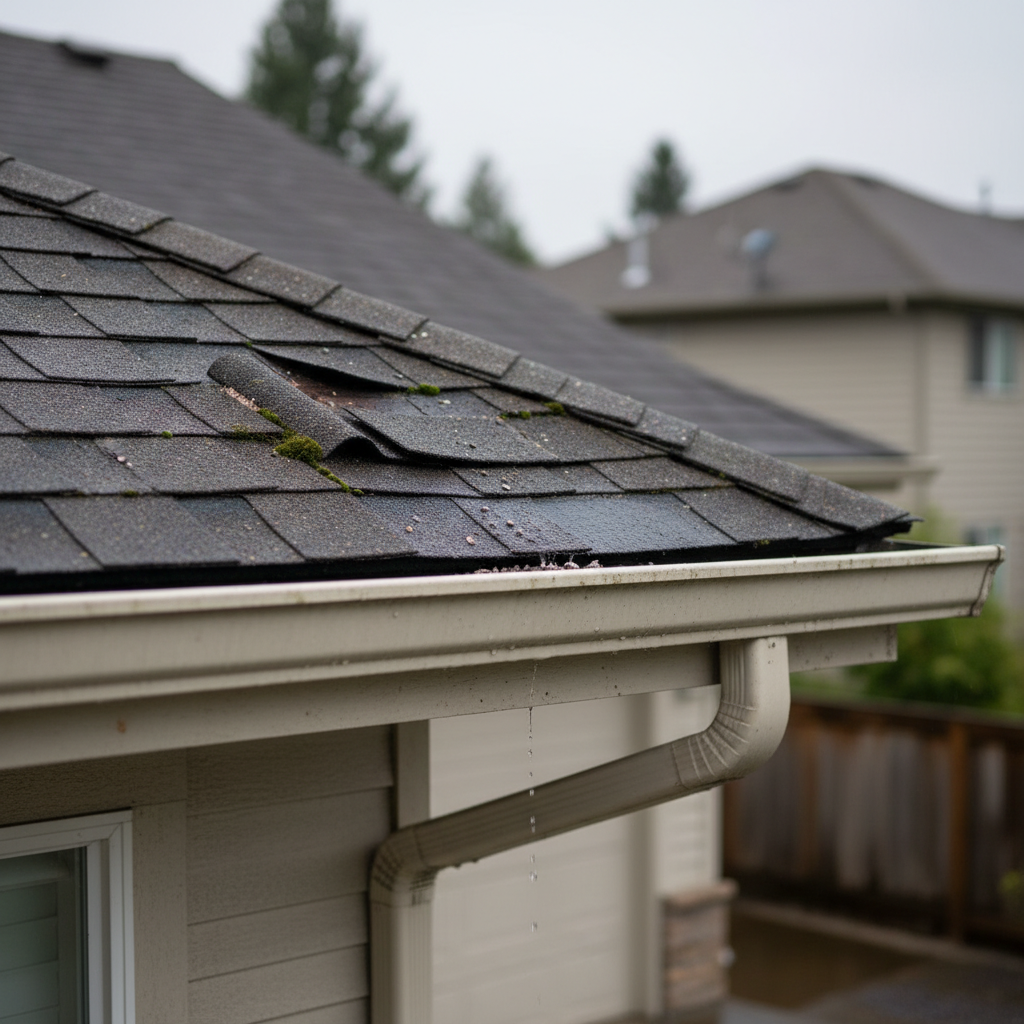
8 Subtle Roof Problems You Can't Afford to Ignore
Your roof is your home's first line of defense against the elements. While major damage from a storm is obvious, many serious roofing problems start as small, almost unnoticeable issues. Catching these early signs can save you from catastrophic damage, expensive repairs, and significant stress down the line. Here are some of the most common early roofing issues that can escalate into major problems.
1. Curling, Clawing, or Buckling Shingles
When you look at your roof, the shingles should lie perfectly flat. If you notice the edges starting to curl upwards or the middle of the shingles starting to pop up (buckling), it's a clear signal of trouble. Curling is often a sign of aging, as the shingles have reached the end of their lifespan and are beginning to fail. It can also be caused by improper installation or a lack of ventilation in the attic, which traps super-heated air that essentially "cooks" the shingles from below.
Ignoring this problem is a mistake. Curled and buckled shingles are highly susceptible to being torn off by wind and are no longer effective at shedding water. Water can easily get underneath them, leading to rot in the roof decking, leaks in your attic, and the growth of mold. What starts as a cosmetic issue quickly becomes a pathway for water to invade your home's structure.
2. Cracked or Missing Shingles
A few cracked or missing shingles might not seem like a big deal, especially if they aren't in a highly visible area. However, each shingle is part of an interconnected water-shedding system. A single missing shingle is like a missing tooth in that defense, creating a direct entry point for rain and snow. Cracks are often caused by wind damage or the simple impact of falling debris, while missing shingles are typically the result of high winds catching a loose shingle.
This vulnerability exposes the underlayment and roof deck to direct sunlight and moisture. The UV rays can degrade the underlayment, and water will begin to seep into the wood sheathing. This can lead to wood rot, which weakens the entire roof structure. A small, inexpensive repair of one shingle can prevent a massive, costly project involving replacing sections of your roof deck.
3. Excessive Granules in the Gutters
Asphalt shingles are covered in a layer of crushed stone granules. These granules serve a critical purpose: they protect the asphalt core from the sun's damaging UV rays and add a layer of fire resistance. It's normal for a brand-new roof to shed some "loose" granules, but if you consistently find large amounts of them in your gutters or at the bottom of your downspouts on an older roof, it's a major red flag.
This "balding" of your shingles means they are rapidly approaching the end of their effective life. Without the protective granules, the asphalt is exposed to the elements, causing it to become brittle and crack much more quickly. Your roof becomes significantly more vulnerable to hail and heat damage, accelerating its overall decay and increasing the likelihood of leaks.
4. Damaged or Deteriorating Flashing
Flashing is the thin material, usually made of metal, installed around any penetration in your roof—such as chimneys, vents, and skylights—and in valleys where two roof planes meet. Its job is to create a watertight seal in these vulnerable areas. If this flashing is cracked, bent, rusted, or the sealant around it has dried out and pulled away, you have a serious problem brewing.
Failed flashing is one of the most common sources of roof leaks. Because these areas are designed to channel large volumes of water, even a small breach can allow significant water intrusion. This often leads to hidden damage within your walls or attic, promoting wood rot and mold growth long before you see a stain on your ceiling.
5. Moss, Algae, or Mold Growth
While a bit of green might seem like a harmless aesthetic issue, extensive moss or algae growth on your roof is a sign of a moisture problem. Moss thrives in damp, shaded environments and can be particularly destructive. It acts like a sponge, trapping water against the shingle surface. In winter, this trapped water can freeze and expand, pushing up the edges of the shingles and creating cracks.
Algae, often seen as dark black streaks (Gloeocapsa magma), is less structurally damaging but can still diminish your roof's ability to reflect heat, leading to higher energy bills. More importantly, any significant biological growth indicates that your roof isn't drying properly, which is a precursor to the decay of the underlying materials.
6. Clogged or Improperly Draining Gutters
Gutters are an integral part of your roofing system. Their job is to collect rainwater and channel it safely away from your home's foundation. When gutters become clogged with leaves, twigs, and other debris, they can't do their job. Water will back up and overflow, running down your siding and pooling around your foundation.
More critically for the roof, this backed-up water can seep under the edge of your shingles, rotting the fascia boards (the boards behind the gutters) and the roof decking. In colder climates, this can lead to the formation of ice dams in the winter, a highly destructive phenomenon where melted snow refreezes at the eaves, forcing water back up under the shingles and into your home.
7. Popped or Rusted Nails
Roofing nails that have "popped" up slightly through a shingle can be hard to spot but are a direct pathway for water. This often happens when the roof decking expands and contracts with temperature changes, gradually pushing the nail out. Rusted nails or rust stains around the nail heads are also a sign of long-term moisture exposure.
Each popped nail head creates a tiny hole. While one hole might not cause an immediate flood, dozens of them across your roof can allow a slow, steady trickle of water to seep into the underlayment and decking. This type of slow leak is particularly insidious because it can cause extensive rot and mold growth over years before it becomes visible inside your home.
8. Minor Sagging or "Spongy" Spots
If you ever walk on your roof and notice it feels soft or spongy underfoot, or if you can see a visible sag or dip from the ground, this is not an early warning—it's a sign that a major problem has already taken hold. Sagging is almost always caused by a structural issue, typically moisture that has completely rotted the underlying roof decking or, in severe cases, the rafters themselves.
A sagging roof is a sign of a compromised structure. It indicates that the framework holding up your roof is weakened and failing. This is a significant safety hazard and requires immediate professional attention. Ignoring it can lead to a partial or even total roof collapse, especially under the weight of heavy snow or during a storm.