Effective and Evidence-Based Treatments for Managing High Blood Pressure
If you're looking for the best ways to manage high blood pressure, you've come to the right place. Understanding your options is the first step, and it generally comes down to two main paths: lifestyle adjustments and medication.
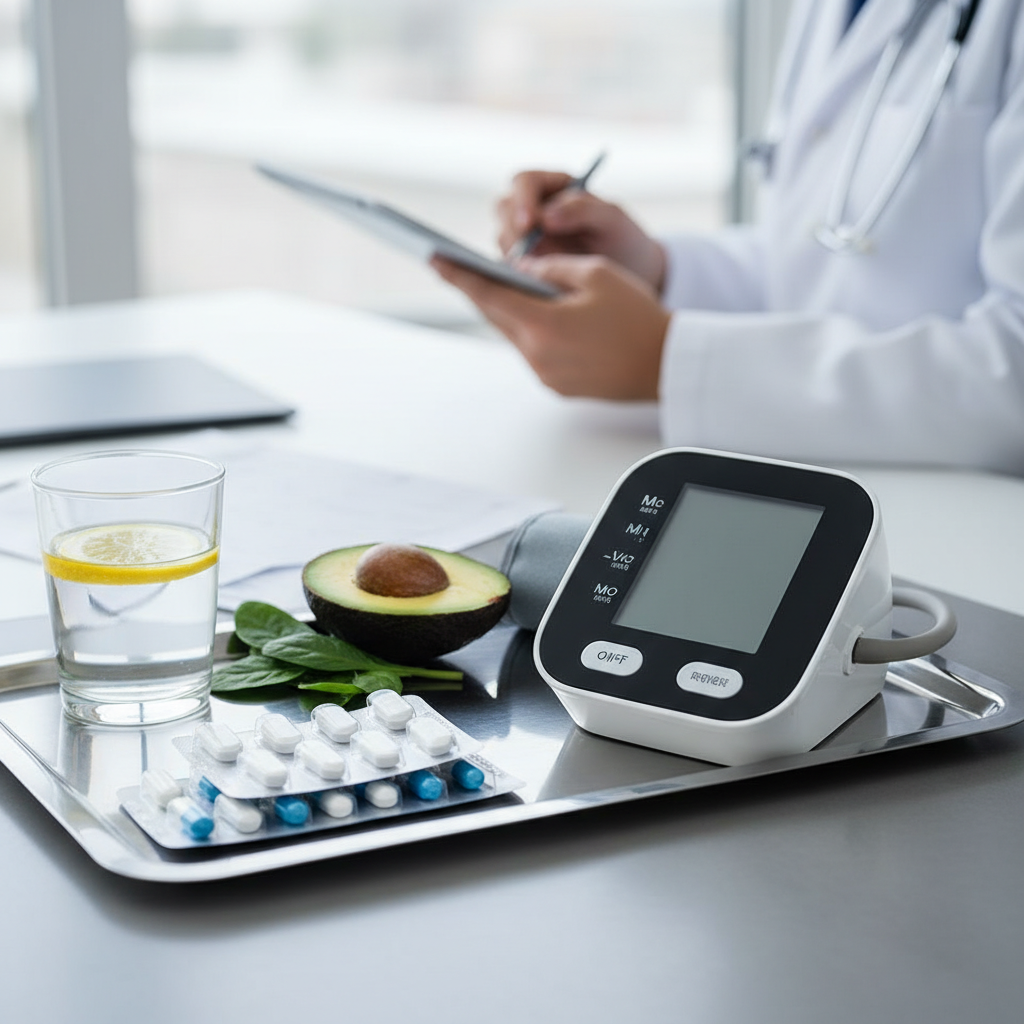
A Comprehensive Guide to High Blood Pressure Treatments
Managing high blood pressure, or hypertension, is crucial for long-term health, as it significantly reduces the risk of heart disease, stroke, and kidney problems. Treatment is not a one-size-fits-all approach; it typically involves a combination of lifestyle modifications and, in many cases, medication. The best plan is always developed in partnership with a healthcare provider who can tailor recommendations to an individual's specific health profile. Below is a detailed look at the most effective and commonly recommended treatments for high blood pressure.
Lifestyle Modifications: The Foundation of Control
For many individuals, especially those with mildly elevated blood pressure, lifestyle changes are the first line of defense. They can be powerful enough to lower blood pressure on their own or enhance the effectiveness of prescribed medications.
1. The DASH Diet
The Dietary Approaches to Stop Hypertension (DASH) diet is a well-researched eating plan specifically designed to lower blood pressure. It emphasizes foods that are rich in potassium, calcium, and magnesium—nutrients that are vital for blood pressure regulation. The diet is characterized by a high intake of fruits, vegetables, and whole grains, along with fat-free or low-fat dairy products, fish, poultry, beans, nuts, and vegetable oils. It limits foods high in saturated fat, such as fatty meats, full-fat dairy, and tropical oils like coconut and palm oil, as well as sugar-sweetened beverages and sweets.
Following the DASH diet isn't just about adding healthy foods; it's also about reducing sodium intake, which is a cornerstone of blood pressure management. Studies have shown that this eating plan can lower blood pressure within just two weeks. Its benefits extend beyond hypertension, as it also helps lower LDL ("bad") cholesterol and supports overall cardiovascular health, making it a sustainable and highly recommended long-term dietary strategy.
2. Regular Physical Activity
Engaging in consistent physical activity strengthens your heart, allowing it to pump more blood with less effort. When your heart doesn't have to work as hard, the force on your arteries decreases, which in turn lowers your blood pressure. The general recommendation is to aim for at least 150 minutes of moderate-intensity aerobic exercise, such as brisk walking, cycling, or swimming, per week. This can be broken down into 30 minutes a day, five days a week.
In addition to aerobic exercise, incorporating strength training activities at least two days per week can provide further benefits. Consistency is more important than intensity. Even small, regular bouts of activity can make a significant difference. Finding an activity you enjoy is key to sticking with it long-term, whether it's dancing, gardening, or hiking. Before starting a new exercise regimen, especially if you have been inactive, it's always wise to consult with a doctor.
3. Limiting Sodium Intake
Sodium plays a critical role in fluid balance within the body. Consuming too much sodium can cause your body to retain extra water, which increases the volume of blood in your bloodstream. This added volume puts more pressure on your blood vessel walls, leading to higher blood pressure. The American Heart Association recommends no more than 2,300 milligrams (mg) of sodium a day, with an ideal limit of no more than 1,500 mg per day for most adults, especially those with hypertension.
A significant portion of sodium intake comes not from the saltshaker but from processed and restaurant foods. Reading food labels is essential for identifying high-sodium products. Simple swaps, like choosing fresh or frozen vegetables over canned versions, preparing meals at home, and using herbs and spices for flavor instead of salt, can dramatically reduce your daily sodium consumption and have a direct, positive impact on your blood pressure readings.
4. Weight Management
Blood pressure often increases as weight increases. Being overweight or obese puts extra strain on your heart and circulatory system, forcing it to work harder to pump blood throughout the body. Even a small amount of weight loss can make a meaningful difference. Losing as little as 5 to 10 pounds can help lower your blood pressure and reduce your reliance on medication.
Weight loss is most effective when achieved through a combination of a balanced diet, such as the DASH diet, and regular physical activity. Beyond lowering blood pressure, maintaining a healthy weight also helps prevent or manage other health conditions like diabetes and high cholesterol, which are often associated with hypertension and contribute to cardiovascular risk.
Commonly Prescribed Medications
When lifestyle changes alone are not sufficient to control high blood pressure, a healthcare provider may prescribe medication. There are several classes of drugs that work in different ways to lower blood pressure.
5. Diuretics (Water Pills)
Diuretics are often one of the first medications prescribed for high blood pressure. They work by helping your kidneys remove excess sodium and water from your body through urination. This process reduces the total volume of blood circulating in your blood vessels, which in turn decreases the pressure against the vessel walls. Common types include thiazide, loop, and potassium-sparing diuretics.
While highly effective, they can sometimes cause side effects like increased urination, dizziness, or potassium imbalances, depending on the type. Your doctor will monitor your response and blood work to ensure the medication is working safely and effectively for you. They are a foundational treatment for many patients with hypertension.
6. ACE Inhibitors
Angiotensin-converting enzyme (ACE) inhibitors help relax your blood vessels by blocking the formation of a natural chemical called angiotensin II, which narrows blood vessels. By preventing this chemical from being produced, ACE inhibitors allow blood vessels to widen, making it easier for blood to flow through and thereby reducing blood pressure. Examples include lisinopril, enalapril, and ramipril.
A common side effect of ACE inhibitors is a persistent dry cough. If this occurs, it is important to speak with your doctor, as they may be able to switch you to a different class of medication. These drugs are particularly beneficial for individuals with coronary artery disease, heart failure, or diabetes.
7. Angiotensin II Receptor Blockers (ARBs)
ARBs work similarly to ACE inhibitors but through a different mechanism. Instead of blocking the production of angiotensin II, they prevent this chemical from binding to its receptors on the blood vessels. This has the same effect: it allows the blood vessels to relax and widen, leading to lower blood pressure. Examples include losartan, valsartan, and irbesartan.
ARBs are often prescribed as an alternative for patients who cannot tolerate the side effects of ACE inhibitors, particularly the dry cough. They are equally effective and share many of the same protective benefits for the heart and kidneys, making them a popular choice in hypertension management.
8. Calcium Channel Blockers
These medications lower blood pressure by preventing calcium from entering the muscle cells of your heart and blood vessels. Calcium is necessary for the contraction of these muscles. By blocking its entry, calcium channel blockers allow the blood vessels to relax and widen. Some types also slow the heart rate, further reducing the heart's workload and lowering blood pressure. Examples include amlodipine, diltiazem, and nifedipine.
Calcium channel blockers can be particularly effective for older adults and individuals of African heritage. Side effects may include constipation, headache, or swelling in the ankles. They are a versatile and widely used class of antihypertensive drugs.
Understanding Hypertension: Why Blood Pressure Matters
Blood pressure is the force of blood pushing against the walls of your arteries as your heart pumps it around your body. It is measured with two numbers: systolic pressure (the top number), which measures the pressure in your arteries when your heart beats, and diastolic pressure (the bottom number), which measures the pressure in your arteries when your heart rests between beats. A normal reading is typically below 120/80 mm Hg.
Hypertension is often called the "silent killer" because it usually has no symptoms, yet it silently damages your body over many years. When blood pressure remains consistently high, it forces the heart to work harder than normal and can damage the delicate inner lining of your arteries. This damage can lead to atherosclerosis (hardening of the arteries), which significantly increases the risk of serious health problems, including heart attack, stroke, heart failure, vision loss, and kidney disease. Understanding the stages of hypertension—from elevated to Stage 1 and Stage 2—helps doctors determine the urgency and type of treatment needed to prevent these long-term complications.
Exploring Additional Aspects of Blood Pressure Management
How Can I Monitor My Blood Pressure at Home?
Home blood pressure monitoring is an invaluable tool for managing hypertension. It provides you and your doctor with a more accurate picture of your blood pressure over time, away from the potential anxiety of a clinical setting (a phenomenon known as "white coat hypertension"). Regular home readings can help your doctor determine if your treatment plan is working and make adjustments as needed. It also empowers you to take an active role in your health management.
When choosing a monitor, an automated, cuff-style, upper-arm monitor is generally recommended as the most accurate. To get reliable readings, it's important to follow a consistent routine. Measure your blood pressure at the same time each day, such as in the morning before medication and in the evening. Sit quietly for a few minutes beforehand with your back supported and feet flat on the floor. Ensure the cuff is placed correctly on your bare arm, and avoid talking, eating, or drinking caffeine for 30 minutes before taking a measurement.
Are There Natural Supplements That Help Lower Blood Pressure?
Several natural supplements have been studied for their potential role in blood pressure management, but they should be viewed as complementary aids, not replacements for prescribed treatments. Potassium is a crucial mineral that helps balance sodium levels in your cells, and a diet rich in potassium from foods like bananas, spinach, and sweet potatoes is highly recommended. Magnesium also helps regulate blood pressure by relaxing blood vessels. Some studies suggest that fish oil (omega-3 fatty acids) and Coenzyme Q10 may have modest blood pressure-lowering effects.
It is absolutely critical to consult with your healthcare provider before starting any new supplement. Some supplements can interact with prescription medications or may not be safe for individuals with certain health conditions, such as kidney disease. Your doctor can provide guidance on whether a supplement is appropriate for you and ensure it doesn't interfere with your overall treatment plan.
What is a Hypertensive Crisis and What Should I Do?
A hypertensive crisis is a medical emergency characterized by a sudden and severe spike in blood pressure, typically to readings of 180/120 mm Hg or higher. This condition requires immediate medical attention as it can lead to organ damage. There are two types: a hypertensive urgency, where blood pressure is extremely high but there's no evidence of organ damage, and a hypertensive emergency, where high blood pressure has already caused damage to organs like the brain, heart, or kidneys.
Symptoms of a hypertensive emergency can include a severe headache, shortness of breath, blurred vision, chest pain, confusion, nausea, severe anxiety, or seizures. If you experience such high readings accompanied by any of these symptoms, you should not wait to see if your pressure comes down on its own. This is a life-threatening situation, and you should call 911 immediately. Prompt treatment is essential to prevent severe complications like a stroke, heart attack, or kidney failure.
A Holistic Approach to Blood Pressure Control
Effectively treating high blood pressure is a long-term commitment that hinges on a comprehensive and personalized strategy. The most successful outcomes are typically achieved through a combination of heart-healthy lifestyle modifications and, when necessary, consistent use of prescribed medications. Working closely with a healthcare provider is essential to create, monitor, and adjust your treatment plan to keep your blood pressure within a safe range, protecting your health for years to come.