Effective and Safe Approaches to Managing Shortness of Breath
Struggling to catch your breath can be an alarming experience, but finding relief is often possible.
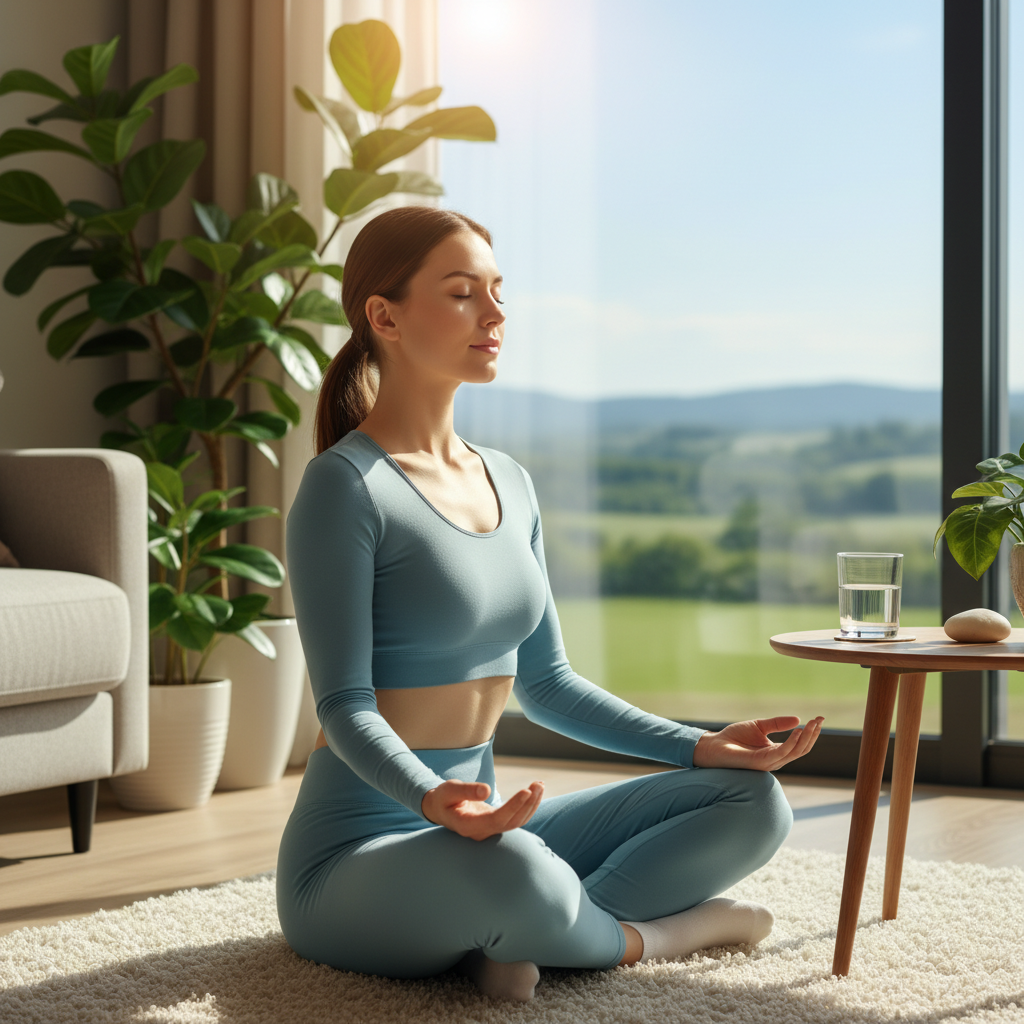
Practical Techniques and Lifestyle Changes for Better Breathing
Shortness of breath, medically known as dyspnea, is an uncomfortable sensation of not being able to get enough air. While it can be a sign of a serious medical condition, there are also many practical techniques and lifestyle adjustments that can help manage and alleviate the symptom. Here are several effective ways to address shortness of breath.
1. Pursed-Lip Breathing
Pursed-lip breathing is a simple yet powerful technique that can quickly slow your breathing pace, making each breath more effective. It helps relieve shortness of breath by keeping your airways open longer, allowing more air to flow in and out of your lungs. This technique can also release trapped air in the lungs and promote relaxation, which is particularly helpful if anxiety is contributing to your breathing difficulty.
To practice it, relax your neck and shoulder muscles. Breathe in slowly through your nose for two counts, keeping your mouth closed. Then, pucker or purse your lips as if you were about to whistle or blow out a candle. Breathe out slowly and gently through your pursed lips for a count of four. The key is to make your exhale twice as long as your inhale. This technique can be used anytime you feel breathless, whether during physical activity or at rest.
2. Diaphragmatic (Belly) Breathing
Also known as belly breathing, this technique helps strengthen the diaphragm, the most important muscle used for breathing. For many people with chronic lung conditions, the diaphragm doesn't work as effectively, and the body starts using muscles in the neck, shoulders, and back to breathe instead. This is less efficient and can lead to fatigue and increased shortness of breath. Diaphragmatic breathing retrains this primary muscle to do its job properly.
To try it, lie on your back with your knees bent or sit comfortably in a chair. Place one hand on your upper chest and the other on your belly, just below your rib cage. Breathe in slowly through your nose, feeling your stomach move out against your hand while your chest remains as still as possible. As you exhale through your mouth, tighten your stomach muscles and let them fall inward. Practicing this for 5 to 10 minutes several times a day can improve your breathing efficiency over time.
3. Finding a Comfortable, Supported Position
Your body posture can significantly impact your ability to breathe. When you feel short of breath, certain positions can help relax your body and take pressure off your airways. One effective position is sitting forward in a chair. Sit on a chair with your feet flat on the floor and lean your chest forward slightly. Gently rest your elbows on your knees or hold your chin with your hands. This position helps create more space in your chest cavity for your lungs to expand.
Another helpful posture is standing with your back and hips supported against a wall. Keep your feet shoulder-width apart and rest your hands on your thighs. This helps relax the muscles in your neck and shoulders, reducing the effort of breathing. Experimenting with different supported positions can help you find what works best to ease the sensation of breathlessness quickly.
4. Using a Fan
A simple but surprisingly effective method for relieving shortness of breath is to aim a small, handheld fan toward your face. The sensation of cool air can help reduce the feeling of breathlessness. Research suggests that the cool air stimulates receptors in your nose and face that can alter your perception of being short of breath, sending signals to your brain that can help ease the discomfort and anxiety associated with it.
You can use a fan while sitting down and practicing your breathing exercises. The combination of the cool airflow and controlled breathing can be a powerful tool for managing acute episodes of dyspnea. It’s a low-cost, non-medical intervention that many people find immediately comforting.
5. Inhaling Steam
If your shortness of breath is caused by congestion from a cold or allergies, inhaling steam can provide relief. Steam helps to break up mucus in your airways, making it easier to breathe. The warmth and moisture can also soothe irritated nasal passages and airways. You can create steam by filling a bowl with hot water and leaning over it with a towel draped over your head to trap the steam. Be careful not to get too close to avoid burns.
Alternatively, taking a hot shower and breathing in the steam-filled air can have a similar effect. A humidifier in your room can also help by adding moisture to the air, which can prevent your airways from drying out and becoming irritated, especially during dry winter months or in arid climates.
6. Quitting Smoking
For individuals who smoke, one of the most impactful long-term treatments for shortness of breath is to quit. Smoking damages the air sacs (alveoli) in the lungs and irritates the airways, leading to conditions like chronic obstructive pulmonary disease (COPD) and chronic bronchitis, both of which have shortness of breath as a primary symptom. Quitting smoking allows your lungs to begin healing, which can improve lung function and reduce breathlessness over time.
The benefits of quitting are both immediate and long-term. Your circulation and lung function can start to improve within just a few weeks of your last cigarette. While quitting can be challenging, there are many resources available, including nicotine replacement therapies, counseling, and support groups, to help you succeed.
7. Managing Weight and Exercising
Carrying excess weight can contribute to shortness of breath because it increases the demand for oxygen and puts pressure on the chest and lungs. Losing weight through a healthy diet and regular exercise can significantly improve breathing. Even a modest amount of weight loss can make a noticeable difference in how you feel during physical activity.
Regular physical activity, even if it seems counterintuitive when you feel breathless, is crucial. Exercise strengthens your heart and lungs, making your body more efficient at using oxygen. Starting slowly with activities like walking or swimming and gradually increasing the intensity can build your stamina and reduce the frequency and severity of dyspnea. This is the core principle of pulmonary rehabilitation programs.
8. Medical Treatments and Therapies
When shortness of breath is caused by an underlying medical condition, direct treatment of that condition is necessary. For asthma or COPD, doctors often prescribe bronchodilators (inhalers) that relax the airways and make breathing easier. For infections like pneumonia, antibiotics are used. If low oxygen levels are the issue, supplemental oxygen therapy may be required.
Pulmonary rehabilitation is a comprehensive program that includes exercise training, health education, and breathing techniques to help people with chronic lung diseases manage their symptoms and improve their quality of life. A healthcare provider can help determine the underlying cause of your dyspnea and recommend the most appropriate medical treatments.