Effective and Safe Vaginal Hygiene Products You Need to Know About
Navigating the feminine care aisle can be overwhelming, so we're here to provide some clarity. This guide breaks down the different types of vaginal hygiene products, from daily washes and wipes to specialized pH-balancing formulas.
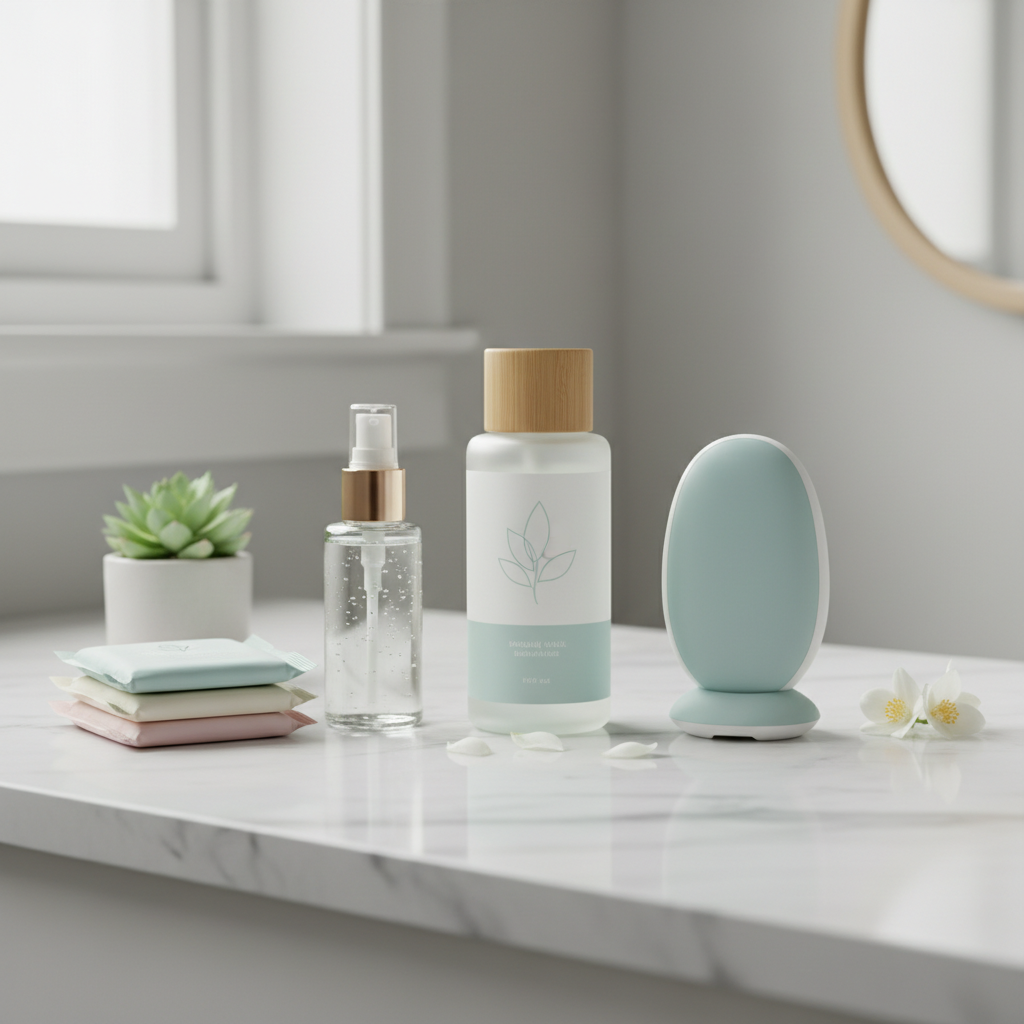
Essential Products for Healthy Vaginal Hygiene
Maintaining proper vaginal hygiene is crucial for a woman's overall health, helping to prevent infections, discomfort, and odor. However, the market is flooded with products, making it difficult to distinguish between what is helpful and what might be harmful. The key is to support the vagina's natural self-cleaning ecosystem rather than disrupting it. Here is a guide to the types of products generally recommended by health professionals for maintaining good vaginal hygiene.
1. Plain, Unscented Soap and Warm Water
The simplest and often most effective approach to cleaning the external genital area (the vulva) is using plain, unscented soap and warm water. The vagina itself is a self-cleaning organ and does not require internal washing. Aggressive soaps, especially those with strong fragrances, dyes, or harsh chemicals, can strip the skin of its natural oils and disrupt the delicate pH balance of the vulva. This can lead to dryness, irritation, and an increased risk of infection.
When washing, it's best to use your hands rather than a washcloth or loofah, which can harbor bacteria and be too abrasive for the sensitive skin in this area. Gently lather the unscented soap and apply it only to the external parts, like the labia and perineum. Afterward, rinse thoroughly with warm water to ensure no soap residue is left behind, and pat the area dry with a clean, soft towel. This minimalist approach is often all that is needed for daily hygiene.
2. pH-Balanced Feminine Washes
For those who prefer a dedicated product over simple soap, a pH-balanced feminine wash is a better alternative to conventional body washes. The healthy vaginal environment has an acidic pH, typically between 3.8 and 4.5. This acidity is maintained by beneficial bacteria called lactobacilli, which help to ward off the overgrowth of harmful microorganisms that can cause infections like bacterial vaginosis (BV) or yeast infections. Regular soaps and body washes are often alkaline, which can disrupt this natural acidic barrier.
When choosing a feminine wash, look for one that is specifically formulated to be pH-balanced for the vulvar area. It should also be hypoallergenic and free from harsh chemicals, parabens, dyes, and strong perfumes. Like with soap, these washes should only be used externally on the vulva and never inside the vagina. They can be a gentle option for those with sensitive skin who find even mild soaps to be irritating.
3. Unscented Feminine Wipes (For External Use)
Feminine wipes can be a convenient option for freshening up on the go, especially during menstruation, after exercise, or while traveling. However, it is crucial to choose the right kind. Opt for wipes that are unscented, alcohol-free, and hypoallergenic to minimize the risk of irritation. The primary purpose of these wipes should be to gently clean the external vulvar area, not to be used internally.
When using a wipe, always move from front to back to prevent transferring bacteria from the anal region to the urethra or vagina, which can lead to urinary tract infections (UTIs). While convenient for occasional use, wipes should not replace regular washing with water. Over-reliance on wipes can sometimes leave behind a residue that may cause irritation for some individuals.
4. Breathable Cotton Underwear
While not a "product" in the traditional sense, the type of underwear you choose plays a significant role in vaginal health. Synthetic fabrics like nylon, polyester, and spandex can trap heat and moisture, creating a warm, damp environment that is ideal for the growth of yeast and harmful bacteria. This can lead to an increased risk of yeast infections, itching, and general discomfort.
Cotton, on the other hand, is a natural, breathable material that allows air to circulate, helping to keep the genital area dry and cool. Choosing underwear with a cotton crotch is one of the most effective and simplest steps you can take to support good vaginal hygiene. It's also advisable to avoid wearing thongs for extended periods, as they can facilitate the transfer of bacteria from the anus to the vagina.
5. Fragrance-Free Laundry Detergent
The skin of the vulva is incredibly sensitive, and the products you use to wash your underwear can have a direct impact on its health. Laundry detergents that contain heavy perfumes, dyes, and chemicals can leave behind a residue on the fabric that causes contact dermatitis, resulting in itching, redness, and irritation in the genital area. This is often mistaken for a vaginal infection.
To avoid this, switch to a hypoallergenic, fragrance-free laundry detergent for washing your undergarments. This simple change can make a significant difference for individuals who experience persistent external irritation without a clear cause. It ensures that the fabric closest to your most sensitive skin is free from potential irritants.
Understanding the Vagina's Self-Cleaning Mechanism
One of the most remarkable aspects of the female reproductive system is the vagina's ability to maintain its own health. This self-cleaning mechanism is a complex and delicate ecosystem designed to protect itself from infection and maintain a stable environment. The primary players in this system are a group of beneficial bacteria known as lactobacilli. These bacteria produce lactic acid, which is responsible for creating the acidic pH of the vagina (typically between 3.8 and 4.5).
This acidic environment is inhospitable to many harmful pathogens, including the bacteria and yeast that can cause infections. When this balance is disrupted—whether by douching, harsh soaps, certain medications, or hormonal changes—the pH can rise, making the vagina more alkaline. This shift allows opportunistic microorganisms to overgrow, leading to conditions like bacterial vaginosis or yeast infections. Additionally, the vagina produces a natural discharge, which serves to flush out dead cells and bacteria, keeping the canal clean. This is why practices like douching are unnecessary and can actually do more harm than good by washing away the beneficial bacteria and disrupting the natural cleaning process.
Common Questions About Vaginal Hygiene
Is Douching Necessary or Safe?
Douching is the practice of washing or flushing the inside of the vagina with water or other fluids. Despite marketing claims that suggest douching is a necessary part of feminine hygiene, medical experts overwhelmingly advise against it. The vagina's self-cleaning system, regulated by beneficial bacteria and natural secretions, is highly effective on its own. Douching disrupts this delicate balance by flushing out the good bacteria along with the bad.
This disruption can alter the vagina's natural pH, making it more susceptible to infections. In fact, studies have linked douching to an increased risk of developing bacterial vaginosis, yeast infections, and pelvic inflammatory disease (PID). It can also push existing infections further up into the uterus, fallopian tubes, and ovaries. If you are concerned about vaginal odor, it's important to see a healthcare provider, as a strong or unusual odor can be a symptom of an underlying infection that requires medical treatment, not masking with a douche.
What's the Deal with Vaginal pH Balance?
The term "pH" refers to the level of acidity or alkalinity of a substance, measured on a scale from 0 to 14. A pH of 7 is neutral, below 7 is acidic, and above 7 is alkaline. A healthy vaginal pH is typically acidic, ranging from 3.8 to 4.5. This acidity is crucial for maintaining a healthy balance of microflora and preventing the overgrowth of harmful organisms. The dominant bacteria in a healthy vagina, lactobacilli, produce lactic acid, which helps maintain this low pH.
Several factors can throw this pH balance off. Semen, which is alkaline, can temporarily raise the vaginal pH after intercourse. Blood from menstruation is also more alkaline. Other disruptors include harsh soaps, douching, certain antibiotics, and hormonal fluctuations during pregnancy or menopause. When the pH becomes less acidic, it creates an environment where infection-causing bacteria can thrive, leading to issues like bacterial vaginosis, which is often characterized by a "fishy" odor and thin, greyish discharge.
How Do Scented Products Affect Vaginal Health?
While the idea of using scented products might seem appealing for feeling "fresh," they are one of the most common causes of irritation and disruption to vaginal health. The fragrances used in products like scented pads, tampons, feminine sprays, and scented soaps are made from a complex mixture of chemicals. The sensitive skin of the vulva can easily react to these chemicals, leading to contact dermatitis, which manifests as itching, redness, and inflammation.
Beyond external irritation, these fragrances can also disrupt the delicate balance of the vaginal microbiome. They can alter the pH and create an environment that is less favorable for the beneficial lactobacilli, potentially increasing the risk of infections. The best practice is to always choose fragrance-free products for anything that will come into close contact with the genital area, from menstrual products to laundry detergent. A healthy vagina has a natural, subtle scent, and a strong or unpleasant odor is typically a sign of an infection that should be evaluated by a doctor, not covered up with perfumes.
Conclusion
Effective vaginal hygiene is centered on supporting the body's natural processes, not working against them. The most recommended approach involves gentle, external cleansing with mild, unscented products like plain water and pH-balanced washes. Key lifestyle choices, such as wearing breathable cotton underwear and using fragrance-free detergents, also play a vital role. By avoiding harsh chemicals, fragrances, and practices like douching, you can help maintain the vagina's delicate pH balance and support the microbiome that protects you from infection. If you ever have concerns about odor, discharge, or discomfort, it is always best to consult a healthcare professional for guidance.