Effective and Safe Ways to Eliminate Lice for Good
Discovering head lice is stressful, but getting rid of them doesn't have to be. We’ll walk you through all the effective options, from powerful over-the-counter and prescription treatments to natural home remedies and the crucial combing techniques you need to know.
A Comprehensive Guide on How to Get Rid of Lice
Effective Methods for Lice Removal
Discovering head lice on yourself or a loved one can be stressful, but it's a common issue that can be managed effectively with the right approach. The key to successful treatment is diligence and understanding the different options available. From over-the-counter solutions to manual removal, here are the most effective methods for eliminating head lice.
1. Over-the-Counter (OTC) Treatments
The first stop for many people is the local pharmacy, which stocks a variety of over-the-counter lice treatments. These products typically contain pyrethrins or permethrin lotion (1%). Pyrethrins are a pesticide derived from chrysanthemum flowers and are effective at killing live lice but not their unhatched eggs (nits). For this reason, a second treatment is almost always required 7 to 10 days after the first to kill any newly hatched lice before they can lay new eggs.
When using an OTC product, it is crucial to follow the package directions precisely. This includes applying the product to dry hair, leaving it on for the recommended time, and then rinsing it out over a sink or tub. After treatment, you will still need to comb through the hair with a fine-toothed nit comb to remove the dead lice and nits. Failure to follow the instructions or complete the second treatment is a common reason for treatment failure.
2. Prescription Medications
If over-the-counter treatments don't work, it might be time to consult a doctor. In some regions, lice have developed resistance to common OTC chemicals, making them less effective. A doctor can prescribe stronger medications that work through different mechanisms. Some common prescription options include benzyl alcohol lotion, ivermectin lotion, and malathion lotion. These treatments can be more potent and may have different application instructions, so it's essential to use them exactly as prescribed by your healthcare provider.
Another prescription option is spinosad topical suspension, which is effective at killing live lice, nymphs, and even nits, often eliminating the need for extensive combing or a second application. Because these are stronger chemicals, they may not be suitable for very young children, so always discuss the best and safest option with a pediatrician or family doctor.
3. Manual Removal (Wet-Combing)
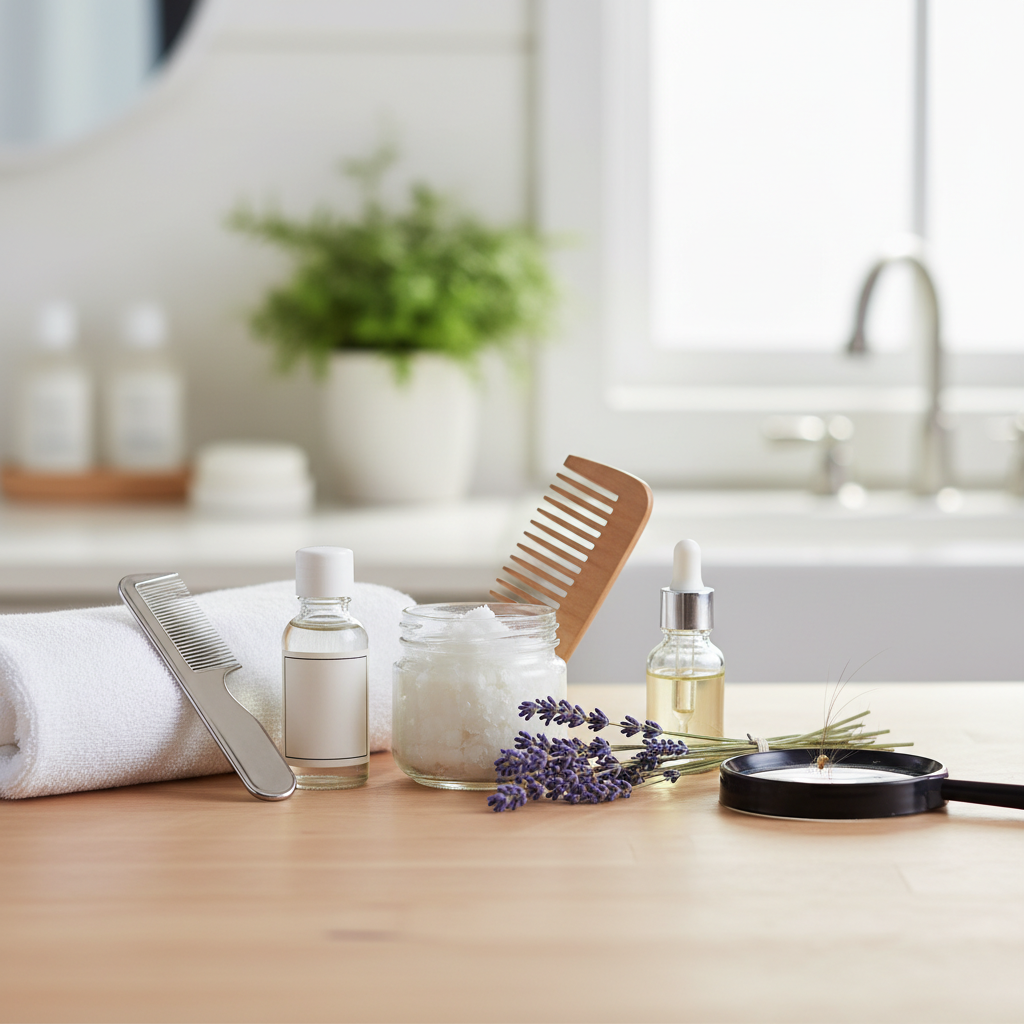
Wet-combing is a non-chemical method that can be used alone or in conjunction with other treatments. While it is time-consuming and requires patience, it is completely safe and can be very effective if done correctly. The process involves coating the hair with a thick white conditioner or a lubricant, which stuns the live lice for a short period and makes it easier to comb through the hair. Using a special fine-toothed metal nit comb, you systematically work through small sections of the hair, from the scalp to the end of the hair shaft.
After each pass with the comb, you must wipe it on a white paper towel to see and remove any lice or nits. This process should be repeated every 3 to 4 days for at least two weeks to ensure you remove all lice as they hatch. The main advantage of wet-combing is that it avoids pesticides, making it a great choice for young children, people with sensitive skin, or anyone who prefers a chemical-free approach. The downside is the significant time commitment and the need for meticulous attention to detail.
4. Considering Home Remedies
Many people search for home remedies involving products like mayonnaise, olive oil, petroleum jelly, or essential oils. The theory behind using these thick, occlusive substances is that they can smother and suffocate the lice. Users are often instructed to coat the scalp and hair, cover it with a shower cap, and leave it on overnight before washing it out and combing for nits.
However, it's important to approach these methods with caution. Scientific evidence supporting their effectiveness is limited, and studies have shown them to be less reliable than medicated shampoos. These remedies are messy, difficult to wash out, and may not successfully kill all the lice or their nits. While some people report success, they are generally not recommended by medical professionals as a primary line of defense. If you do try them, they must be combined with diligent combing to have any chance of success.
Understanding the Head Lice Life Cycle
To effectively treat head lice, it helps to understand their life cycle. A successful treatment plan must eliminate lice at all three stages of their development: the nit, the nymph, and the adult louse. Missing even one stage can lead to a re-infestation, which is why persistence is so critical.
The cycle begins with the nit, which is the lice egg. Adult female lice lay nits on the hair shaft, very close to the scalp where the temperature is perfect for incubation. These tiny, oval-shaped eggs are glued firmly to the hair and can be difficult to remove. After about 7 to 10 days, the nit hatches into a nymph. The nymph looks like a smaller version of an adult louse and goes through three molts before becoming a mature adult, a process that takes another 9 to 12 days. Once it becomes an adult, it can begin reproducing. An adult louse can live for about 30 days on a person's head and can lay several eggs each day. This rapid life cycle is why a small problem can escalate quickly if not treated promptly and thoroughly.
Common Questions About Lice Treatment and Prevention
How do you clean your house after a lice infestation?
While the fear of lice infesting your home is common, it's important to know that head lice cannot survive for long without a human host—typically less than 24-48 hours. They do not jump or fly, and they cannot live on pets. Therefore, extensive house cleaning is often unnecessary. The focus should be on items that have been in direct contact with the infested person's head in the 48 hours prior to treatment.
You should wash all bedding, towels, and clothing worn recently by the person in hot water (at least 130°F or 54°C) and dry them on a high heat setting. For items that cannot be washed, like stuffed animals or hats, you can either seal them in a plastic bag for two weeks or put them in a high-heat dryer for 30 minutes. It's also a good idea to soak combs, brushes, and hair accessories in hot water for at least 10 minutes. Vacuuming carpets and upholstered furniture is a reasonable precaution to pick up any stray hairs with attached nits, but chemical sprays for the home are not recommended as they can be toxic and are unnecessary.
How can you prevent getting lice again?
Preventing a re-infestation, especially in a school or daycare setting, involves a combination of education and good habits. Teach your children to avoid head-to-head contact with others during play, sports, or while taking photos. Direct contact is the primary way lice spread. It's also wise to advise them not to share personal items that touch the head.
Common items to avoid sharing include hats, scarves, helmets, hair ribbons, combs, brushes, and headphones. Encourage your child to use their own locker or cubby to store their belongings instead of piling coats and hats together with those of their classmates. Regular head checks, perhaps once a week, can also help you catch any new lice early before they have a chance to multiply and spread to others.
Are lice a sign of poor hygiene?
This is one of the biggest and most persistent myths about head lice. Getting head lice has absolutely nothing to do with personal hygiene, cleanliness of a person, or the cleanliness of their home. Lice are equal-opportunity pests; they are just as happy on a clean head as they are on a dirty one. In fact, they may find it easier to attach their nits to clean hair shafts.
The stigma associated with lice can cause unnecessary shame and embarrassment, preventing people from seeking treatment or notifying others who may have been exposed. It's crucial to understand and communicate that anyone can get head lice. It is simply a matter of being in close contact with someone who has them. Spreading factual information helps to destigmatize the issue and encourages a more effective community response to outbreaks.
Conclusion
Getting rid of head lice requires a patient, methodical, and thorough approach. Whether you choose an over-the-counter product, a prescription medication, or manual combing, the key to success is following the instructions carefully and being persistent. Understanding the lice life cycle helps clarify why repeat treatments and diligent combing are so important. By combining effective treatment with preventative measures and busting common myths, you can manage an infestation confidently and help prevent future occurrences.