Effective Clippers for Managing Ingrown Toenails: A Comprehensive Guide
If you're dealing with a painful ingrown toenail, you already know that your standard clippers aren't up to the task and can often make things worse. Finding the right tool is essential for providing safe relief, but not all specialized clippers are created equal.
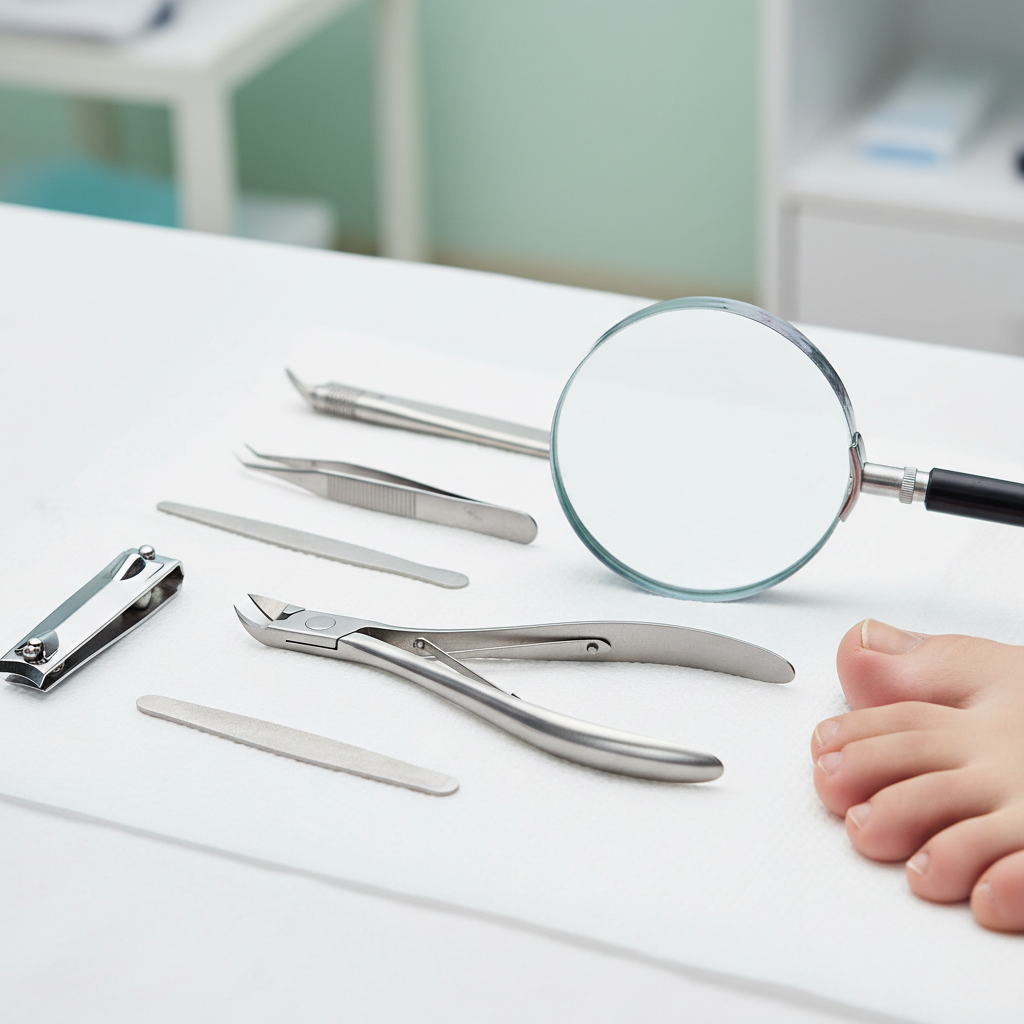
Dealing with an ingrown toenail can be a painful and delicate task. Using the wrong tool, like a standard fingernail clipper, can worsen the problem, increase pain, or even lead to infection. The best clippers for ingrown toenails are specifically designed to handle the unique challenges they present, such as navigating tight spaces and cutting thick, curved nails. Understanding the key features of these specialized tools is the first step toward finding relief and properly caring for your feet.
Instead of focusing on specific brands, this guide breaks down the essential characteristics and types of clippers that are most effective for managing ingrown toenails safely at home. By knowing what to look for, you can choose a tool that provides precision, safety, and control.
Key Features of Effective Ingrown Toenail Clippers
When selecting a clipper for an ingrown toenail, certain design elements are crucial for both effectiveness and safety. These features are what separate a specialized podiatry tool from a common drugstore clipper.
1. Precision Pointed or Angled Tip
One of the most important features is the shape of the cutting head. Clippers designed for ingrown toenails often have a sharp, pointed tip. This slender design allows you to carefully access the corner of the nail that is digging into the skin without causing further irritation to the surrounding swollen tissue. The pointed end can gently lift the edge of the nail, giving you a clear view and allowing you to make a precise cut to relieve the pressure.
An alternative to the pointed tip is an angled blade. These clippers have a cutting edge that is slanted, which helps you approach the nail from the side. This is particularly useful for reaching awkward corners, especially on the big toe, where the nail is wider and the curve can be more pronounced. Both designs prioritize precision, enabling you to snip away only the problematic piece of nail without damaging the nail bed or skin.
2. Straight Edge Blade
While most standard nail clippers have a curved blade designed to match the natural shape of a fingernail, the best clippers for toenails feature a straight cutting edge. A straight blade is highly recommended by podiatrists for preventing ingrown toenails in the first place. When you cut your toenails straight across, you prevent the corners from growing downward into the skin.
For an existing ingrown toenail, a straight-edged clipper ensures you can make a clean, direct cut on the portion of the nail causing the issue. A curved blade can inadvertently round the corners, which might encourage the nail to continue growing into the skin fold. The clean, straight cut is easier to control and is fundamental to proper toenail care and ingrown nail management.
3. Surgical-Grade Stainless Steel Construction
The material of the clippers is critical for hygiene and durability. Look for clippers made from high-quality, surgical-grade stainless steel. This material is not only strong and durable, ensuring the blades stay sharp for a long time, but it is also rust-proof and easy to sanitize. Given that an ingrown toenail involves a break in the skin, the risk of infection is high. A tool that can be thoroughly cleaned and disinfected with alcohol before and after each use is essential.
Lower-quality metals can rust, corrode, or harbor bacteria, posing a significant health risk. Surgical steel provides peace of mind that you are using a hygienic tool. The sharpness of the blades is also a function of the material's quality; a sharp blade cuts cleanly without tearing or splitting the nail, which is crucial for preventing further damage.
4. Ergonomic and Non-Slip Handle
Precision and control are impossible without a good grip. Specialized ingrown toenail clippers often feature longer, ergonomic handles that provide superior leverage and control compared to small, standard clippers. This is especially helpful for individuals with weaker hands or arthritis. The extra leverage means you need to apply less force to make a clean cut, reducing the chance of the clipper slipping.
Many of these clippers also have a textured or rubberized grip. This non-slip surface ensures your hand remains steady during the delicate process of trimming an ingrown nail. A slip could lead to a painful injury or worsen the condition. The combination of an ergonomic shape and a secure grip allows for a confident, steady hand, which is paramount when working in such a sensitive area.
5. Safety Features and Additional Tools
Because the tips of these clippers are often very sharp and pointed, many come with a plastic safety cover for the cutting head. This protects the blades from damage and prevents accidental pokes or cuts when the clippers are stored in a drawer or travel bag. It’s a simple but important feature for household safety.
Some ingrown toenail kits also include a "nail lifter." This is a thin, flat or curved tool designed to gently lift the edge of the ingrown nail away from the skin before you attempt to cut it. Using a nail lifter can reduce pain and give you a much clearer angle for trimming the offending nail spike. It helps ensure you are only cutting the nail and not the delicate skin underneath.