Effective Exercises That May Alleviate Neuropathy Symptoms
Discover a range of exercises that might assist in managing neuropathy symptoms. While there's no guaranteed cure, engaging in targeted physical activities can potentially support better nerve health and reduce discomfort.
Understanding Neuropathy
Neuropathy, or peripheral neuropathy, is a condition resulting from damage to the peripheral nerves. It often leads to symptoms like pain, numbness, tingling, and muscle weakness in the affected areas. While it can be challenging to manage, incorporating certain exercises into your routine may help alleviate some of these symptoms and improve overall quality of life.
What Causes Neuropathy?
Neuropathy can stem from various factors, including diabetes, infections, injuries, exposure to toxins, and even certain medications. In some cases, it is idiopathic, meaning the cause is unknown. According to the American Diabetes Association, about 50% of individuals with diabetes experience some form of neuropathy, making it the most common cause.
Symptoms to Watch For
While symptoms vary depending on the nerves affected, common signs of neuropathy include:
- Numbness and tingling in the hands and feet
- Sharp, jabbing, throbbing, or burning pain
- Sensitivity to touch
- Muscle weakness or paralysis if motor nerves are involved
Exercises That Could Help With Neuropathy
Regular physical activity plays a vital role in managing symptoms of Peripheral Neuropathy by improving blood circulation, enhancing nerve function, and reducing pain sensitivity. A well-balanced exercise routine that includes aerobic activities like walking or cycling, strength training to support muscle health, and balance exercises such as yoga or tai chi can significantly improve mobility and stability. Additionally, gentle stretching helps maintain flexibility and may reduce stiffness and discomfort caused by nerve damage. When performed consistently and safely, these exercises not only help relieve common symptoms like numbness, tingling, and weakness but also contribute to better overall physical health and quality of life.
The Role of Exercise in Managing Neuropathy
Exercise plays a critical role in managing and potentially alleviating neuropathy symptoms. Regular physical activity can help improve blood flow to the nerves, reduce pain sensitivity, and enhance overall strength and balance. A 2026 study from the Journal of Pain Research emphasized the positive impact of exercise on nerve health and function.
Recommended Exercises for Neuropathy Sufferers
The following exercises are particularly beneficial for individuals dealing with neuropathy:
1. Aerobic Exercises
Activities like walking, swimming, or cycling can boost cardiovascular health and enhance blood circulation, which may positively affect nerve health.
2. Strength Training
Engaging in strength training exercises using light weights or resistance bands can help improve muscle tone and reduce some symptoms of muscle weakness associated with neuropathy.
3. Balance and Coordination Exercises
Practicing physical activities that enhance balance and coordination, such as tai chi or yoga, could help reduce the risk of falls and improve stability.
Stretching and Flexibility
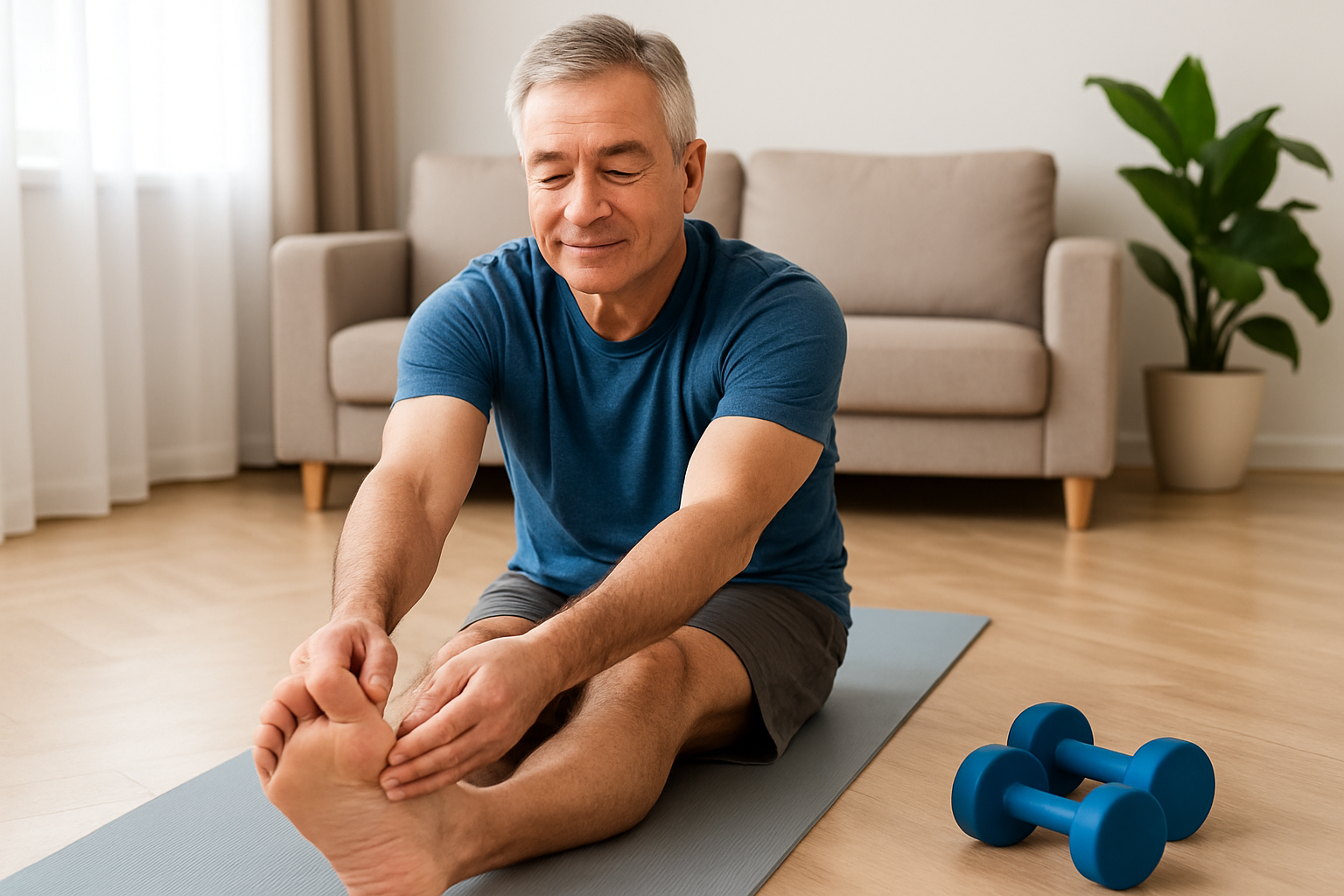
Incorporating stretching exercises into your daily routine can increase flexibility and reduce pain related to nerve damage. Stretching the calves, hamstrings, and lower back can be particularly beneficial.
How to Safely Incorporate These Exercises
Consultation with Healthcare Professionals
Before starting any exercise program, it is crucial to consult a healthcare provider to tailor an exercise plan to your needs and circumstances. A physiotherapist can provide invaluable guidance and ensure exercises are done safely and effectively.
Starting Slow
Begin with mild activities and gradually increase the intensity and duration as your tolerance improves. Listen to your body and avoid over-exertion, which can exacerbate symptoms.
Consistency is Key
Establishing a consistent routine is vital. Aim for at least 150 minutes of moderate aerobic activity weekly as recommended by the Centers for Disease Control and Prevention (CDC).
Other Complementary Therapies
Diet and Nutrition
Nutrition plays a significant role in managing neuropathy symptoms. A diet rich in fruits, vegetables, whole grains, and lean proteins supports nerve health and can boost your energy levels.
Alternative Therapies
Some individuals find relief through alternative therapies such as acupuncture, massage therapy, or supplementation with vitamins B12 and D, which are known to support nerve health. However, it's essential to discuss these options with your healthcare provider to ensure they fit into your overall treatment plan.
Technological Aids
Recent advancements in technology provide smart wearables that can assist in monitoring activity levels, ensuring exercises remain within a safe exertion zone, thus helping to manage neuropathy effectively.
Conclusion
While neuropathy can significantly impact daily life, proper management can ease its symptoms. Incorporating exercises like aerobic activities, strength training, balance routines, and flexibility exercises can help improve your condition. Always engage with health professionals to create a personalized plan tailored to your individual needs and aim for a holistic approach, combining exercise with dietary and alternative therapies for the best results.
References
- American Diabetes Association
Provides detailed insights on diabetic neuropathy and lifestyle management, including exercise.
https://diabetes.org/diabetes/complications/ - Centers for Disease Control and Prevention
Covers physical activity guidelines and benefits for overall health and nerve function.
https://www.cdc.gov/physicalactivity/basics/index.htm - National Institute of Neurological Disorders and Stroke
Offers comprehensive information on peripheral neuropathy, causes, symptoms, and treatments.
https://www.ninds.nih.gov/health-information/disorders/peripheral-neuropathy