Effective Home Gym Equipment for Managing Arthritis Symptoms
Managing arthritis often means rethinking your fitness routine, and the right home gym equipment can make all the difference.
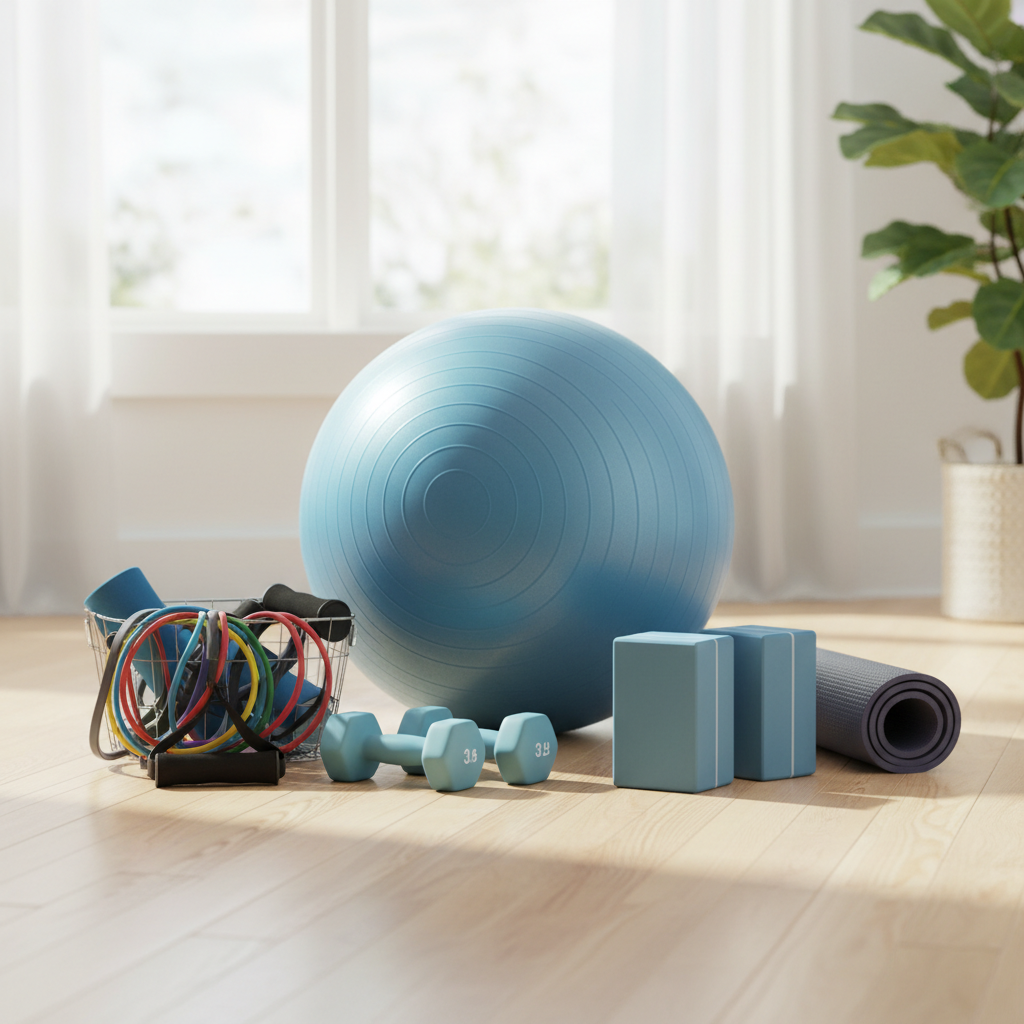
Best Home Gym Equipment For Arthritis
Exercising with arthritis can feel like a catch-22. Movement is crucial for managing pain and stiffness, but the wrong kind of movement can make things worse. Creating a home gym that supports your joints, rather than stressing them, is one of the most effective ways to stay active and improve your quality of life. The right equipment focuses on low-impact, fluid movements that build strength, enhance flexibility, and boost cardiovascular health without jarring sensitive joints.
The goal is to find machines and tools that provide support and control, allowing you to tailor your workouts to your specific needs and energy levels on any given day. This guide explores some of the best types of home gym equipment for individuals living with arthritis, focusing on features that prioritize safety, comfort, and effectiveness.
1. Recumbent Bicycles
Recumbent bikes are often at the top of the list for arthritis-friendly exercise, and for good reason. Unlike upright bikes, they feature a larger seat with back support, placing the user in a reclined position. This design significantly reduces stress on the hips, knees, and lower back, which are common areas of arthritic pain. The pedals are positioned out in front of the body rather than directly below, creating a more natural, linear motion that is gentle on the knee and ankle joints. This makes it an excellent choice for cardiovascular exercise without the high impact of running or even walking on hard surfaces.
When looking for a recumbent bike, consider models with an easily adjustable seat and multiple levels of magnetic resistance. A step-through design, which eliminates the need to lift your leg high over a central bar, is another crucial feature for those with limited mobility. Many people with arthritis find that starting with no resistance and gradually increasing it over time allows them to build strength in the muscles supporting their joints, which can lead to a significant reduction in pain and an increase in stability.
2. Elliptical Machines
Elliptical trainers are another fantastic low-impact option. They simulate a walking or running motion but in a smooth, continuous path, so your feet never leave the pedals. This completely eliminates the jarring impact that occurs when your feet strike the ground, protecting your ankles, knees, and hips. Many ellipticals also have moving handlebars, allowing for a full-body workout that engages the arms, shoulders, and back. This is particularly beneficial for strengthening the muscles that support your spine and improving overall posture.
For those with arthritis, key features to look for include a low step-on height for easy access, comfortable and oversized foot pedals to accommodate any foot swelling, and a smooth, fluid stride motion. Some higher-end models offer adjustable stride lengths, which can be helpful for tailoring the movement to your body and avoiding overextension of the joints. Starting at a low resistance and focusing on proper form is essential to get the most benefit without causing strain.
3. Treadmills with Superior Cushioning
While running on a treadmill can be high-impact, walking is one of the most recommended forms of exercise for arthritis management. A high-quality treadmill can provide a safer and more comfortable walking surface than pavement or uneven trails. The most important feature to look for is a well-cushioned deck. Modern treadmills often have advanced shock absorption systems designed to reduce the impact on your joints by as much as 30-40% compared to outdoor surfaces. This cushioning can make a world of difference for someone with knee or hip arthritis.
In addition to cushioning, look for treadmills with sturdy, full-length handrails for support and balance. A slow starting speed and the ability to make small, incremental speed adjustments are also vital. This allows you to warm up properly and find a pace that is comfortable for you. Using the incline feature can also be beneficial, as walking on a slight incline helps to engage different muscle groups and can sometimes be more comfortable on the back than walking on a flat surface.
4. Resistance Bands
Not all effective gym equipment needs to be a large machine. Resistance bands are an inexpensive, versatile, and incredibly joint-friendly tool for strength training. Unlike free weights, which rely on gravity and can put uneven pressure on joints at certain angles, bands provide constant tension throughout the entire range of motion. This creates a smooth, controlled movement that builds muscle strength without sudden stress or jerky motions. They are perfect for strengthening the small stabilizing muscles around joints like the knees, hips, and shoulders.
Resistance bands come in various levels of tension, from very light to heavy, allowing you to progress at your own pace. They can be used for a vast array of exercises targeting every major muscle group while seated or standing. For people with arthritis in their hands, look for bands with comfortable handles or loop-style bands that can be wrapped around the wrists or ankles, eliminating the need for a strong grip.
5. Water Rowers
A rowing machine offers a powerful full-body workout that is surprisingly low-impact. The movement is fluid and continuous, engaging the legs, core, and upper body in one synchronized motion. A water rower, in particular, uses a flywheel in a tank of water to create resistance, which provides an exceptionally smooth and natural-feeling pull. The resistance automatically adjusts to your effort—the harder you pull, the more resistance you feel—making it easy to control the intensity of your workout.
The seated position supports the body and takes the pressure off the lower body joints, making it a great option for those who find standing exercises difficult. It is excellent for improving cardiovascular health and building functional strength. When considering a rower, it’s important to ensure the seat is comfortable and glides smoothly. Proper form is key to preventing back strain, so it's wise to watch tutorials or consult a professional to learn the correct technique before starting.
Understanding Exercise and Its Role in Arthritis Management
For many years, the prevailing advice for those with arthritis was to rest and avoid activity to protect their joints. However, modern research has completely overturned this notion. We now understand that regular, appropriate exercise is one of the most critical components of managing arthritis symptoms. Joints are designed for movement. The cartilage within our joints doesn't have its own blood supply; it relies on the pumping action of movement to receive nutrients and lubrication from the surrounding synovial fluid. When we are sedentary, this process slows down, and joints can become even stiffer and more painful.
The right kind of exercise strengthens the muscles, tendons, and ligaments that surround and support our joints. When these supporting structures are strong, they absorb more of the shock and stress from daily activities, effectively taking the load off the joint itself. This can lead to a significant decrease in pain and an increase in joint stability. Furthermore, exercise helps maintain a healthy weight, which is crucial as extra body weight puts immense pressure on weight-bearing joints like the hips and knees. It also improves mood, reduces fatigue, and enhances sleep quality—all of which are common challenges for people living with chronic pain.
Common Questions About Exercising with Arthritis
How Should I Safely Start an Exercise Routine?
Starting a new exercise routine with arthritis requires a thoughtful and gradual approach. The golden rule is to "start low and go slow." Begin with shorter sessions, perhaps just 5-10 minutes at a time, and use the lowest resistance or speed setting on your equipment. Your body needs time to adapt, and doing too much too soon is a common cause of flare-ups. It's far better to be consistent with short, gentle workouts than to do one long, intense workout that leaves you in pain for days.
Always incorporate a warm-up and a cool-down. A 5-minute warm-up of gentle movements, like marching in place or arm circles, helps increase blood flow to your muscles and prepares your joints for activity. After your workout, a cool-down with gentle stretching can help prevent stiffness. Most importantly, listen to your body. The "two-hour pain rule" is a helpful guideline: if you have more joint pain two hours after exercising than you did before you started, you've likely overdone it. Scale back the intensity or duration of your next session.
What Types of Exercises Should Be Avoided?
While most forms of movement can be modified, certain high-impact and high-risk activities are generally not recommended for people with moderate to severe arthritis. These include exercises that involve jumping, jarring, or rapid, uncontrolled movements. Activities like high-impact aerobics, running on hard surfaces, and sports that require quick pivots and stops (like basketball or tennis) can place excessive stress on already sensitive joints.
In the gym, this means being cautious with exercises that load the joints at awkward angles or involve heavy weightlifting with poor form. For example, deep squats or lunges may be painful for someone with knee arthritis and could be modified to a shallower range of motion. The key is to avoid any movement that causes sharp, stabbing, or unstable pain. The goal of exercise is to make your joints feel better, not worse.
How Important is Stretching?
Stretching, or range-of-motion exercise, is absolutely essential for managing arthritis. Arthritis often leads to a gradual loss of flexibility as pain and inflammation cause a person to move their joints less. Over time, this can result in tightened muscles and a reduced ability to perform everyday tasks. Gentle stretching helps to counteract this by maintaining and even improving the flexibility of the joints.
Stretching should be done daily, if possible. The best time to stretch is when your muscles are already warm, such as after a warm shower or following your main workout. Move each joint gently through its full, comfortable range of motion. The stretches should be slow and smooth, without any bouncing. Hold each stretch for about 20-30 seconds and remember to breathe. This practice not only improves flexibility but also helps alleviate stiffness and can provide significant pain relief.
Conclusion
Building a home gym tailored to the needs of someone with arthritis is an investment in long-term health and mobility. Equipment like recumbent bikes, ellipticals, and well-cushioned treadmills provide excellent low-impact cardiovascular workouts. At the same time, tools like resistance bands offer a safe and effective way to build the muscle strength needed to support vulnerable joints. By choosing the right equipment and pairing it with a consistent, gentle approach to exercise, individuals can take proactive control over their symptoms, reduce pain, and significantly enhance their overall well-being.
For more information, you can visit these resources: