Effective Medications for Alleviating Sinus Blockage
If you're dealing with the frustrating pressure and congestion of a sinus blockage, finding the right medication can bring welcome relief.
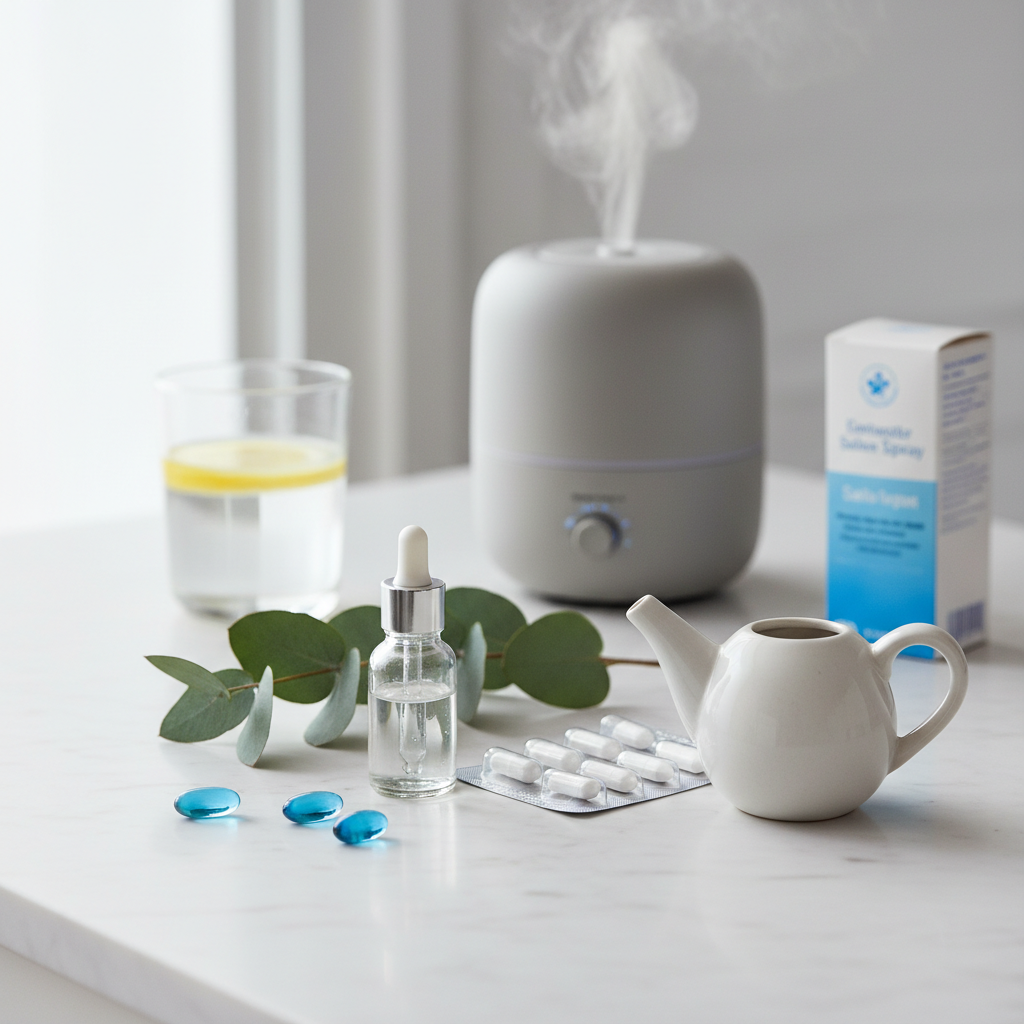
A Guide to Medications That Help Clear Sinus Blockage
Sinus blockage, also known as sinus congestion, is an uncomfortable and common condition that occurs when the nasal passages become swollen and inflamed. This swelling traps mucus, leading to pressure, pain, and difficulty breathing through the nose. Fortunately, a variety of over-the-counter (OTC) and prescription medications can provide effective relief. Understanding the different types of medications, how they work, and when to use them is key to finding the right solution for your symptoms.
This guide provides a comprehensive overview of the primary categories of medications used to address sinus blockage, from fast-acting decongestants to inflammation-reducing steroids. Each type targets the problem in a slightly different way, and sometimes a combination approach is most effective. It's always wise to consult with a healthcare professional or pharmacist to determine the best course of action for your specific situation, especially if you have underlying health conditions or are taking other medications.
Oral and Nasal Decongestants
Decongestants are often the first line of defense for many people experiencing sinus blockage. They work by narrowing the blood vessels in the lining of your nose. This action reduces swelling and inflammation, which in turn allows air and mucus to move more freely through your nasal passages. Oral decongestants, available in pill or liquid form, contain active ingredients like pseudoephedrine or phenylephrine. They provide systemic relief that can last for several hours, making them a convenient option for all-day or all-night comfort from congestion.
Nasal decongestant sprays, containing ingredients like oxymetazoline or xylometazoline, offer more targeted and rapid relief. Because the medication is applied directly to the nasal passages, it can start working within minutes. However, it's crucial to use these sprays with caution. Overuse, specifically for more than three to five consecutive days, can lead to a phenomenon known as rebound congestion or rhinitis medicamentosa. This condition causes the nasal passages to become dependent on the spray, and the congestion can return even worse once you stop using it.
Antihistamines
While often associated with allergies, antihistamines can also play a role in relieving sinus blockage, particularly when the congestion is caused by an allergic reaction. Allergens like pollen, dust mites, or pet dander trigger the body to release histamines, which cause inflammation, swelling, sneezing, and increased mucus production. Antihistamines work by blocking the effects of these histamines, thereby reducing the allergic response and the associated nasal symptoms. Common antihistamine ingredients include loratadine, cetirizine, and fexofenadine.
It is important to note that not all sinus blockage is caused by allergies. If your congestion is due to a common cold or a non-allergic irritant, antihistamines may not be very effective at clearing the blockage. Some older antihistamines, like diphenhydramine, can cause significant drowsiness and also have a drying effect, which might thicken mucus and worsen congestion for some individuals. Newer-generation antihistamines are typically non-drowsy and are a better choice for daytime use if your sinus issues are allergy-related.
Nasal Corticosteroids
Nasal corticosteroid sprays are considered one of the most effective treatments for managing chronic sinus inflammation, especially when related to allergies or chronic sinusitis. Unlike decongestant sprays that provide immediate but short-term relief, corticosteroids work over time to reduce inflammation in the nasal passages. Active ingredients like fluticasone, budesonide, and mometasone are delivered directly to the nasal tissues, calming the body's inflammatory response at the source.
The key to success with nasal corticosteroids is consistent daily use. Relief is not immediate; it can take several days to a week or more to experience the full benefits. These sprays are generally safe for long-term use and are highly effective at preventing symptoms from returning. They treat not just congestion but also other related symptoms like a runny nose, sneezing, and itchy nose, making them an excellent all-in-one solution for those with persistent nasal issues.
Pain Relievers
Sinus blockage is often accompanied by uncomfortable sinus pressure and headaches. The inflammation and trapped mucus can put pressure on the sensitive nerve endings in the sinus cavities, leading to a dull, throbbing pain around the eyes, forehead, and cheeks. Over-the-counter pain relievers can be very effective at managing this discomfort, though they do not address the underlying congestion itself. Common choices include acetaminophen, which primarily targets pain, and nonsteroidal anti-inflammatory drugs (NSAIDs).
NSAIDs, such as ibuprofen and naproxen sodium, have a dual benefit. They not only relieve the pain associated with sinus pressure but also help reduce inflammation, which can contribute to the blockage. For this reason, many people find NSAIDs to be particularly helpful for sinus-related pain. Many combination cold and sinus products include a pain reliever along with a decongestant to provide comprehensive relief from multiple symptoms at once.
Expectorants and Mucolytics
Sometimes, the main issue isn't just swelling but also thick, stubborn mucus that is difficult to clear. This is where expectorants and mucolytics can be beneficial. The most common over-the-counter expectorant is guaifenesin. It works by thinning the mucus in your airways, making it easier to cough up and clear from your chest and nasal passages. While often marketed for chest congestion, thinning mucus systemically can also help alleviate post-nasal drip and sinus congestion.
Mucolytics, such as acetylcysteine, work in a similar but slightly different way by breaking down the chemical bonds within the mucus itself, making it less thick and sticky. While more commonly used for respiratory conditions like cystic fibrosis or COPD, they can be prescribed in some cases of severe sinus congestion. By making mucus more watery, both expectorants and mucolytics help the body's natural clearing mechanisms work more efficiently, reducing pressure and blockage.
Understanding What Causes Sinus Blockage
The sinuses are a system of four pairs of air-filled cavities in the skull, connected to your nasal passages. They are lined with a soft, pink tissue called a mucous membrane. In a healthy state, these sinuses produce a thin layer of mucus that traps dust, germs, and other airborne particles. Tiny hairs called cilia sweep this mucus towards openings that lead to the back of the throat, where it is harmlessly swallowed. This process is a crucial part of your body’s defense system.
Sinus blockage occurs when these membranes become inflamed and swollen. This inflammation can be triggered by several factors. The most common cause is a viral infection, like the common cold. Allergies are another major trigger, where the immune system overreacts to harmless substances like pollen or dust. Other causes can include bacterial infections (sinusitis), fungal infections, nasal polyps (small growths in the nasal lining), or a deviated septum, which is a structural issue within the nose. When the membranes swell, they block the sinus openings, trapping mucus and air inside. This creates the perfect environment for bacteria to grow and leads to the familiar symptoms of pressure, pain, and congestion.
Common Questions About Sinus Medication
When Should You See a Doctor for Sinus Congestion?
While most cases of sinus congestion can be managed at home with over-the-counter medications and self-care, there are times when it's important to seek medical advice. You should consider seeing a doctor if your symptoms are severe, such as a high fever, intense facial pain, or a headache that doesn't respond to pain relievers. If your sinus symptoms last for more than 10 days without any improvement, it could be a sign of a bacterial infection that requires antibiotics.
Other warning signs include vision changes, such as double vision or difficulty seeing, or swelling and redness around your eyes. These could indicate that the infection is spreading beyond the sinuses, which requires immediate medical attention. Additionally, if you experience recurrent episodes of sinusitis or if your congestion is chronic and interferes with your quality of life, a doctor can help diagnose the underlying cause, which could be anything from structural issues to persistent allergies, and recommend a more targeted treatment plan.
Can Natural Remedies Be Used Alongside Medications?
Absolutely. In fact, many natural and home-based remedies can complement over-the-counter medications to provide more comprehensive relief. One of the most effective is nasal irrigation. Using a saline solution with a neti pot, squeeze bottle, or saline spray helps to flush out mucus, allergens, and irritants from the nasal passages. This can reduce inflammation and help medications like nasal corticosteroid sprays work more effectively by clearing the way for the medicine to reach the nasal tissues.
Applying a warm compress to your face can also help soothe sinus pain and pressure. Staying well-hydrated by drinking plenty of water helps to thin mucus from the inside out, making it easier to clear. Using a humidifier or inhaling steam from a bowl of hot water or a shower can add moisture to the air, which helps soothe irritated nasal passages and loosen congestion. These remedies are generally safe and can be used alongside most medications to enhance comfort and speed up recovery.
What's the Difference Between a Cold, Allergies, and a Sinus Infection?
Differentiating between these three common causes of sinus blockage can be tricky, as they share many symptoms, but there are key differences. A common cold is a viral infection and typically includes symptoms like a sore throat, coughing, and general body aches, with congestion usually clearing up within 7 to 10 days. The mucus may start clear and then thicken or turn yellow/green as the cold runs its course.
Allergies, on the other hand, are an immune system response to an allergen. They often cause itchy, watery eyes, sneezing, and a consistently runny nose with clear, thin mucus. Allergy symptoms persist as long as you are exposed to the allergen and may be seasonal. A sinus infection (sinusitis) often develops as a complication of a cold or allergies. Its hallmark symptoms include thick, discolored nasal discharge, significant facial pain or pressure, a reduced sense of smell, and congestion that lasts longer than 10 days. A fever may also be present, which is less common with allergies.
Conclusion
Navigating the options for sinus blockage relief can seem overwhelming, but understanding the main categories of medications is the first step toward finding relief. Decongestants offer quick, short-term clearing of nasal passages, while antihistamines are ideal for allergy-induced congestion. For long-term inflammation control, nasal corticosteroids are a highly effective choice. Pain relievers manage the associated discomfort, and expectorants help thin stubborn mucus. By identifying your specific symptoms and their likely cause, you can select the most appropriate medication or combination of treatments to breathe easier.
For additional information from trusted sources, you can visit: