Effective Medications for Relieving Sinus Congestion
When you're struggling with painful sinus pressure, navigating the pharmacy aisle for the right medication can feel overwhelming. To help you find relief, this guide breaks down the most effective options, from over-the-counter decongestants and antihistamines to prescription nasal sprays.
Over-the-Counter (OTC) Decongestants
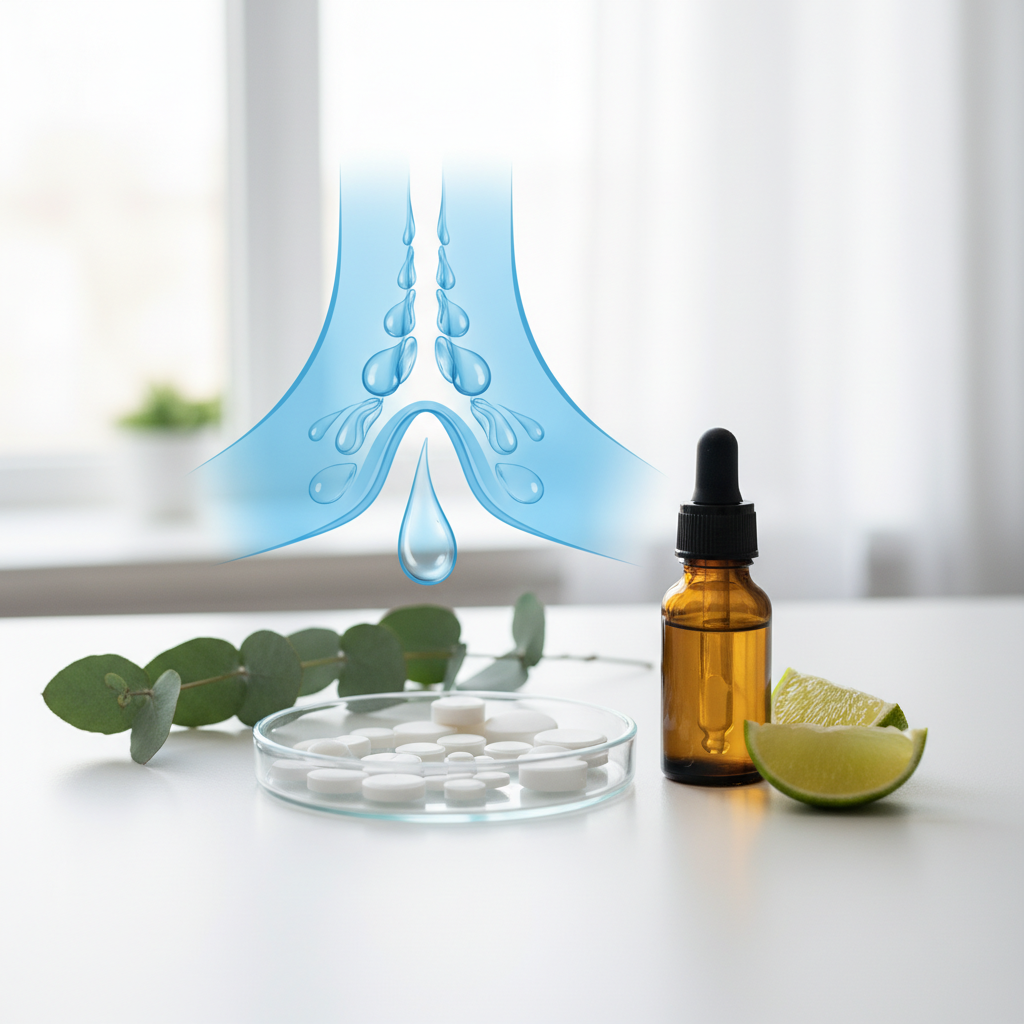
Decongestants are often the first line of defense when you're dealing with a stuffy nose from a cold or allergies. Their primary function is to reduce swelling in the nasal passages. This swelling is caused by inflamed blood vessels, and by narrowing these vessels, decongestants help open up the airways, making it easier to breathe. They are available in two main forms: oral pills or liquids and nasal sprays.
It's important to differentiate between the two forms, as their usage guidelines differ significantly. Oral decongestants, like those containing pseudoephedrine or phenylephrine, provide systemic relief and can last for several hours. Nasal sprays, such as those with oxymetazoline, offer faster, more targeted relief but come with a critical warning. Using them for more than three consecutive days can lead to a phenomenon known as rebound congestion, where the stuffiness returns and can become worse than the original problem.
Oral Decongestants (Pills or Liquids)
Oral decongestants work throughout the body to shrink swollen nasal tissues and blood vessels. The most common active ingredients are pseudoephedrine and phenylephrine. Pseudoephedrine is generally considered more effective and is often located behind the pharmacy counter due to regulations to prevent its misuse. These medications can provide relief for four to six hours, with extended-release versions lasting up to 12 hours. While effective for congestion, they can have side effects like increased heart rate, elevated blood pressure, and feelings of jitteriness or anxiety, so individuals with certain health conditions should consult a doctor before use.
Nasal Decongestant Sprays
Nasal sprays deliver medication directly to the source of the congestion, providing rapid relief that can often be felt within minutes. The active ingredient, typically oxymetazoline or xylometazoline, works by constricting the blood vessels in the lining of the nose. This direct application means less of the medication is absorbed into the bloodstream, reducing the likelihood of systemic side effects compared to oral options. However, their powerful and fast-acting nature is also their biggest drawback. The risk of rebound congestion (rhinitis medicamentosa) is very high if used for more than three days, creating a cycle of dependency and worsening symptoms.
Antihistamines
If your sinus blockage is caused by allergies, antihistamines are a crucial part of treatment. Allergies trigger the release of a chemical called histamine, which causes symptoms like sneezing, itching, a runny nose, and nasal swelling. Antihistamines work by blocking the effects of histamine, thereby alleviating these symptoms and the resulting congestion. They are particularly effective for seasonal allergies (hay fever) or reactions to dust, pet dander, or mold.
There are different generations of antihistamines. Older, first-generation options like diphenhydramine can be very effective but are known for causing significant drowsiness. Newer-generation antihistamines, such as loratadine, cetirizine, and fexofenadine, are formulated to be non-drowsy or less-drowsy, making them more suitable for daytime use. Some over-the-counter sinus medications combine an antihistamine with a decongestant to tackle both allergy symptoms and stuffiness simultaneously.
Nasal Corticosteroids
For persistent sinus congestion, especially when linked to inflammation from allergies or chronic sinusitis, nasal corticosteroid sprays are a highly effective option. Unlike decongestant sprays that provide immediate but short-term relief, corticosteroids work by reducing inflammation over time. Active ingredients like fluticasone, budesonide, and triamcinolone calm the body's inflammatory response in the nasal passages, gradually reducing swelling and mucus production.
These sprays are considered a first-line treatment for chronic sinus issues and are safe for long-term daily use. However, they do not work instantly. It can take several days or even a week of consistent use to experience their full benefits. They are excellent for preventing symptoms before they start, especially if you know your allergy season is approaching. Side effects are typically mild and localized to the nose, such as dryness or a stinging sensation.
Pain Relievers
Sinus blockage is often accompanied by uncomfortable pressure and pain in the face, head, and even teeth. This pain is a direct result of the inflammation and built-up pressure within the sinus cavities. Over-the-counter pain relievers can provide significant relief from this discomfort, even if they don't directly address the congestion itself. Common choices include acetaminophen, which targets pain, and nonsteroidal anti-inflammatory drugs (NSAIDs) like ibuprofen and naproxen, which tackle both pain and inflammation.
By reducing the inflammation that contributes to the swelling, NSAIDs can offer a dual benefit, helping to alleviate some of the pressure while also managing the pain. Combining a pain reliever with a decongestant is a common strategy for comprehensive symptom relief, and many multi-symptom "cold and sinus" products are formulated this way. It is always important to follow the dosage instructions and be aware of potential interactions with other medications you may be taking.
Saline Nasal Sprays and Rinses
While not a medication in the traditional sense, saline (saltwater) sprays and rinses are a cornerstone of sinus care. They are incredibly safe, non-addictive, and effective for clearing sinus blockage. Saline solutions work by moisturizing dry nasal passages and, more importantly, by thinning out thick mucus. This makes it much easier to blow the mucus out of your nose, clearing the passages and relieving pressure.
Saline rinses, often performed with a neti pot or a squeeze bottle system, go a step further by flushing out mucus, allergens, bacteria, and other irritants from the nasal and sinus cavities. This irrigation process not only clears blockage but also helps reduce inflammation. Using sterile, distilled, or previously boiled water is critical for safety when using a rinse system. Saline sprays are a simpler, less-invasive option that can be used multiple times a day to keep nasal tissues moist and clear.
Expectorants
Expectorants are medications designed to thin and loosen mucus, making it easier to clear from the airways. The most common active ingredient is guaifenesin. While it's primarily known for treating chest congestion by making coughs more productive, it can also help with sinus issues. Sinus blockage is often worsened by thick, stubborn mucus that drains down the back of the throat (post-nasal drip).
By thinning this mucus, an expectorant can help it drain more effectively, reducing the feeling of pressure and congestion in both the sinuses and the upper chest. For this reason, guaifenesin is frequently included in multi-symptom cold and flu medications alongside decongestants and pain relievers. Drinking plenty of water is essential when taking an expectorant, as the extra fluid helps the medication work more effectively to thin the mucus.
Understanding What Causes Sinus Blockage
The sinuses are a system of hollow, air-filled cavities located within the skull and connected to the nasal passages. A thin layer of mucus lines them to trap dust, pollutants, and other particles. Tiny hairs called cilia sweep this mucus toward openings that lead to the back of the nose, where it can be swallowed. Sinus blockage, or congestion, occurs when these passages become inflamed and swell shut, trapping air and mucus inside. This creates the telltale pressure and pain associated with sinus problems.
Several conditions can trigger this inflammatory response. The most common cause is the common cold, a viral infection that inflames the nasal membranes. Allergies are another major culprit; when an allergic person is exposed to a trigger like pollen or pet dander, the immune system releases chemicals that cause the nasal lining to swell. A bacterial or viral sinus infection (sinusitis) can also lead to severe inflammation and the production of thick, discolored mucus. Less commonly, structural issues like a deviated septum or the presence of nasal polyps (small, non-cancerous growths) can physically obstruct the sinus drainage pathways, leading to chronic congestion.
Common Questions About Managing Sinus Congestion
When Should You See a Doctor for Sinus Issues?
While most cases of sinus congestion resolve on their own or with over-the-counter treatments, certain signs indicate it's time to consult a healthcare professional. You should make an appointment if your symptoms last for more than 10 days without any improvement. If you experience a high fever (above 101.5°F), severe facial pain or headache, or if your symptoms seem to improve and then suddenly worsen, it could be a sign of a bacterial infection that may require antibiotics.
Other warning signs include vision changes, such as double vision or difficulty seeing, or swelling and redness around one or both eyes. These are rare but can be symptoms of a more serious infection that has spread beyond the sinuses. If you suffer from chronic congestion that lasts for months or frequently recurs, a doctor can help determine if there's an underlying cause like chronic sinusitis, allergies, or a structural issue that needs specialized treatment.
Can Lifestyle and Home Remedies Help Sinus Blockage?
Absolutely. Alongside medication, several home-based strategies can provide significant relief and support recovery. Staying well-hydrated is one of the most important. Drinking plenty of water, juice, or clear broths helps to thin out mucus, making it easier to drain from your sinus passages. Inhaling steam is another effective method. You can do this by taking a hot shower, leaning over a bowl of hot water with a towel over your head, or using a humidifier or vaporizer, especially in your bedroom at night. The warm, moist air helps soothe inflamed nasal tissues and loosen mucus.
Applying a warm compress to your face can also help ease sinus pressure and pain. Simply soak a washcloth in warm water, wring it out, and place it over your nose, cheeks, and forehead. Finally, propping your head up with extra pillows while you sleep can encourage gravity to help your sinuses drain, preventing mucus from pooling and causing blockage overnight. These remedies can be used safely in conjunction with most over-the-counter medications.
What's the Difference Between a Sinus Infection and a Common Cold?
It can be tricky to tell the difference, as a sinus infection (sinusitis) often develops as a complication of a common cold. Both share symptoms like a stuffy or runny nose, cough, and general fatigue. However, there are a few key distinctions. The duration of symptoms is a major clue. A common cold typically peaks within a few days and resolves within a week to 10 days. A sinus infection tends to linger, lasting longer than 10 days without improving.
The nature of the nasal discharge can also be an indicator. While a cold may start with clear mucus that later becomes thicker, the discharge from a bacterial sinus infection is often persistently thick, yellow, or greenish. The most defining symptom of sinusitis is significant facial pain or pressure. This pain is often localized over the affected sinuses—in the forehead, between the eyes, on either side of the nose, or in the upper jaw and teeth—and it tends to worsen when you bend forward. While a cold can cause some stuffiness, it usually doesn't involve this level of targeted facial pain.
Conclusion
Navigating the options for sinus blockage relief involves understanding the underlying cause of your symptoms. Decongestants are effective for short-term relief from swelling, while antihistamines are essential if allergies are the culprit. For long-term inflammation, nasal corticosteroids offer a safe and reliable solution. Ancillary treatments like pain relievers, expectorants, and saline rinses play crucial supporting roles in managing discomfort and clearing mucus. By identifying the type of medication that aligns with your specific symptoms, you can more effectively manage sinus congestion and breathe easier.