Effective Non-Surgical Methods for Reducing Wrinkles: What Really Works
If you're exploring ways to smooth fine lines and wrinkles without surgery, you have more powerful options than ever before. In this guide, we'll break down the most effective non-surgical approaches, comparing everything from potent at-home skincare ingredients to proven in-office treatments.
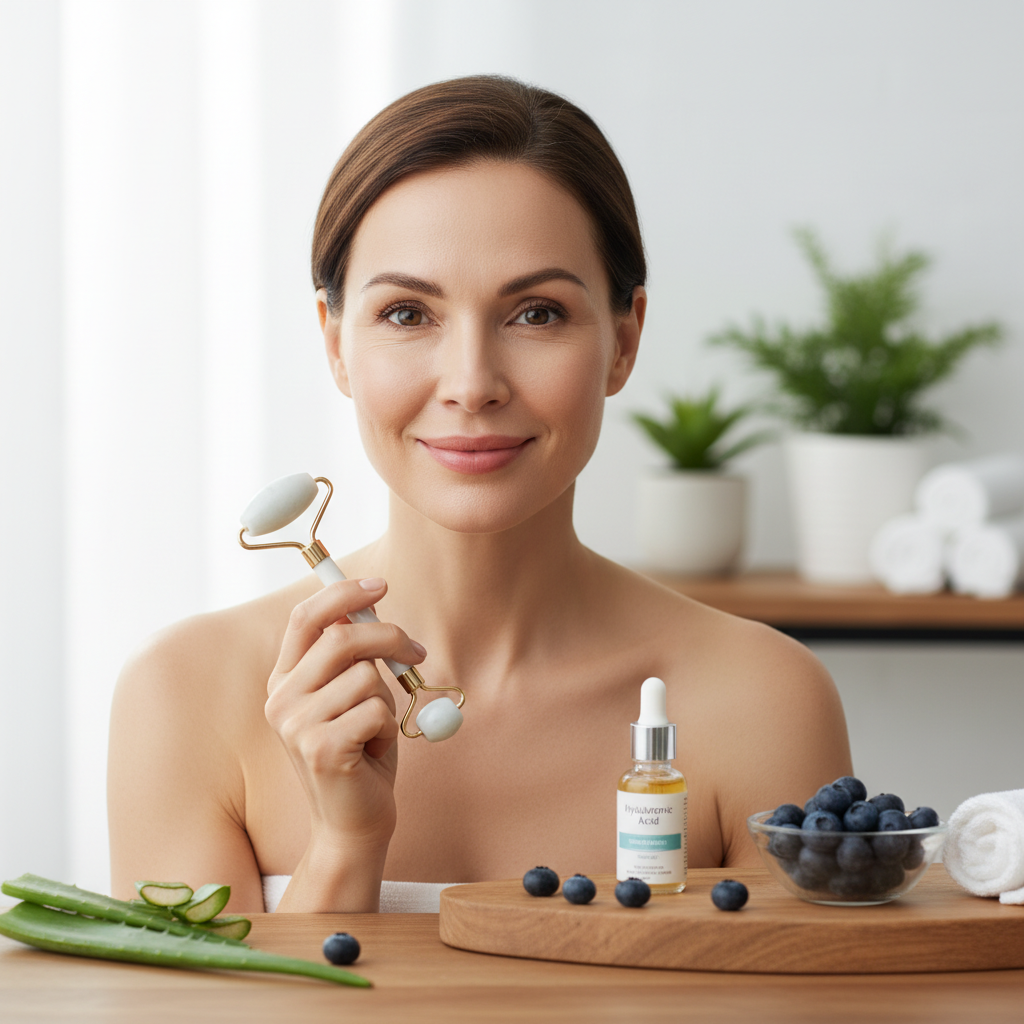
Top Non-Surgical Methods for Wrinkle Reduction
The quest for smoother, more youthful-looking skin doesn't always have to lead to the operating room. A wide array of effective, non-surgical options are available that can significantly reduce the appearance of fine lines and wrinkles. These methods range from powerful topical treatments you can use at home to professional procedures performed by dermatologists or licensed aestheticians. Below, we explore some of the most effective and popular ways to combat wrinkles without going under the knife.
1. Topical Retinoids (Tretinoin and Retinol)
Often considered the gold standard in topical anti-aging, retinoids are derivatives of Vitamin A that have been extensively studied for their ability to improve skin texture and reduce wrinkles. Prescription-strength retinoids, like Tretinoin, work by accelerating skin cell turnover, which means old, damaged cells are shed more quickly to make way for new, healthier ones. This process helps to unclog pores, smooth the skin's surface, and diminish the appearance of fine lines. Furthermore, retinoids stimulate the production of collagen, the protein responsible for skin's firmness and elasticity, which naturally depletes with age.
Over-the-counter options, typically containing retinol, are less potent but still effective for many individuals. While they take longer to show results compared to their prescription counterparts, they are a great starting point for those new to Vitamin A products. When using any retinoid, it's crucial to start slowly (a few times a week) to allow your skin to acclimate and to always use a broad-spectrum sunscreen during the day, as retinoids can make your skin more sensitive to the sun.
2. Consistent Use of Broad-Spectrum Sunscreen
While it may sound more preventative than corrective, the single most important thing you can do to reduce the future development of wrinkles—and soften existing ones—is to use sunscreen every single day. The sun's ultraviolet (UV) rays are the primary cause of extrinsic aging, a process known as photoaging. UVA rays penetrate deep into the skin's dermis, where they damage collagen and elastin fibers, leading to sagging, fine lines, and wrinkles. UVB rays primarily affect the skin's surface, causing sunburn and contributing to skin cancer.
By wearing a broad-spectrum sunscreen with an SPF of 30 or higher daily, you protect your skin from this ongoing damage. This protection gives your skin a chance to repair itself, allowing natural regenerative processes to function without the constant assault of UV radiation. Over time, this consistent defense can lead to a visible improvement in skin texture and a reduction in the appearance of fine lines that were exacerbated by sun exposure.
3. Neuromodulators (Botox, Dysport, Xeomin)
Neuromodulators are injectable treatments designed to target dynamic wrinkles—the lines formed by repeated muscle movements like frowning, squinting, or raising your eyebrows. These products contain a purified form of botulinum toxin that, when injected in tiny amounts into specific muscles, temporarily blocks the nerve signals that cause those muscles to contract. As the muscles relax, the overlying skin smooths out, significantly reducing the appearance of crow's feet, forehead lines, and the "11s" between the brows.
The procedure is quick, typically taking only 10-15 minutes, with minimal downtime. Results begin to appear within a few days and generally last for about three to four months, after which the muscle action gradually returns. It's a highly effective treatment for dynamic wrinkles but does not address static wrinkles (lines that are present when your face is at rest) or volume loss, which are better treated with other methods like fillers or retinoids.
4. Dermal Fillers (Hyaluronic Acid-Based)
As we age, our skin loses collagen, elastin, and subcutaneous fat, leading to a loss of volume and the formation of static wrinkles and hollows. Dermal fillers are injectable gels designed to quite literally "fill in" these areas. The most common type of filler is made from hyaluronic acid (HA), a substance that naturally occurs in our skin and helps it retain moisture and volume. When injected beneath the skin, HA fillers can smooth out nasolabial folds (smile lines), marionette lines, and other deep-set wrinkles by restoring lost volume.
Beyond simply filling space, these fillers also provide structural support and can stimulate your body's own collagen production over time. The results are immediate and can last anywhere from six months to over a year, depending on the specific product used and the area treated. Fillers are excellent for addressing volume loss and static wrinkles that neuromodulators can't treat.
5. Chemical Peels
A chemical peel is a professional skin resurfacing procedure that involves applying a chemical solution to the skin, causing it to exfoliate and eventually peel off. This process removes the damaged outer layers of skin, revealing a new, smoother, and less wrinkled layer underneath. Peels come in various strengths, from superficial (light) peels that use mild acids like glycolic or salicylic acid to medium and deep peels that use stronger solutions for more dramatic results.
Superficial peels are great for fine lines, mild sun damage, and improving overall skin texture with minimal downtime. Medium peels can target more moderate wrinkles and uneven skin tone but require a longer recovery period. By removing the dull, outer layer of skin and stimulating collagen production in the deeper layers, chemical peels can lead to a significant improvement in the appearance of wrinkles and give the skin a refreshed, revitalized glow.
6. Microneedling (Collagen Induction Therapy)
Microneedling is a procedure that uses a device equipped with fine, tiny needles to create thousands of microscopic punctures in the top layer of the skin. These controlled micro-injuries trigger the body's natural wound-healing response, which includes a significant increase in the production of collagen and elastin. This flood of new collagen helps to plump the skin, fill in fine lines and wrinkles, and improve overall texture and firmness.
The procedure is minimally invasive with a relatively short recovery time, typically involving some redness and mild swelling for a day or two. For best results, a series of treatments is usually recommended, spaced about four to six weeks apart. Microneedling is effective for a wide range of concerns, including fine lines, acne scars, and enlarged pores, making it a versatile non-surgical option for skin rejuvenation.
Why Do Wrinkles Form in the First Place?
Understanding how to treat wrinkles begins with understanding why they appear. The formation of wrinkles is a complex biological process influenced by two main factors: intrinsic and extrinsic aging. Differentiating between the two helps clarify why certain treatments are effective and why a comprehensive approach is often best.
Intrinsic aging is the natural, genetically determined aging process that occurs over time, regardless of external influences. As we get older, our bodies produce less collagen, elastin, and hyaluronic acid—the key molecules that give skin its youthful structure, firmness, and hydration. Cell turnover slows down, and the skin's underlying fat pads begin to diminish and shift. This internal process leads to thinner, drier skin that is less elastic and more prone to forming fine lines and developing a slight sag.
Extrinsic aging, on the other hand, is caused by external environmental and lifestyle factors that accelerate the natural aging process. The number one contributor to extrinsic aging is sun exposure (photoaging). UV radiation breaks down collagen and elastin fibers at a much faster rate than intrinsic aging alone. Other major factors include smoking, which constricts blood vessels and deprives the skin of oxygen and nutrients, and repetitive facial expressions, which cause dynamic wrinkles to eventually become etched into the skin as static lines. Pollution, poor diet, and stress also contribute to the formation of free radicals that damage skin cells and speed up the appearance of aging.
Common Questions About Non-Surgical Wrinkle Treatments
Can Lifestyle Changes Really Reverse Wrinkles?
While lifestyle changes may not completely reverse deep-set, static wrinkles, they can have a profound impact on the overall appearance and health of your skin, softening fine lines and preventing new ones from forming. The most impactful change is diligent sun protection. By preventing further UV damage, you allow the skin's natural repair mechanisms to function optimally, which can lead to a gradual improvement in texture and tone. Staying well-hydrated by drinking plenty of water helps keep skin cells plump and can diminish the look of fine lines caused by dehydration.
Furthermore, a diet rich in antioxidants—found in fruits, vegetables, and nuts—can help combat free radical damage that accelerates aging. Getting adequate sleep is also crucial, as the skin undergoes its primary repair and regeneration processes while you rest. Quitting smoking is another powerful step, as it improves blood flow to the skin, allowing for better delivery of oxygen and essential nutrients. While these habits are foundational, they work best in conjunction with targeted treatments for more significant wrinkle reduction.
What's the Difference Between Retinol and Prescription Retinoids?
The terms retinol and retinoid are often used interchangeably, but they refer to different strengths and forms of Vitamin A derivatives. The key difference lies in their chemical structure and how they work on the skin. Prescription retinoids, such as Tretinoin (Retin-A), contain retinoic acid, which is the active form of Vitamin A that skin cells can use directly. Because it doesn't need to be converted, it is highly potent and works relatively quickly to stimulate cell turnover and collagen production, making it very effective for wrinkles and acne.
Retinol, which is available in over-the-counter products, needs to undergo a two-step conversion process in the skin to become retinoic acid. First, it converts to retinaldehyde, and then to retinoic acid. With each conversion step, some potency is lost. This makes retinol gentler and less irritating than prescription retinoids, but also slower to produce visible results. It's an excellent choice for those with sensitive skin or who are just beginning their anti-aging journey, while prescription-strength options are for those seeking more dramatic and faster results under medical supervision.
How Long Do the Results of Injectable Treatments Last?
The duration of results from injectable treatments like neuromodulators and dermal fillers varies depending on the product used, the area treated, and an individual's metabolism. For neuromodulators such as Botox or Dysport, the muscle-relaxing effects typically last for about three to four months. As the product wears off, nerve signals to the muscles are no longer blocked, and the muscles regain their ability to contract. To maintain a smooth appearance, follow-up treatments are necessary.
Dermal fillers, particularly those made from hyaluronic acid, tend to last longer. Depending on the specific formulation—its thickness and cross-linking—and the location of the injection, results can last anywhere from six months to two years. For example, fillers used in areas with a lot of movement, like the lips, may break down more quickly than those used in less mobile areas like the cheeks. Over time, the body naturally and gradually absorbs the filler material.
Conclusion
Reducing wrinkles without surgery is more achievable today than ever before, thanks to a combination of powerful at-home skincare and advanced in-office procedures. From the proven efficacy of topical retinoids and daily sunscreen to the targeted results of injectables and professional treatments like microneedling, there are numerous paths to smoother skin. The best approach often involves a combination of these methods, tailored to an individual's specific skin concerns, goals, and lifestyle. Protecting your skin from the sun remains the foundational step, while other treatments can effectively address existing signs of aging for a more refreshed and confident appearance.