Effective Pill Options for Managing Gout Pain Safely
Finding the right medication for gout pain can be a confusing journey, but you're in the right place for clarity.
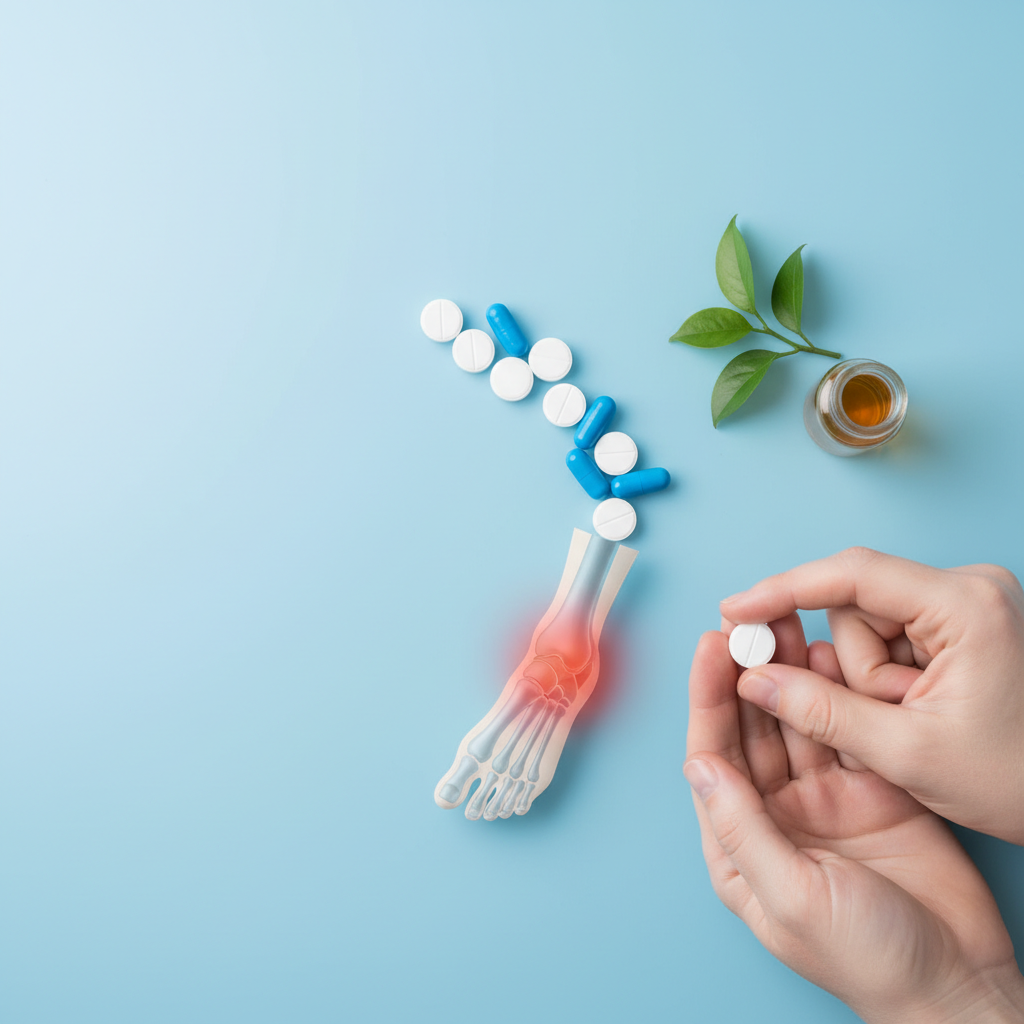
Pills That Help With Gout Pain: A Comprehensive Guide
Gout is a form of inflammatory arthritis characterized by sudden, severe attacks of pain, swelling, redness, and tenderness in one or more joints, most often in the big toe. These attacks, known as gout flares, happen when high levels of uric acid in the blood lead to the formation of urate crystals in a joint. Managing gout typically involves a two-pronged approach: treating the immediate pain and inflammation of an acute attack and implementing a long-term strategy to prevent future flares by lowering uric acid levels. A variety of pills are available to achieve these goals, prescribed based on a person's health status and the severity of their condition.
Medications for Acute Gout Attacks
When a gout flare strikes, the primary goal is to quickly reduce pain and inflammation. The following types of pills are commonly used for immediate relief.
Nonsteroidal Anti-Inflammatory Drugs (NSAIDs)
NSAIDs are often the first-line treatment for acute gout attacks because they are effective at reducing both pain and inflammation. These medications work by blocking enzymes called cyclooxygenase (COX), which are involved in the production of prostaglandins—compounds that promote inflammation, pain, and fever. For gout, higher prescription-strength doses are typically more effective than the over-the-counter versions.
Commonly prescribed NSAIDs for gout include naproxen (Naprosyn), indomethacin (Indocin), and celecoxib (Celebrex). While over-the-counter options like ibuprofen (Advil, Motrin IB) are also used, a doctor may recommend a specific type and dosage for maximum effectiveness. Treatment with NSAIDs usually begins as soon as an attack is noticed and continues for a few days after the symptoms have completely subsided to prevent a rebound flare.
Colchicine
Colchicine is a medication that has been used for centuries to treat gout. It is not a general pain reliever like an NSAID but is highly specific for gout-related inflammation. Its exact mechanism isn't fully understood, but it's believed to work by disrupting the inflammatory process triggered by uric acid crystals. It prevents immune cells called neutrophils from migrating to the affected joint, thereby reducing swelling and pain.
This medication is most effective when taken within the first 12 to 24 hours of a gout flare. It is typically prescribed as two pills to start, followed by a third pill an hour later. Due to potential side effects like nausea, vomiting, and diarrhea, it's crucial to follow the prescribed dosage carefully. Doctors may also prescribe a low daily dose of colchicine to help prevent future attacks, especially when a person first starts taking a uric acid-lowering medication.
Corticosteroids
Corticosteroids, such as prednisone, are powerful anti-inflammatory medications that can be highly effective in treating a gout attack. They work by suppressing the body's overall immune response, which quickly calms the intense inflammation caused by urate crystals. Corticosteroids are a valuable option for people who cannot take NSAIDs or colchicine due to other health conditions, such as kidney disease or a history of stomach ulcers.
These medications can be administered in several ways, but for a widespread or severe gout attack, they are often given as oral pills. A doctor might prescribe a course of prednisone that starts with a higher dose and then gradually tapers down over 7 to 10 days. This tapering is important to allow the body's natural hormone production to resume normally and to prevent a rebound flare-up of symptoms.
Medications to Prevent Future Gout Flares
Once an acute attack is under control, the focus shifts to long-term management to prevent recurrences. These medications are not for pain relief during a flare but are taken daily to lower the level of uric acid in the blood.
Xanthine Oxidase Inhibitors (XOIs)
Xanthine oxidase inhibitors are the most common type of medication used to prevent gout. They work by blocking xanthine oxidase, an enzyme in the body that is essential for producing uric acid. By inhibiting this enzyme, XOIs reduce the overall production of uric acid, lowering its concentration in the bloodstream. This prevents new urate crystals from forming and allows existing crystals to slowly dissolve over time.
The most widely prescribed XOI is allopurinol (Zyloprim, Lopurin). Another option is febuxostat (Uloric), which may be recommended for individuals who cannot tolerate allopurinol or for whom it isn't effective enough. These medications are taken daily on a long-term basis, and it can take several months for them to lower uric acid levels sufficiently to stop gout attacks completely.
Uricosurics
Uricosuric agents work differently from XOIs. Instead of reducing the production of uric acid, they help the body get rid of it more efficiently. These medications act on the kidneys, increasing their ability to filter uric acid from the blood and excrete it through urine. This approach is particularly useful for individuals whose gout is caused by their kidneys not removing uric acid effectively, a condition known as "under-excretion."
Probenecid is the most common uricosuric medication. It is often prescribed when XOIs are not effective or tolerated. Because uricosurics increase the amount of uric acid in the urine, there can be an increased risk of forming kidney stones. To mitigate this risk, doctors usually advise patients to drink plenty of water throughout the day to help keep the urine diluted and flowing freely.
Understanding Gout: What Causes the Intense Pain?
To understand why these medications are effective, it’s helpful to know what’s happening in the body during a gout attack. Gout is fundamentally a problem of metabolism. It begins with hyperuricemia, a condition where there is too much uric acid in the blood. Uric acid is a natural waste product formed when the body breaks down purines—substances found in human cells and in many foods, such as red meat, organ meats, and certain types of seafood.
When uric acid levels become too high, either because the body produces too much or the kidneys excrete too little, it can form microscopic, needle-like crystals of monosodium urate. These sharp crystals tend to accumulate in the joints or surrounding tissues. The body’s immune system perceives these crystals as foreign invaders and launches a powerful inflammatory response. White blood cells rush to the area, engulfing the crystals and releasing inflammatory signals called cytokines. This chemical cascade leads to the classic symptoms of a gout attack: excruciating pain, intense swelling, deep redness, and a feeling of heat in the affected joint.
Frequently Asked Questions About Gout Medication
Navigating a gout diagnosis often comes with many questions about treatment. Here are answers to some common queries.
Can Over-the-Counter Pain Relievers Be Used for Gout?
Yes, certain over-the-counter (OTC) pain relievers can be helpful during a gout flare, specifically NSAIDs. Medications like ibuprofen (Advil, Motrin) and naproxen sodium (Aleve) are available without a prescription and can help reduce both pain and inflammation. For many people, starting an OTC NSAID at the first sign of an attack can provide significant relief. However, the doses required to fully control a gout flare may be higher than the standard OTC recommendations, which is why a doctor might suggest a prescription-strength version.
It is critically important to avoid one specific OTC pain reliever: low-dose aspirin. While high doses of aspirin can lower uric acid, the low doses commonly used for heart health can actually have the opposite effect, raising uric acid levels and potentially worsening a gout attack. Anyone taking low-dose aspirin for cardiovascular protection should consult their doctor before stopping or changing their dosage.
How Long Do You Need to Take Gout Medication?
The duration of treatment depends entirely on the type of medication. Pills for acute attacks, such as NSAIDs, colchicine, and corticosteroids, are intended for short-term use. They are taken only during a flare-up and are typically continued for just a few days after symptoms have resolved to ensure the attack is fully over. They do not address the underlying cause of gout and are not meant for continuous daily use.
In contrast, medications designed to prevent future flares by lowering uric acid levels, like allopurinol or febuxostat, are long-term treatments. For most people, this means taking a pill every day for life. The goal is to keep uric acid levels consistently below a target threshold (usually under 6.0 mg/dL) to prevent new crystals from forming and to dissolve existing ones. Stopping these medications will cause uric acid levels to rise again, leading to a return of gout attacks.
Are There Lifestyle Changes That Complement Gout Medication?
Absolutely. While medication is the cornerstone of effective gout management, lifestyle and dietary modifications play a crucial supporting role. These changes can help lower uric acid levels naturally and reduce the frequency and severity of flares. One of the most important factors is diet. This involves limiting foods high in purines, such as red meat, organ meats (like liver), and certain seafood like anchovies, sardines, and mussels.
Staying well-hydrated by drinking plenty of water helps the kidneys flush out uric acid. Limiting alcohol, especially beer and hard liquor, is also key, as alcohol can both increase uric acid production and hinder its excretion. Additionally, maintaining a healthy weight through regular, low-impact exercise can reduce stress on the joints and lower uric acid levels over time. These lifestyle adjustments work in tandem with medication to provide a comprehensive strategy for managing gout.
Conclusion
Managing gout pain involves a clear, two-part strategy: fast-acting medications to control the intense pain and inflammation of an acute flare, followed by long-term preventative medications to lower uric acid levels and stop attacks from recurring. Pills like NSAIDs, colchicine, and corticosteroids are effective for immediate relief, while daily medications such as allopurinol and probenecid address the root cause of the condition. By working with a healthcare provider to determine the right combination of medication and supportive lifestyle changes, individuals with gout can effectively manage their symptoms and improve their quality of life.
For further reading and information, you can visit: