Effective Skin Care Routines to Gracefully Embrace Aging
Navigating the world of skincare for aging skin can feel overwhelming, but the most effective routines are often surprisingly simple. We're breaking down the essential daily steps, from the right way to cleanse and treat your skin to the importance of moisturizing and sun protection.
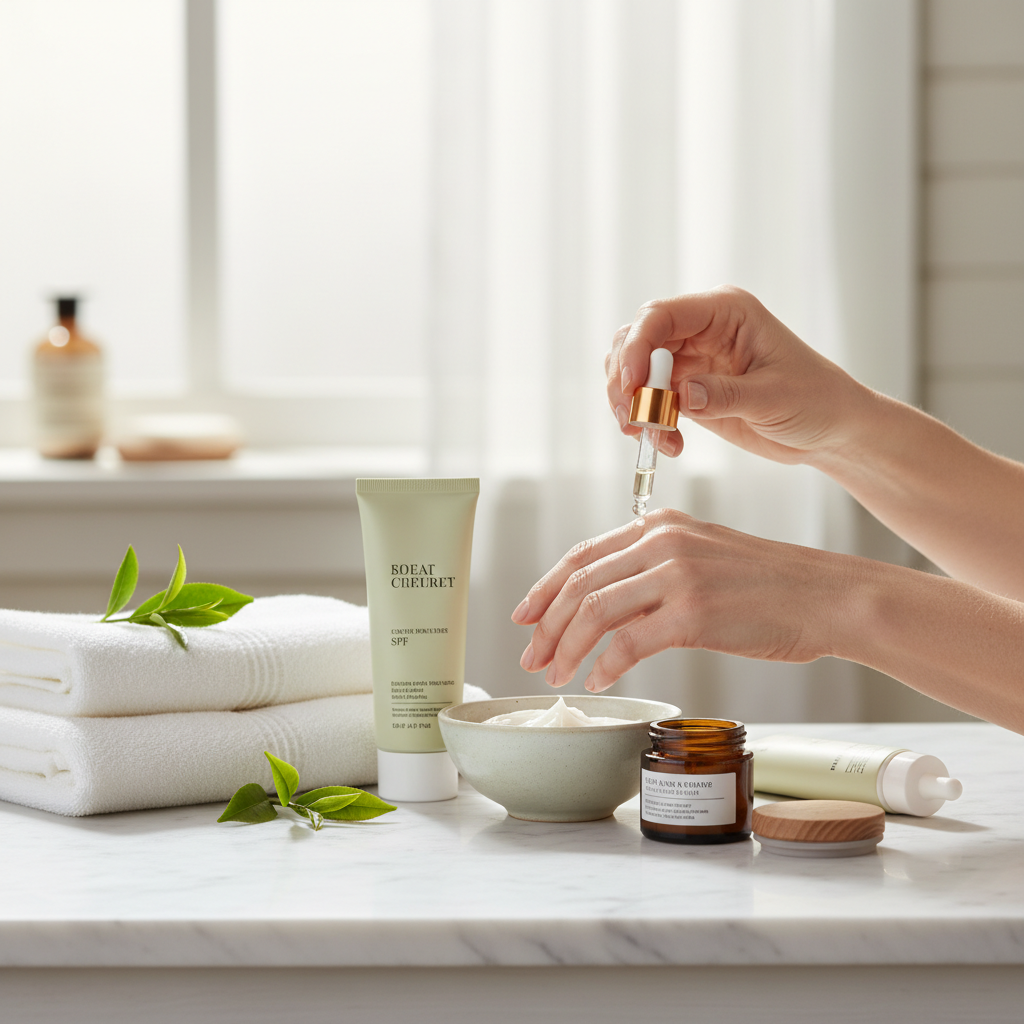
The Essential Steps in an Anti-Aging Skincare Routine
As skin matures, its needs change. The production of collagen and elastin, the proteins responsible for skin's firmness and elasticity, naturally slows down. Cell turnover decreases, and the skin's natural barrier can become weaker, leading to dryness, fine lines, wrinkles, and a loss of radiance. A well-structured skincare routine can effectively address these changes, helping to maintain skin health, improve its texture, and minimize the visible signs of aging. The key is consistency and using products with ingredients proven to support mature skin.
Building an effective anti-aging routine isn't about finding a single miracle product, but rather about layering complementary ingredients in the correct order. This ensures that each product can penetrate the skin effectively and perform its specific function, from cleansing and protecting to repairing and hydrating. Below is a comprehensive guide to the essential steps for a morning and evening routine tailored to aging skin.
Step 1: Gentle Cleansing
The first step in any skincare routine is cleansing, but for mature skin, the type of cleanser used is crucial. As we age, our skin produces less sebum (natural oil), which can lead to dryness and a compromised moisture barrier. Harsh, stripping cleansers that leave the skin feeling "squeaky clean" can exacerbate this issue, causing irritation, tightness, and inflammation. Instead, it's vital to opt for a gentle, hydrating cleanser that effectively removes makeup, dirt, and impurities without stripping away essential lipids.
Look for cream, oil, or milky cleansers formulated with moisturizing ingredients like glycerin, hyaluronic acid, and ceramides. These formulas cleanse the skin while helping to replenish its moisture barrier. When cleansing, use lukewarm water, as hot water can also be drying. Massage the cleanser into your skin with your fingertips in gentle, circular motions and pat your face dry with a soft towel, avoiding any harsh rubbing that could stretch or irritate the skin.
Step 2: Applying Antioxidant Serums (Morning)
After cleansing in the morning, the next critical step is applying an antioxidant serum. Antioxidants are powerful molecules that help protect the skin from environmental aggressors like UV radiation and pollution. These aggressors generate free radicals, unstable molecules that cause oxidative stress, breaking down collagen and accelerating the aging process. A potent antioxidant serum acts as a shield, neutralizing free radicals before they can cause damage.
Vitamin C is considered the gold standard antioxidant in skincare. It not only protects the skin but also helps brighten the complexion, fade hyperpigmentation, and stimulate collagen production. Look for a serum containing L-ascorbic acid, the most potent form of Vitamin C, at a concentration between 10% and 20%. Other beneficial antioxidants to look for include Vitamin E (often paired with Vitamin C to boost its effectiveness), ferulic acid, and niacinamide.
Step 3: Incorporating Retinoids (Evening)
If sunscreen is the ultimate protector, retinoids are the ultimate correctors. This class of Vitamin A derivatives is one of the most studied and proven anti-aging ingredients available. Retinoids work by binding to receptors in skin cells, accelerating cell turnover and encouraging the production of new, healthy cells. This process helps to unclog pores, smooth skin texture, reduce the appearance of fine lines and wrinkles, and boost collagen production over time.
Retinoids come in various strengths, from over-the-counter options like retinol and retinaldehyde to prescription-strength tretinoin. If you are new to retinoids, it is essential to start slowly to allow your skin to acclimate. Begin by using a low-concentration product just two or three nights a week, gradually increasing the frequency as your skin builds tolerance. Always apply retinoids to dry skin in the evening, as they can cause sun sensitivity, and follow up with a good moisturizer to combat potential dryness and irritation.
Step 4: Hydrating with a Targeted Moisturizer
Moisturizing is non-negotiable for all skin types, but it's especially critical for aging skin, which is naturally prone to dryness and dehydration. A good moisturizer does more than just add hydration; it also helps to lock in the ingredients from your serums and strengthen the skin's protective barrier. A strong barrier is essential for keeping moisture in and irritants out, leading to plumper, healthier-looking skin.
For a daytime moisturizer, choose a formula that is hydrating but not overly heavy, so it sits well under sunscreen and makeup. For the evening, you can opt for a richer, more nourishing cream. Key ingredients to look for in a moisturizer for aging skin include hyaluronic acid, a humectant that draws water into the skin; ceramides, which are lipids that form the skin's barrier; peptides, which are amino acid chains that can signal the skin to produce more collagen; and niacinamide, which helps improve elasticity and reduce redness.
Step 5: Protecting with Broad-Spectrum Sunscreen (Morning)
Dermatologists universally agree that daily sunscreen use is the single most important anti-aging step you can take. Up to 80% of the visible signs of aging, such as wrinkles, fine lines, and dark spots, are caused by unprotected exposure to the sun's ultraviolet (UV) rays. Sun damage, also known as photoaging, breaks down collagen and elastin fibers, leading to sagging skin and a loss of firmness over time. Therefore, protecting your skin from the sun is paramount.
It is essential to use a broad-spectrum sunscreen with an SPF of 30 or higher every single day, regardless of the weather or whether you plan to be indoors or outdoors. "Broad-spectrum" means it protects against both UVA rays (the "aging" rays) and UVB rays (the "burning" rays). Apply it generously as the final step in your morning skincare routine, about 15-20 minutes before sun exposure, and be sure to reapply every two hours if you are sweating or swimming.
Step 6: Using a Nourishing Eye Cream
The skin around the eyes is significantly thinner and more delicate than the skin on the rest of the face, making it one of the first areas to show signs of aging like fine lines, crow's feet, and puffiness. While your regular facial moisturizer can be used around the eyes, a dedicated eye cream is often formulated to be gentler and to target specific concerns common to this area. These products are typically tested by ophthalmologists to ensure they are safe for use around the sensitive eye region.
When selecting an eye cream, look for ingredients that address your primary concerns. Peptides can help to firm the skin and improve the appearance of fine lines. Retinol-based eye creams can boost collagen but should be used with care to avoid irritation. For puffiness, ingredients like caffeine can help to temporarily constrict blood vessels. Hyaluronic acid and ceramides are excellent for hydrating and plumping the delicate skin. Apply a small, pea-sized amount using your ring finger, gently tapping it around the orbital bone, both morning and night.
Understanding the Science of Skin Aging
The process of skin aging is complex and influenced by both internal and external factors. Intrinsic aging is the natural, chronological process dictated by our genetics. Over time, our bodies produce less collagen, elastin, and hyaluronic acid. Cell turnover slows, and the skin's structure begins to weaken, leading to thinner, drier skin and the formation of fine lines. This process is inevitable and happens to everyone.
Extrinsic aging, on the other hand, is caused by external environmental and lifestyle factors. The primary driver of extrinsic aging is sun exposure (photoaging), which drastically accelerates the breakdown of collagen and leads to wrinkles, sagging, and hyperpigmentation. Other significant factors include pollution, smoking, poor diet, and chronic stress. While intrinsic aging cannot be stopped, the effects of extrinsic aging can be significantly mitigated through a protective skincare routine and healthy lifestyle choices, making it the area where we have the most control.
Common Questions About Caring for Aging Skin
Do lifestyle factors really impact skin aging?
Absolutely. While genetics and a good skincare routine play a large role, lifestyle choices have a profound impact on how your skin ages. A diet rich in antioxidants, vitamins, and healthy fats can provide the building blocks for healthy skin cells and help fight oxidative stress from within. Conversely, a diet high in sugar and processed foods can lead to glycation, a process where sugar molecules damage collagen and elastin, making skin more brittle and prone to wrinkling.
Adequate sleep is also crucial, as this is when the skin undergoes its most intensive repair and regeneration processes. Chronic stress elevates cortisol levels, which can break down collagen and trigger inflammation. Lastly, habits like smoking and excessive alcohol consumption are incredibly damaging. Smoking constricts blood vessels, depriving the skin of oxygen and nutrients, while alcohol dehydrates the skin and can cause long-term inflammation and redness.
When should you start an anti-aging routine?
There is no magic age to begin an "anti-aging" routine, but most dermatologists agree that prevention is far more effective than correction. The best time to start is in your mid-to-late 20s. This is when the natural decline in collagen production typically begins, even if the visible signs aren't yet apparent. The most important preventative step at any age is diligent, daily use of broad-spectrum sunscreen.
In your 20s and early 30s, the focus should be on protection and prevention. This includes daily sunscreen, incorporating an antioxidant serum, and ensuring proper hydration. As you move into your late 30s, 40s, and beyond, you can begin to introduce more corrective ingredients like retinoids and peptides to address existing signs of aging and further stimulate collagen production. The key is to start with the basics and add more targeted treatments as your skin's needs evolve.
Building a Consistent and Effective Routine
Creating an effective skincare routine for aging skin is about selecting products with proven ingredients and applying them consistently. The foundational pillars are gentle cleansing, antioxidant protection in the morning, repair with ingredients like retinoids at night, consistent moisturization, and non-negotiable daily sun protection. By understanding what your skin needs and committing to a daily regimen, you can significantly support its health, resilience, and appearance for years to come.