Effective Strategies for Alleviating Sinus Infections
That pounding headache and facial pressure from a sinus infection can make it hard to think about anything else. You're looking for fast relief, but the best approach isn't always the most obvious one.
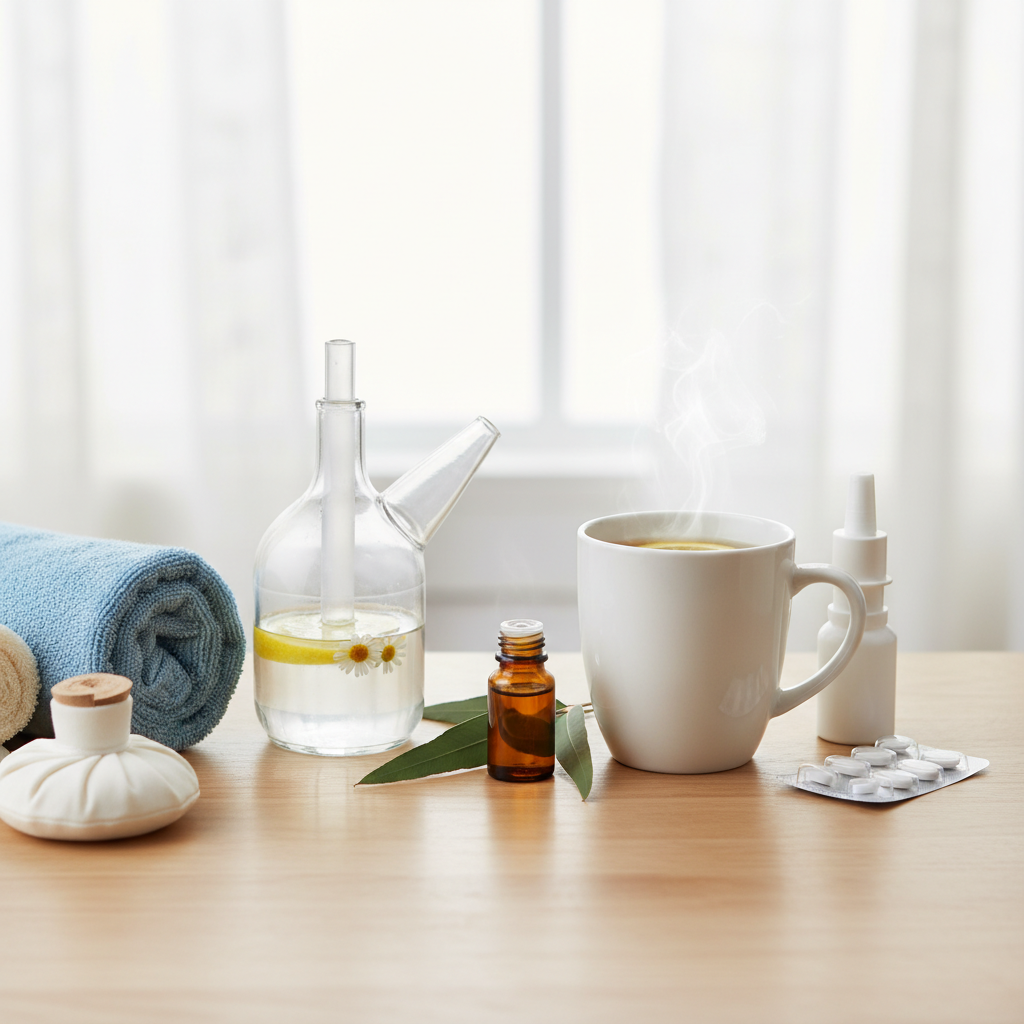
Effective Methods for Sinus Relief
A sinus infection, or sinusitis, occurs when your nasal cavities become inflamed and swollen. This can be caused by a virus, bacteria, or even allergies. The resulting pressure, pain, and congestion can be incredibly uncomfortable. Fortunately, there are numerous effective ways to manage symptoms and help your body recover. These methods range from simple at-home remedies to medical treatments prescribed by a doctor.
1. Nasal Irrigation
Nasal irrigation is a time-tested technique for flushing out the nasal passages. By using a saline (saltwater) solution, you can wash away mucus, allergens, and other irritants that contribute to congestion. This process helps to thin out thick mucus, making it easier to expel, and can soothe inflamed sinus tissues. The most common tools for this are a neti pot, a squeeze bottle, or a bulb syringe. It is crucial to use distilled, sterile, or previously boiled water to avoid introducing harmful bacteria into your sinuses. Regular tap water is not safe for this purpose.
To perform nasal irrigation, you mix non-iodized salt with lukewarm sterile water and lean over a sink, tilting your head to one side. You then pour or squeeze the solution into the upper nostril, allowing it to flow through your nasal cavity and out the other nostril. This process is then repeated on the other side. While it may feel strange at first, many people find it provides immediate and significant relief from pressure and congestion. It’s a natural, medication-free option that can be used alongside other treatments.
2. Steam Inhalation
Moisture is one of the best remedies for irritated sinus passages, and steam is an excellent way to deliver it directly where it's needed. Inhaling steam helps to moisten the nasal cavities, which can thin out stubborn mucus and reduce inflammation. This makes it easier to breathe and can alleviate the painful pressure associated with sinusitis. A simple way to do this is to fill a bowl with hot water, lean over it with a towel draped over your head to trap the steam, and breathe deeply for 10-15 minutes.
You can also achieve similar benefits by taking a long, hot shower or by using a humidifier or vaporizer in your room, especially while you sleep. Keeping the air in your home moist prevents your nasal passages from drying out, which is particularly helpful in dry climates or during winter when indoor heating is in use. Adding a few drops of eucalyptus or peppermint oil to the hot water can provide an additional soothing sensation, as the menthol can help open up the airways.
3. Warm Compresses
One of the most prominent symptoms of a sinus infection is the feeling of pressure and pain in the face, specifically around the eyes, nose, and forehead. Applying a warm compress to these areas can provide immediate comfort. The warmth helps to increase blood circulation to the area and can ease the pain by gently loosening congestion. It’s a simple, soothing remedy that can be done multiple times a day as needed.
To make a warm compress, simply soak a washcloth in warm (not hot) water, wring out the excess, and place it over your nose, cheeks, and forehead. Lie back and relax for 10-15 minutes, allowing the warmth to penetrate and soothe the tender areas. You can re-warm the cloth as it cools down. This is a safe and easy way to manage facial pain without medication and can be particularly relaxing before bedtime.
4. Staying Hydrated
While it might seem basic, proper hydration is absolutely critical when you're fighting any kind of infection, including sinusitis. Drinking plenty of fluids, especially water, helps to thin out the mucus in your sinuses. When mucus is thin, it's much easier for your body to drain it from the congested passages, which relieves pressure and helps clear the infection faster. Dehydration, on the other hand, causes mucus to become thick and sticky, making the problem worse.
Aim to drink water throughout the day. Warm beverages like herbal tea with honey and lemon or clear broth can be especially beneficial. Not only do they contribute to your fluid intake, but the steam from the hot liquid also provides some of the benefits of steam inhalation, helping to soothe a sore throat and open nasal passages. Avoid sugary drinks and excessive caffeine, as they can lead to dehydration.
5. Over-the-Counter (OTC) Medications
For many people, over-the-counter medications are a key part of managing sinus infection symptoms. Decongestants, available as pills or nasal sprays, work by narrowing blood vessels in the nasal passages, which reduces swelling and congestion. However, nasal decongestant sprays should not be used for more than three days in a row, as prolonged use can cause rebound congestion, making symptoms worse. Oral decongestants can also have side effects like increased heart rate or blood pressure for some individuals.
Pain relievers such as ibuprofen (Advil, Motrin) or acetaminophen (Tylenol) are also very effective. These can reduce the headache, facial pain, and any fever associated with the infection. Some products combine a pain reliever with a decongestant in one pill. It's important to read the labels carefully to understand what you're taking and to follow the dosage instructions. If you have any pre-existing health conditions, it's always best to consult with a pharmacist or doctor before starting a new OTC medication.
6. Prescription Medications
When a sinus infection is caused by bacteria and doesn't improve with at-home care, a doctor may prescribe antibiotics. It's important to understand that antibiotics are only effective against bacterial infections, not viral ones, which are the more common cause of sinusitis. A doctor will typically diagnose a bacterial infection based on the duration and severity of symptoms, such as symptoms lasting longer than 10 days or a "double-sickening" pattern where you start to get better and then suddenly get worse.
In addition to antibiotics, a doctor might prescribe other medications. Oral or nasal corticosteroids can be used to reduce inflammation in the sinuses, which is especially helpful for severe congestion or for those with chronic sinusitis. If allergies are a contributing factor, prescription-strength antihistamines or other allergy medications may also be recommended. Always take prescription medication exactly as directed by your doctor and complete the full course, even if you start to feel better.
Understanding What a Sinus Infection Really Is
Before you can effectively treat a sinus infection, it helps to understand what’s happening inside your head. Your sinuses are a system of hollow, air-filled cavities located within your skull, connecting to your nasal passages. They are lined with a thin membrane that produces mucus, which helps to trap dust, germs, and other airborne particles. Tiny hairs called cilia then sweep this mucus out of the sinuses and into the back of the nose to be swallowed.
A sinus infection, or sinusitis, occurs when these sinus linings become inflamed. This inflammation can be triggered by a virus (like the common cold), bacteria, or an allergic reaction. When inflamed, the membranes swell up, blocking the normal drainage of mucus. This blockage creates a warm, moist environment where germs can thrive, leading to an infection. The trapped mucus and resulting inflammation cause the hallmark symptoms of sinusitis: facial pressure and pain, nasal congestion, thick nasal discharge, and sometimes headache or fever.
Common Questions About Sinus Infections
How Can You Tell if a Sinus Infection is Viral or Bacterial?
Distinguishing between a viral and bacterial sinus infection can be tricky, as the initial symptoms are often identical. However, the duration and progression of the illness provide important clues. The vast majority of sinus infections start as viral, often as a complication of the common cold. These viral infections typically peak in severity within a few days and then begin to improve. Symptoms usually resolve completely within 7 to 10 days.
A bacterial infection, on the other hand, is often suspected when symptoms persist without any improvement for more than 10 days. Another key indicator is a pattern known as "double-sickening." This is when someone with a typical cold seems to be getting better, but then their symptoms suddenly worsen, often with a returning fever and increased facial pain. Thick, colored nasal discharge (yellow or green) can be present in both types of infections, so it is not a reliable indicator on its own. A definitive diagnosis can only be made by a healthcare professional.
When Should You See a Doctor for a Sinus Infection?
Most sinus infections resolve on their own or with at-home care. However, there are certain situations where it is important to seek medical attention. You should consider seeing a doctor if your symptoms are severe, such as intense facial pain or a high fever (above 102°F or 38.9°C). If your symptoms last for more than 10 days without any sign of improvement, it could indicate a bacterial infection that requires antibiotics.
Furthermore, if you experience symptoms that suggest the infection may be spreading beyond the sinuses, you should seek immediate medical care. These warning signs include severe headache, confusion, swelling or redness around the eyes, double vision or other vision changes, or a stiff neck. These are rare but serious complications, and prompt medical evaluation is crucial.
Can Diet Affect a Sinus Infection?
While diet alone won't cure a sinus infection, what you eat and drink can certainly play a supportive role in your recovery. As mentioned, staying hydrated is paramount, so focusing on water, herbal teas, and broths is key. Certain foods are known for their anti-inflammatory properties, which may help reduce sinus swelling. These include foods rich in omega-3 fatty acids like salmon and walnuts, as well as fruits and vegetables high in antioxidants, such as berries, leafy greens, and citrus fruits.
Conversely, some foods might be best to avoid. For some individuals, dairy products can thicken mucus, making congestion feel worse. Highly processed foods, excessive sugar, and alcohol can promote inflammation and may hinder your body's immune response. Spicy foods can have a mixed effect; for some, the capsaicin in chili peppers can help temporarily clear congestion, while for others, it can cause more irritation. Listening to your body and focusing on a nutrient-rich, whole-foods diet is the best approach to support your recovery.
Conclusion
Getting rid of a sinus infection involves a combination of relieving uncomfortable symptoms and helping your body fight off the underlying cause. At-home remedies like nasal irrigation, steam inhalation, warm compresses, and staying hydrated are effective first-line defenses that can provide significant relief. Over-the-counter medications can help manage pain and congestion, while prescription treatments may be necessary for more persistent bacterial infections. Understanding your symptoms and knowing when to seek professional medical advice are crucial steps toward a swift and complete recovery.