Effective Strategies for Combating Hair Mites: Quick and Safe Solutions
In search of the fastest way to fend off hair mites on humans? Look no further! Our comprehensive guide explores effective methods and dermatologistrecommended treatments to manage these pesky parasites.
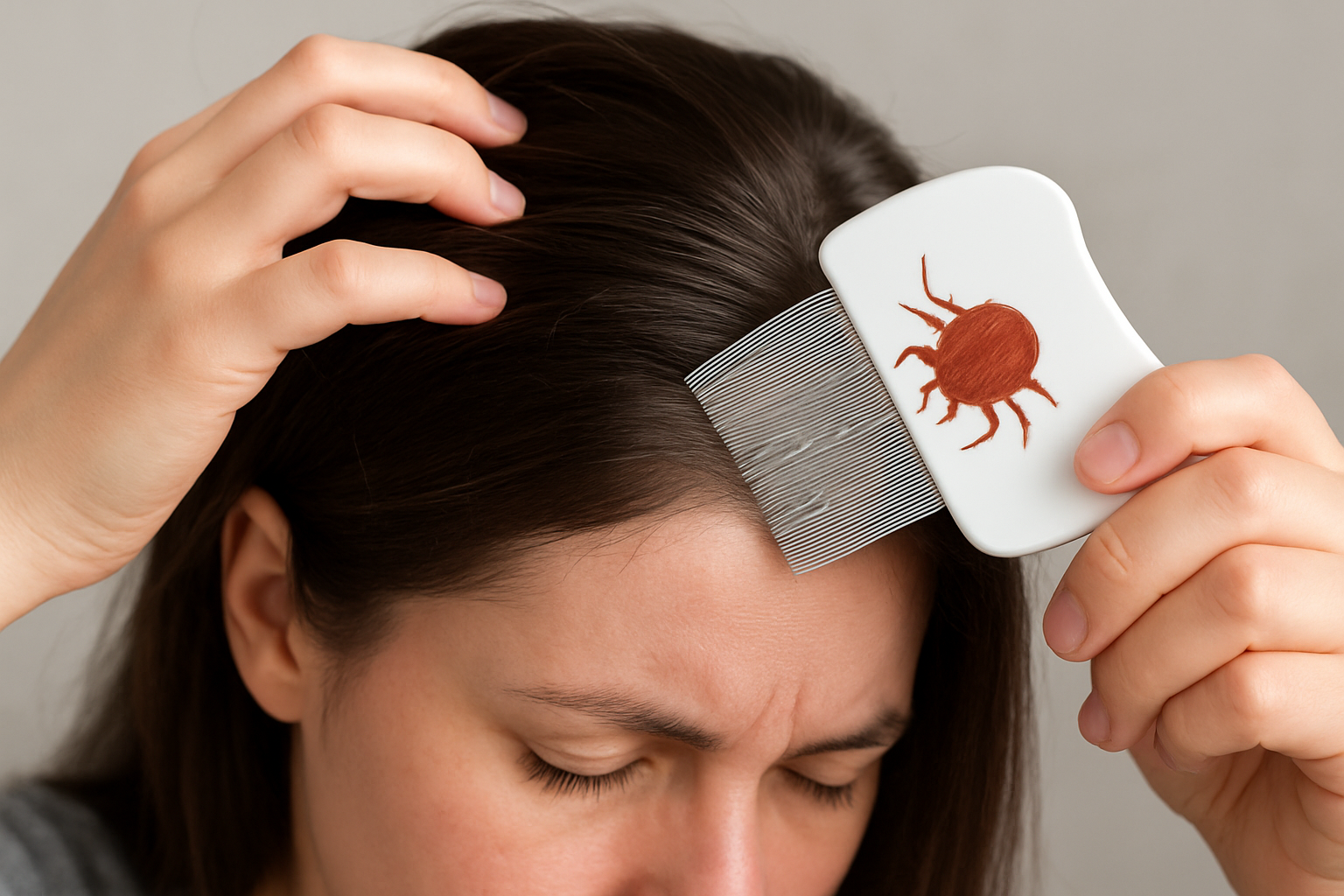
Understanding Hair Mites: What Are They?
Hair mites, also known as Demodex, are microscopic parasites that live in or near hair follicles of mammals, including humans. There are two main species of hair mites that affect humans: Demodex folliculorum and Demodex brevis. These mites are generally considered harmless, but when present in large numbers, they can cause skin issues such as itchy scalp, hair loss, or even rosacea.
Most people will host these mites without any noticeable symptoms. However, for some, they multiply excessively, leading to discomfort. Understanding their existence is the first step to seeking the fastest way to get rid of them.
Causes of Hair Mite Overpopulation
Several factors can contribute to an overpopulation of hair mites:
- Hormonal Changes: Alterations in hormones can lead to increased oil production, creating an ideal environment for mites.
- Immune System Issues: A weakened immune system can fail to control mite population effectively.
- Poor Hygiene: Lack of regular cleansing may lead to accumulation of oils and skin flakes, providing food for the mites
Symptoms to Watch For
If you suspect you have an issue with hair mites, look for the following symptoms:
- Itchy scalp and face
- Redness or inflammation around hair follicles
- Scaly or rough skin texture
- In severe cases, persistent skin disorders like rosacea or blepharitis
The Fastest Ways to Get Rid of Hair Mites
The urgency to deal with hair mites leads many to seek the fastest remedies. Here are researched and effective methods utilized as of 2026:
1. Topical Treatments
Topical creams and ointments are widely recommended in dermatology to counter hair mites:
- Tea Tree Oil: Known for its natural antibacterial properties, tea tree oil can effectively reduce mite populations. Applying diluted tea tree oil on affected areas can soothe symptoms.
- Prescription Creams: Your dermatologist might prescribe acaricidal creams such as permethrin or metronidazole that are designed to reduce the mite population effectively.
- Benzoyl Peroxide: Often used for acne, benzoyl peroxide can help in drying out excessive oil, curbing mite growth.
2. Maintaining Good Hygiene
Good hygiene practices are pivotal in controlling Demodex mites:
- Regular cleansing of your face and scalp using gentle, non-comedogenic shampoos and washes is essential.
- Change pillowcases and towels frequently to prevent reinfestation.
3. Boosting Immune System
Supporting your immune system can help your body naturally manage mite levels:
- Consuming a balanced diet rich in vitamins A, C, and E, and omega-3 fatty acids is crucial.
- Regular physical activity and sufficient sleep can further support immune health.
Advanced Interventions for Severe Cases
In situations where hair mite problems persist or worsen, more intensive treatments might be necessary:
4. Professional Medical Treatments
If over-the-counter solutions fail, seeking professional medical advice is advisable:
- Oral Ivermectin: Physicians may prescribe oral ivermectin, a medication effective against parasites.
- Laser Therapy: For skin extensively affected by mite-induced conditions, laser therapy could be an option.
Prevention: Keeping Hair Mites at Bay
Preventive measures play a significant role in managing hair mites:
- Avoid using greasy creams and excessive cosmetics that can offer food and breeding ground for mites.
- Engage in regular exfoliation to remove dead skin cells that might harbor mites.
Conclusion
Your journey to addressing hair mites depends on recognizing symptoms early and combining immediate actions with longer-term strategies for prevention. Recent research emphasizes early intervention with reliable topical treatments alongside lifestyle modifications.
If symptoms persist or worsen, consulting a healthcare professional is recommended to explore more effective treatment options like those highlighted recently in this 2026 study.