Effective Strategies for Lowering Protein Levels in Urine
Discovering protein in your urine (proteinuria) can be concerning, but it’s often a manageable condition that can be improved with the right approach. The good news is that many effective strategies start with simple adjustments to your diet and daily habits.
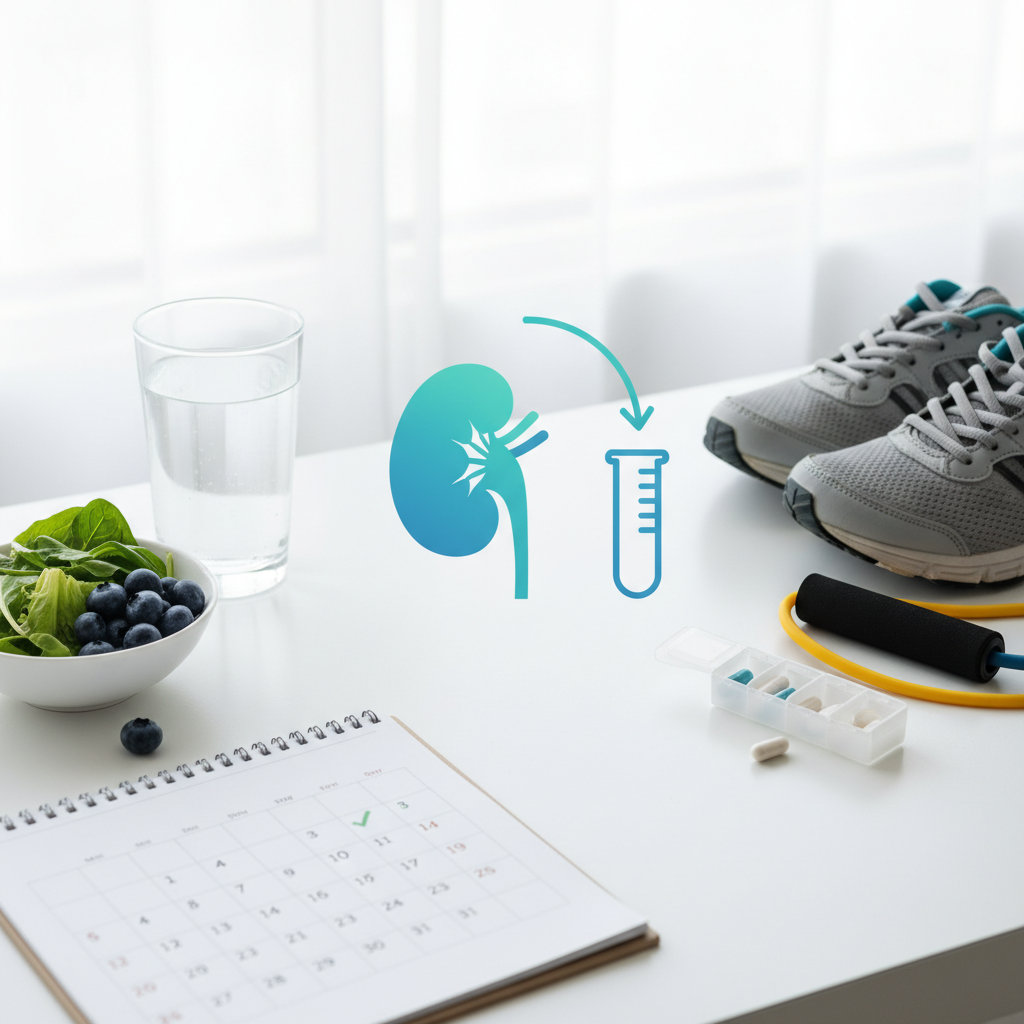
Effective Ways to Reduce Protein in Urine (Proteinuria)
Discovering you have protein in your urine, a condition known as proteinuria, can be concerning. It often indicates that your kidneys may not be filtering your blood as effectively as they should. While it's essential to work closely with a healthcare provider to address the underlying cause, several lifestyle and dietary adjustments can help manage the condition and support kidney health. These strategies focus on controlling the primary drivers of kidney damage, such as high blood pressure and diabetes.
Manage Your Blood Pressure
High blood pressure (hypertension) is one of the leading causes of kidney damage and subsequent proteinuria. When blood pressure is consistently high, it puts stress on the delicate blood vessels in the kidneys, including the glomeruli, which are the tiny filters. Over time, this pressure can damage these filters, allowing protein like albumin to leak from the blood into the urine.
Controlling your blood pressure is therefore a critical step. Your doctor may prescribe medications like ACE inhibitors (angiotensin-converting enzyme inhibitors) or ARBs (angiotensin II receptor blockers). These medications are particularly effective because they not only lower blood pressure but also provide direct protection to the kidneys by reducing pressure inside the glomeruli. Lifestyle changes, such as regular exercise and reducing sodium intake, also play a vital role in blood pressure management.
Control Blood Sugar Levels
For individuals with diabetes, managing blood sugar levels is paramount. Uncontrolled high blood sugar can lead to diabetic nephropathy, or kidney disease caused by diabetes. Excess sugar in the blood forces the kidneys to work harder to filter it, leading to damage over many years. This damage impairs the kidneys' filtering ability, resulting in proteinuria.
Consistently monitoring your blood glucose, following a diabetes-friendly diet, engaging in regular physical activity, and taking prescribed medications like insulin or oral hypoglycemics are essential. Keeping your blood sugar within your target range can significantly slow the progression of kidney damage and reduce the amount of protein leaking into your urine.
Follow a Kidney-Friendly Diet
Dietary changes are a cornerstone of managing proteinuria. A kidney-friendly diet aims to reduce the workload on your kidneys and manage conditions that contribute to their damage. A registered dietitian can help create a personalized plan, but some general principles are widely recommended.
Reduce Sodium Intake
A high-sodium diet can contribute to high blood pressure and fluid retention, both of which strain the kidneys. The goal is typically to consume less than 2,300 milligrams of sodium per day, though your doctor might recommend an even lower amount. This involves more than just putting away the salt shaker; it means reading food labels carefully, as processed foods, canned soups, fast food, and frozen meals are often packed with hidden sodium. Cooking meals from scratch using fresh ingredients gives you full control over your salt intake.
Moderate Protein Consumption
While protein is essential, consuming too much can be hard on damaged kidneys. When your body metabolizes protein, it creates waste products that the kidneys must filter out. A high-protein diet increases this filtering load. Your doctor or dietitian may recommend moderating your protein intake. The focus is often on choosing high-quality protein sources and controlling portion sizes. Plant-based proteins (like beans, lentils, and tofu) and lean animal proteins (like fish and poultry) are often preferred over red meat.
Maintain a Healthy Weight
Carrying excess weight is linked to both high blood pressure and type 2 diabetes, the two primary causes of chronic kidney disease. Obesity can also directly impact the kidneys through a process called hyperfiltration, where they have to work harder than normal to meet the metabolic demands of a larger body size. This extra strain can lead to kidney damage and proteinuria over time.
Losing even a modest amount of weight through a combination of a balanced diet and regular physical activity can help lower blood pressure, improve blood sugar control, and reduce the stress on your kidneys. Aim for at least 30 minutes of moderate-intensity exercise, such as brisk walking, swimming, or cycling, most days of the week.
Avoid NSAIDs
Nonsteroidal anti-inflammatory drugs (NSAIDs) are common over-the-counter pain relievers, including ibuprofen (Advil, Motrin) and naproxen (Aleve). While generally safe for occasional use in healthy individuals, frequent or long-term use can be harmful to the kidneys. NSAIDs can reduce blood flow to the kidneys, which can worsen existing kidney damage and potentially increase proteinuria. If you have kidney concerns, talk to your doctor about safer alternatives for pain management, such as acetaminophen (Tylenol), and always ask before taking any new over-the-counter medication.
Quit Smoking and Limit Alcohol
Smoking is detrimental to your entire cardiovascular system, including the blood vessels in your kidneys. It can accelerate the progression of kidney disease by increasing blood pressure and heart rate and reducing blood flow to vital organs. Quitting smoking is one of the most impactful changes you can make for your overall health and can help protect your kidneys from further damage.
Excessive alcohol consumption can also raise blood pressure and has a dehydrating effect, both of which can be hard on the kidneys. Limiting alcohol intake to moderate levels—generally defined as up to one drink per day for women and up to two for men—is advisable for supporting kidney function.
Work Closely With Your Healthcare Provider
Ultimately, managing proteinuria requires a partnership with your healthcare team. The strategies listed above are supportive measures, but the core of treatment is addressing the specific underlying cause. Your doctor will perform tests to diagnose the reason for the protein in your urine and create a tailored treatment plan. This may involve specific medications, regular monitoring of your kidney function through blood and urine tests, and referrals to specialists like a nephrologist (kidney doctor) or a dietitian.