Effective Strategies for Managing Diverticulosis Daily
If you’re looking for straightforward ways to manage diverticulosis, you're in the right place. Keeping symptoms under control often comes down to a few key areas: your diet, your hydration, and your daily habits.
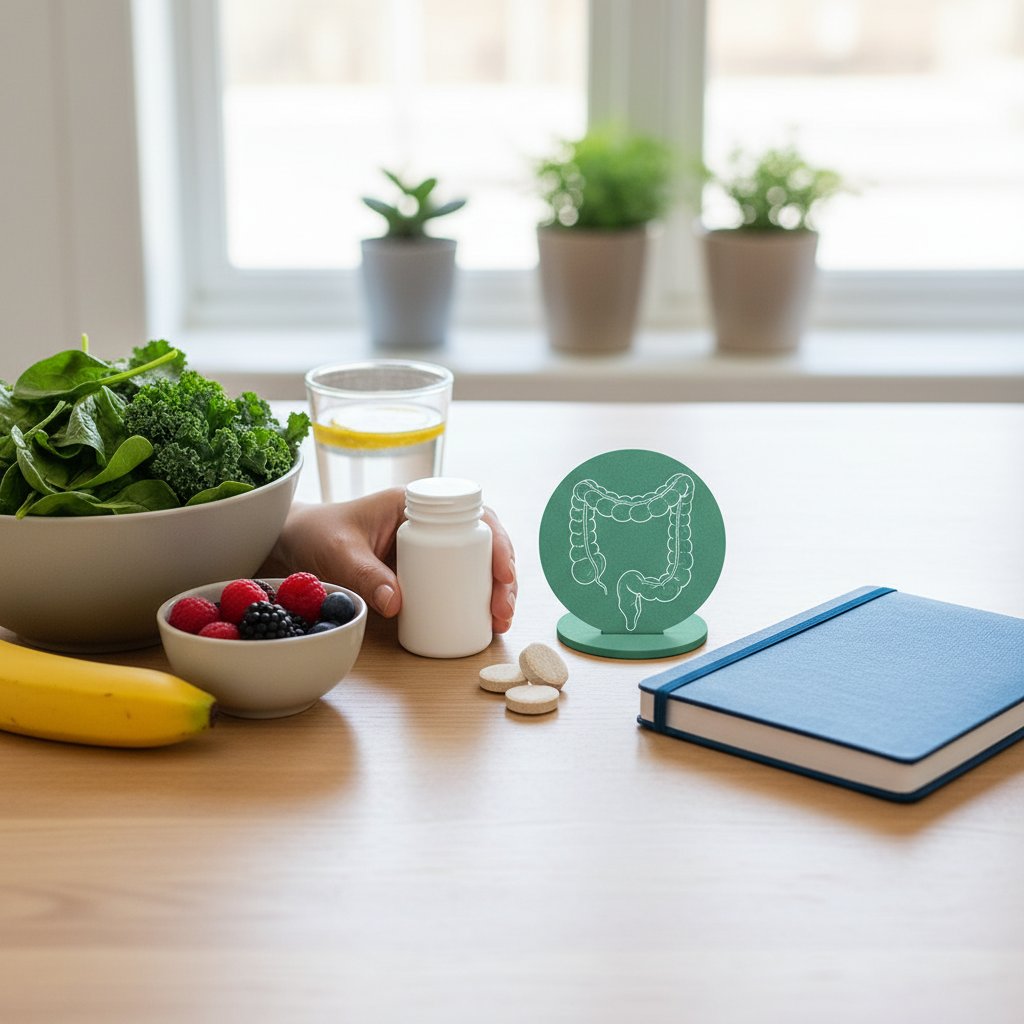
Key Strategies for Managing Diverticulosis
Diverticulosis is a common condition where small, bulging pouches (diverticula) develop in the digestive tract, most often in the colon. While the condition itself often causes no symptoms, managing it effectively is crucial to prevent it from progressing to diverticulitis—a painful condition where these pouches become inflamed or infected. The primary goal of managing diverticulosis is to maintain normal bowel function and prevent complications through targeted lifestyle and dietary adjustments.
1. Gradually Increase Your Fiber Intake
Fiber is arguably the most important component in managing diverticulosis. It works by softening stool and increasing its bulk, which allows it to pass more easily through the colon. This reduces pressure within the digestive tract, which is believed to be a primary factor in the formation of diverticula. When stool is soft and easy to pass, the colon doesn't have to strain, minimizing the stress on its walls and potentially preventing new pouches from forming or existing ones from becoming irritated.
It's crucial to increase fiber intake slowly. A sudden jump can lead to uncomfortable gas, bloating, and cramping as your digestive system adjusts. Aim to add about 5 grams of fiber to your diet every few days until you reach the recommended daily amount—about 25 grams for women and 38 grams for men. Good sources of fiber include whole grains (oats, brown rice, quinoa), fruits (apples, pears, berries), vegetables (broccoli, carrots, spinach), and legumes (beans, lentils, chickpeas).
2. Stay Adequately Hydrated
Increasing your fiber intake is only effective if you also increase your fluid intake. Fiber absorbs water, which is what makes the stool soft and bulky. Without enough water, a high-fiber diet can have the opposite effect, leading to hard, difficult-to-pass stools and constipation, thereby increasing pressure in the colon. This can worsen the very condition you are trying to manage.
Aim to drink at least eight 8-ounce glasses of water per day, but you may need more depending on your activity level, climate, and overall health. Other fluids like herbal tea and clear broths can also contribute to your daily total. A simple way to check your hydration is to look at your urine—it should be a light, pale yellow color. If it's dark yellow or amber, it's a sign you need to drink more fluids.
3. Engage in Regular Physical Activity
Regular exercise is beneficial for overall health and plays a significant role in digestive wellness. Physical activity helps promote normal bowel function by stimulating the muscles in the intestines, which helps move stool through the colon more efficiently. This can prevent constipation, a key risk factor for increased pressure in the colon. Consistent movement helps maintain a healthy weight, which further reduces pressure on the abdomen and digestive system.
You don't need to engage in strenuous workouts to see benefits. Aim for at least 30 minutes of moderate-intensity exercise most days of the week. Activities like brisk walking, swimming, cycling, or yoga are excellent choices. The key is consistency. By making physical activity a regular part of your routine, you support your body’s natural digestive processes and help keep diverticulosis symptoms at bay.
4. Maintain a Healthy Weight
Research suggests a link between obesity and an increased risk of developing diverticulitis and its complications. Excess weight, particularly around the abdomen, can increase pressure within the colon. By maintaining a healthy weight through a balanced diet and regular exercise, you can reduce this intra-abdominal pressure. This not only helps in managing diverticulosis but also lowers your risk for a host of other chronic conditions, such as heart disease and diabetes.
If you are overweight, even a modest weight loss of 5-10% of your body weight can provide significant health benefits. Work with a healthcare provider or a registered dietitian to create a sustainable weight management plan that incorporates healthy eating habits and physical activity without resorting to extreme or restrictive diets.
5. Consider Your Medication Use
Certain medications may increase the risk of complications like diverticular bleeding or inflammation. Nonsteroidal anti-inflammatory drugs (NSAIDs), such as ibuprofen and naproxen, have been linked to a higher risk of diverticulitis and bleeding. While occasional use may be fine, long-term, regular use should be discussed with your doctor. They may be able to suggest alternative pain relievers, like acetaminophen, that are less likely to affect your digestive system.
Similarly, some studies suggest that steroids and opiates might also increase the risk of complications. If you are taking any of these medications for a chronic condition, it's important to have a conversation with your healthcare provider about the potential risks and benefits in the context of your diverticulosis. Never stop taking a prescribed medication without medical advice.
Understanding the Difference: Diverticulosis vs. Diverticulitis
It's essential for anyone diagnosed with diverticular disease to understand the distinction between diverticulosis and diverticulitis, as they represent two different stages of the same underlying condition. Knowing the difference helps in understanding the management goals and recognizing when to seek medical attention.
Diverticulosis is simply the presence of the small pouches (diverticula) in the colon wall. In this stage, the majority of people—up to 80%—have no symptoms at all. They might not even know they have the condition until it's discovered during a routine colonoscopy or an imaging test for another reason. The primary goal for managing diverticulosis is prevention: adopting a high-fiber diet, staying hydrated, and exercising to keep the bowels moving regularly and prevent the pouches from becoming inflamed.
Diverticulitis, on the other hand, occurs when one or more of these pouches become inflamed or infected. This is when symptoms appear, and they can be severe. Common symptoms include persistent abdominal pain (usually in the lower left side), fever, nausea, vomiting, and a change in bowel habits. Diverticulitis is an acute condition that requires medical treatment, which can range from a liquid diet and antibiotics for mild cases to hospitalization and even surgery for severe or complicated cases. The lifestyle changes recommended for diverticulosis are aimed at preventing these painful flare-ups.
Common Questions About Managing Diverticulosis
Once diagnosed, many people have follow-up questions about the specifics of their diet and lifestyle. Here are answers to some of the most common queries.
Do I Need to Avoid Nuts, Seeds, and Popcorn?
For many years, it was common medical advice for people with diverticulosis to avoid nuts, seeds, popcorn, and corn. The theory was that these small, hard food particles could get trapped in the diverticula and cause inflammation or infection, leading to a diverticulitis flare-up. This advice was based on anecdotal evidence rather than scientific research.
However, more recent and extensive studies have found no evidence to support this claim. In fact, a large-scale study published in the Journal of the American Medical Association found that men who ate nuts and popcorn were actually at a lower risk of developing diverticulitis. Many of these foods are excellent sources of fiber, which is crucial for managing the condition. Therefore, current medical consensus is that you do not need to avoid these foods unless you personally find that they trigger symptoms. The focus should remain on an overall high-fiber diet.
What Are the Best High-Fiber Foods to Eat?
Incorporating a variety of high-fiber foods is the best approach to ensure you get both soluble and insoluble fiber, which work together to promote digestive health. Soluble fiber dissolves in water to form a gel-like substance, helping to soften stool. Insoluble fiber adds bulk to the stool, helping it move through the intestines more quickly.
Excellent sources of fiber include:
- Legumes: Lentils, black beans, chickpeas, kidney beans, and split peas are fiber powerhouses.
- Whole Grains: Oats, barley, quinoa, brown rice, and whole-wheat bread and pasta.
- Vegetables: Broccoli, Brussels sprouts, carrots, artichokes, and leafy greens like spinach and kale.
- Fruits: Pears, apples (with the skin), raspberries, blackberries, and avocados.
- Nuts and Seeds: Almonds, chia seeds, flaxseeds, and sunflower seeds are great sources of fiber and healthy fats.
Start by adding one or two of these to your meals each day and gradually increase the amount and variety over time. A food journal can help you track your intake and monitor how your body responds.
Can Probiotics Help with Diverticulosis?
The role of probiotics in managing diverticulosis and preventing diverticulitis is an area of growing research, but the evidence is not yet conclusive. Probiotics are live microorganisms, often called "good" bacteria, that can provide health benefits by improving or restoring the gut flora. The theory is that an imbalance in gut bacteria may contribute to inflammation in the colon.
Some small studies have suggested that certain probiotic strains may help reduce symptoms like bloating and abdominal pain in people with symptomatic uncomplicated diverticular disease. However, larger, more robust clinical trials are needed to confirm these benefits and determine which specific strains and dosages are most effective. If you are considering trying probiotics, it's best to discuss it with your doctor first. They can help you choose a reputable product and determine if it's an appropriate addition to your management plan, which should still be centered on fiber, fluids, and exercise.
Final Thoughts on Managing Your Condition
Living with diverticulosis is primarily about proactive management to prevent the onset of diverticulitis. By focusing on a high-fiber diet, ensuring adequate hydration, staying physically active, and maintaining a healthy weight, you can significantly reduce your risk of complications. These lifestyle changes not only support your digestive health but also contribute to your overall well-being. Always consult with your healthcare provider to create a personalized plan that is right for you and to address any concerns about your condition.
For more detailed information from trusted sources, you can visit: