Effective Strategies for Managing Hip Bursitis Pain
If you're dealing with the sharp, persistent pain of hip bursitis, you've come to the right place. Finding effective relief can feel overwhelming, but the right approach makes all the difference.
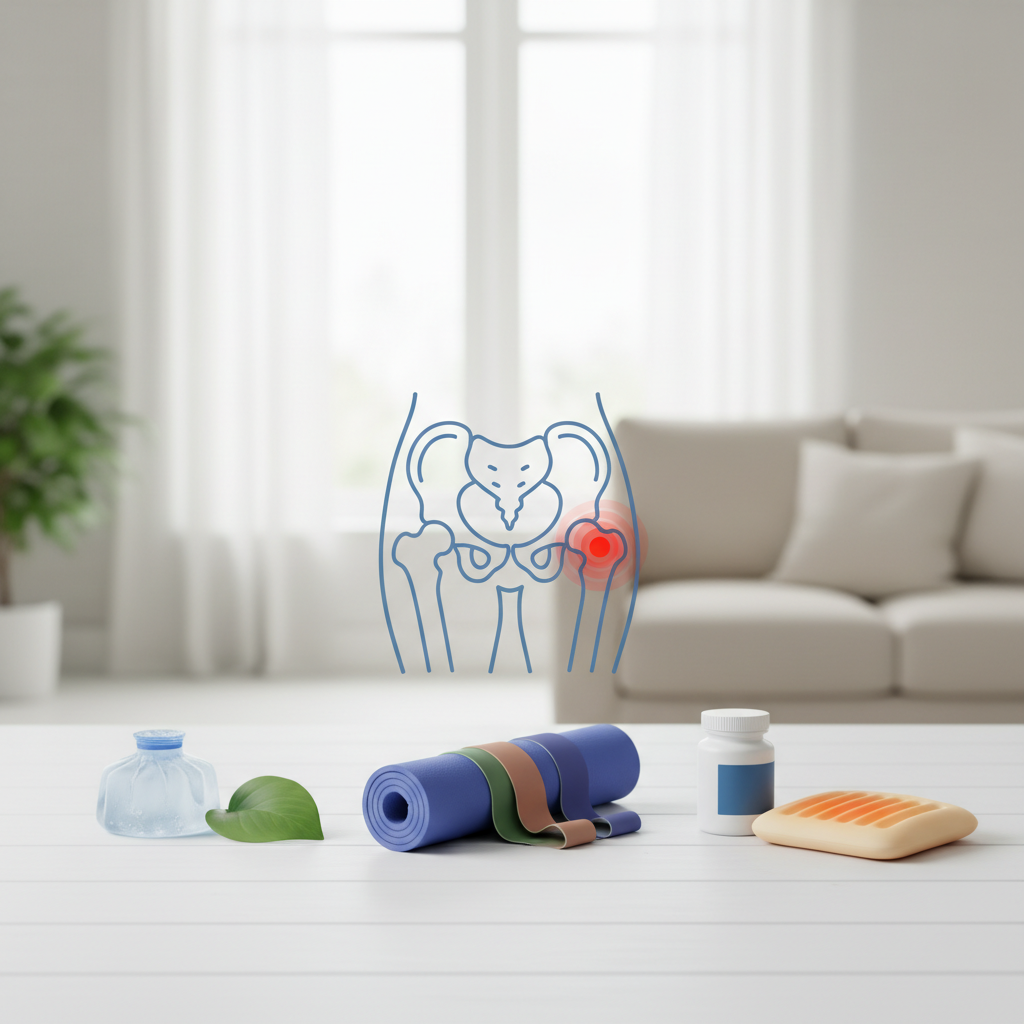
Initial At-Home and Lifestyle Adjustments
For many individuals, the first line of defense against hip bursitis involves conservative, at-home treatments aimed at reducing inflammation and alleviating pain. These methods are often effective for mild to moderate cases and are crucial for preventing the condition from worsening. The cornerstone of this approach is the RICE method: Rest, Ice, Compression, and Elevation. While compression and elevation are more applicable to other joint injuries, rest and ice are paramount for hip bursitis.
Rest and Activity Modification
One of the most important initial steps is to avoid the activities that trigger your hip pain. This doesn’t necessarily mean complete bed rest, but rather a significant reduction in activities that put repetitive stress on the hip joint. This could include cutting back on running, cycling, or climbing stairs. The goal is to give the inflamed bursa a chance to heal without being constantly irritated.
Activity modification also involves thinking about your daily movements. You might need to adjust how you sit, stand, or sleep to take pressure off the affected hip. For example, avoiding sitting with your legs crossed or sleeping on the painful side can make a significant difference. The rest period can last from a few days to several weeks, depending on the severity of your symptoms.
Ice and Heat Therapy
Applying cold packs to the painful area can be highly effective in reducing inflammation and numbing the sharp pain associated with acute bursitis. For best results, apply an ice pack wrapped in a thin towel to the point of your hip for 15-20 minutes at a time, several times a day. This is especially beneficial after any activity that may have aggravated the area.
While ice is best for the initial inflammatory phase, some people find relief from applying moist heat later on. Heat can help relax tight muscles surrounding the hip joint, which can contribute to the pain. A warm towel, heating pad, or warm bath can be used for 15-20 minutes before gentle stretching. It’s often a matter of personal preference, but the general rule is to use ice for acute pain and inflammation and heat for chronic stiffness and muscle soreness.
Over-the-Counter (OTC) Pain Relievers
Nonsteroidal anti-inflammatory drugs (NSAIDs) are a mainstay of initial bursitis treatment. Medications like ibuprofen (Advil, Motrin) and naproxen sodium (Aleve) work by reducing both pain and inflammation. They can provide significant relief and help you manage symptoms while the bursa heals.
It's crucial to use these medications as directed on the packaging and to be aware of potential side effects, especially with long-term use. If you have other health conditions or are taking other medications, it’s always a good idea to consult with your doctor or a pharmacist before starting a new OTC drug. For pain without significant inflammation, acetaminophen (Tylenol) can also be an option.
Medical and Professional Treatments
If at-home care doesn’t provide enough relief after a week or two, or if the pain is severe, it’s time to consult a healthcare professional. A doctor can confirm the diagnosis and recommend more advanced treatments to control the inflammation and address the underlying causes of the bursitis.
Physical Therapy
Physical therapy is one of the most effective long-term treatments for hip bursitis. A physical therapist can design a personalized program to address the specific issues contributing to your condition. The primary goals are to reduce pain, improve flexibility, and strengthen the muscles surrounding the hip joint.
A typical physical therapy regimen will include targeted stretching exercises for the iliotibial (IT) band, hamstrings, and hip flexors to improve flexibility and reduce tension on the bursa. Strengthening exercises will focus on the hip abductor muscles (like the gluteus medius), which are crucial for stabilizing the pelvis and ensuring proper walking and running mechanics. A therapist can also use modalities like ultrasound or TENS (transcutaneous electrical nerve stimulation) to help manage pain.
Corticosteroid Injections
For persistent or severe pain that doesn’t respond to other conservative treatments, a doctor may recommend a corticosteroid injection. This procedure involves injecting a powerful anti-inflammatory medication directly into the inflamed bursa. The relief can be dramatic and often occurs within a day or two.
While effective, the relief from a steroid shot can be temporary, lasting anywhere from a few weeks to several months. It doesn't cure the underlying cause of the bursitis, so it's most effective when used in conjunction with physical therapy to correct mechanical issues. Doctors usually limit the number of injections into a single joint due to potential side effects like weakening of nearby tendons.
Assistive Devices
In some cases, using an assistive device can provide immediate relief by taking pressure off the affected hip. Walking with a cane or crutches for a short period can significantly reduce the load on the joint, allowing the bursa to heal more quickly. Your doctor or physical therapist can advise if this is a suitable option for you and ensure you are using the device correctly (holding the cane in the hand opposite the painful hip).
Surgical Intervention (Rare)
Surgery is rarely needed to treat hip bursitis and is only considered a last resort when all other non-surgical treatments have failed to provide relief over an extended period (typically at least six months to a year). The most common surgical procedure is a bursectomy, which involves the removal of the inflamed bursa. This is often done arthroscopically, using small incisions and a camera, which leads to a faster recovery. After surgery, a period of rehabilitation and physical therapy is necessary to regain full strength and function.