Effective Strategies for Men to Lower Their HIV Risk: A Complete Guide
Discover ways men can lower their risk of HIV infection with practical lifestyle choices and protective measures. While no method offers absolute prevention, informed decisions can significantly enhance safety.

Understanding HIV and Its Risk Factors
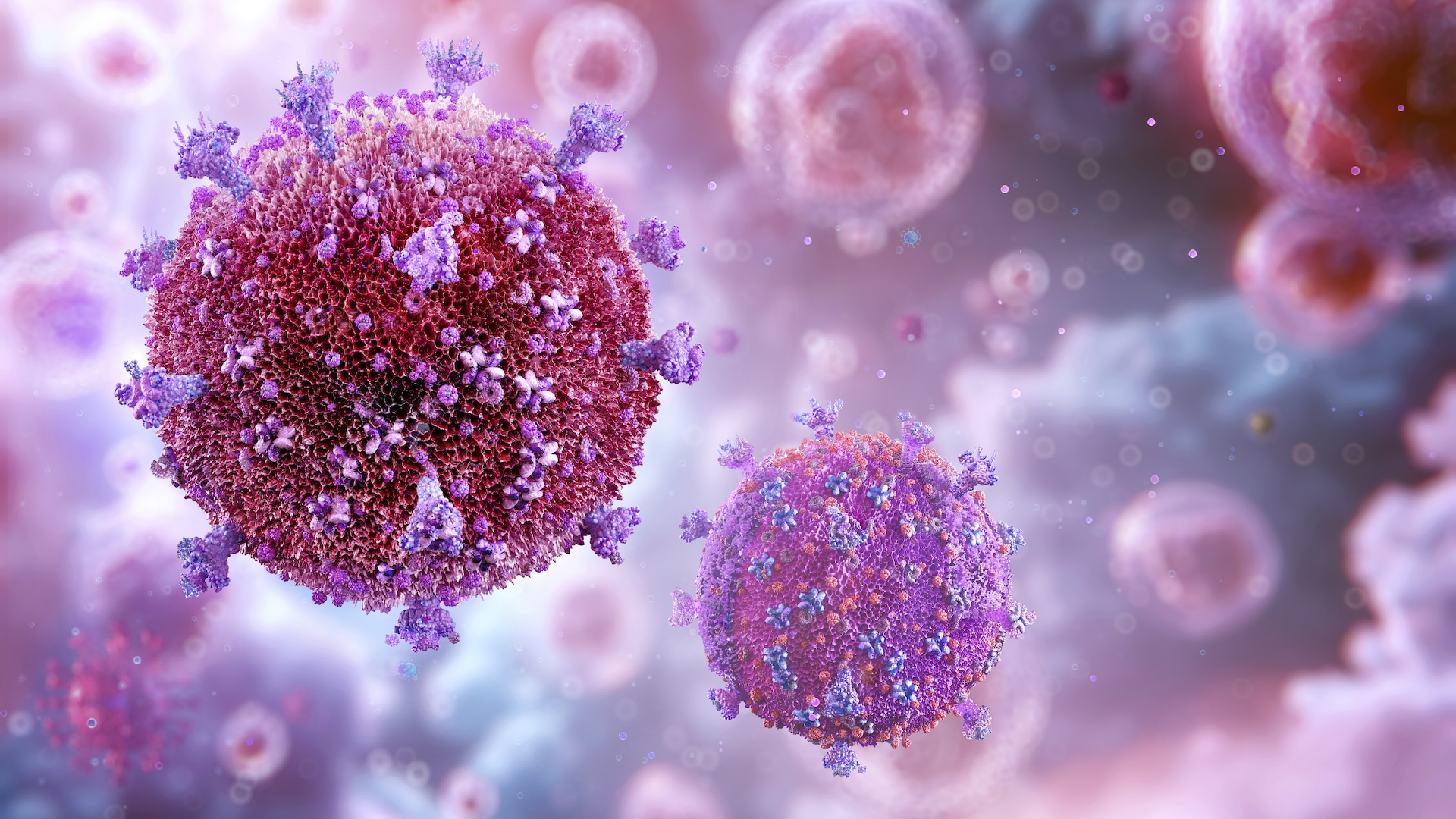
Human Immunodeficiency Virus (HIV) is a virus that attacks the immune system, specifically the CD4 cells (also known as T cells), which are crucial for mounting a defense against illnesses. If untreated, HIV reduces the number of T cells in the body, making a person more vulnerable to infections and certain cancers. The progression of HIV without treatment can lead to Acquired Immunodeficiency Syndrome (AIDS), a life-threatening condition. Understanding the risk factors for HIV is essential for men who are looking to reduce their chances of infection.
Key Transmission Routes Among Men
HIV is primarily transmitted through the exchange of certain body fluids from an infected person, such as blood, semen, rectal fluids, vaginal fluids, and breast milk. For men, the most common modes of transmission are through unprotected sexual intercourse and sharing needles or other equipment for drug use. It's important for men to be aware of these transmission routes to adopt appropriate prevention strategies. For more information, the Centers for Disease Control and Prevention (CDC) offers a comprehensive overview of HIV transmission.
Adopting Safer Sexual Practices
The use of condoms remains one of the most effective ways to reduce the risk of HIV transmission during sexual intercourse. Condoms act as a barrier, preventing the exchange of bodily fluids that can carry the virus. Using them consistently and correctly is key. Moreover, choosing Water-based or silicone-based lubricants with latex condoms can help prevent breakage or slippage. Additionally, reducing the number of sexual partners and engaging in less risky sexual practices can also significantly decrease the risk of HIV infection.
Pre-Exposure Prophylaxis (PrEP) is another powerful tool in HIV prevention. PrEP is a daily medication for people who do not have HIV but are at high risk of getting it. When taken consistently, PrEP can reduce the risk of HIV infection by up to 99%. The CDC provides guidelines and information on PrEP for those considering this preventive measure.
CDC: Pre-exposure Prophylaxis (PrEP)
Regular HIV Testing and Early Treatment
Regular testing for HIV is crucial, especially for men who are at higher risk. Early detection through HIV testing can lead to timely treatment and reduces the chances of passing the virus on to others. The CDC recommends that everyone between the ages of 13 and 64 get tested for HIV at least once as part of routine health care. Those at higher risk should consider more frequent testing, such as every 3-6 months.
Early treatment with antiretroviral therapy (ART) can help individuals lead healthier lives and significantly reduce the viral load to undetectable levels, effectively eliminating the risk of transmitting the virus to others. ART is effective, but adherence to medication is critical for it to be successful.
Addressing Substance Abuse
Addressing substance abuse is vital since it is associated with risky behaviors that increase the likelihood of HIV transmission. Sharing needles or any drug paraphernalia can directly transmit HIV. Engaging in substance abuse can also impair judgment, increasing the likelihood of engaging in unprotected sex. Interventions and programs that provide support and resources for men struggling with substance abuse can significantly mitigate these risks.
Building a Supportive Community
Stigma and discrimination around HIV can prevent people from seeking the necessary information and help. By building a supportive community, men can empower each other to access preventive measures like PrEP, regular testing, and safe sex education. Community-based organizations play a critical role in education, support, and advocacy, making it important for men to connect with these resources.
Conclusion
Reducing the risk of HIV for men involves a multi-faceted approach that includes adopting safer sexual practices, regular testing, early treatment, and addressing substance abuse. By taking proactive steps and using available resources, men can significantly diminish their risk of contracting HIV. Awareness, education, and community support are critical to fostering a supportive environment that encourages healthy behavioral changes and access to necessary medical interventions.