Effective Strategies for Quickly Managing Impetigo
Dealing with impetigo is frustrating, especially when you need it cleared up quickly. This guide breaks down the most effective ways to treat the infection, from prescribed medical options to supportive at-home care you can start today.
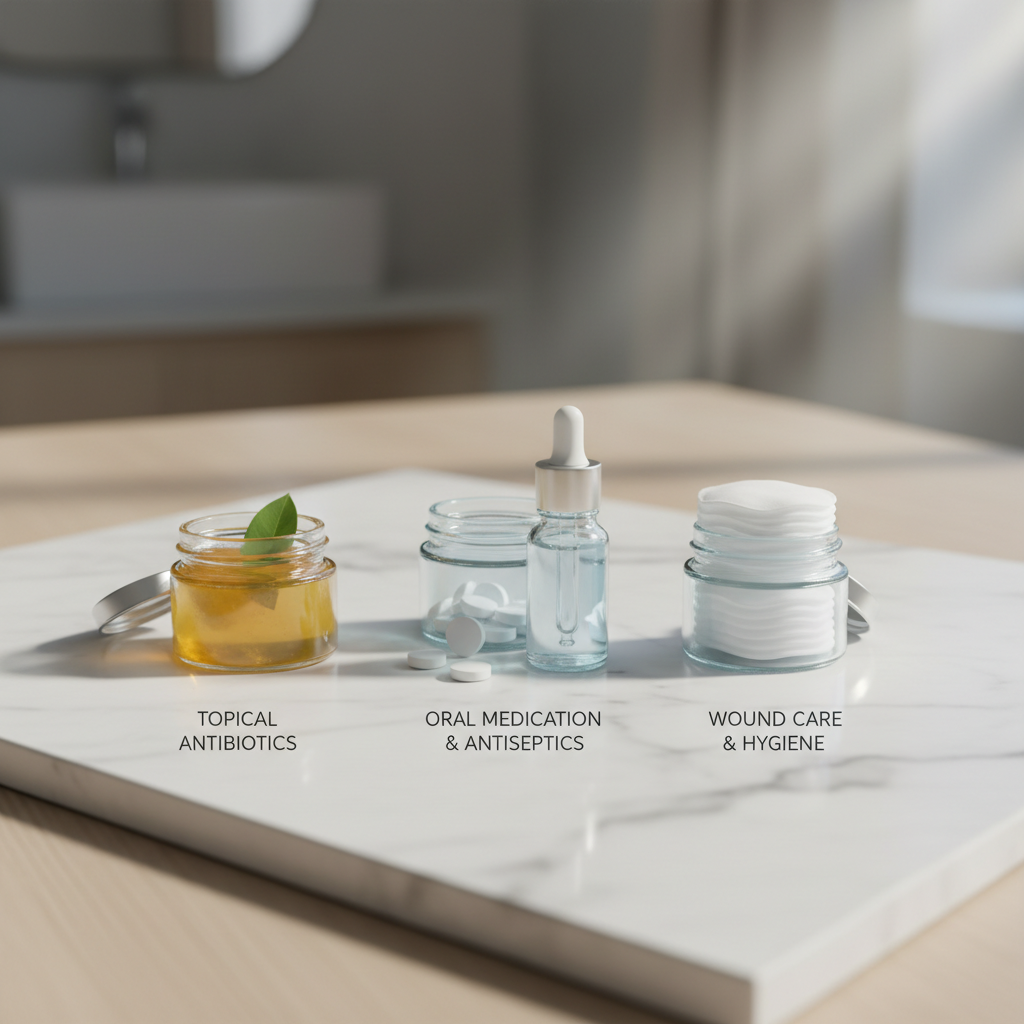
Medically-Proven Ways to Treat Impetigo
When dealing with a highly contagious bacterial infection like impetigo, the primary goal is to eliminate the bacteria, prevent its spread, and help the skin heal. "Fast" treatment almost always involves medical intervention. Relying solely on home remedies can prolong the infection and increase the risk of spreading it to others or other parts of your body. A healthcare provider will typically recommend one or a combination of the following treatments.
Topical Antibiotics
For mild and localized cases of impetigo, topical antibiotics are the first line of defense. These are creams or ointments applied directly to the sores. The most commonly prescribed topical antibiotics are Mupirocin (brand name Bactroban) and Retapamulin (brand name Altabax). These medications work by stopping the bacteria—usually Staphylococcus aureus or Streptococcus pyogenes—from growing and multiplying, allowing your body's immune system to clear the infection.
To use a topical antibiotic effectively, you should first gently clean the affected area with warm water and a mild soap to remove any crusts. This allows the medication to penetrate the skin properly. After patting the area dry, apply a thin layer of the ointment as prescribed by your doctor, typically two to three times a day for about 7 to 10 days. It is crucial to wash your hands thoroughly before and after applying the cream to avoid spreading the infection. Even if the sores start to look better after a few days, you must complete the full course of treatment to ensure the infection is completely eradicated.
Oral Antibiotics
If the impetigo is widespread, severe, or if topical treatments are not effective, a doctor will likely prescribe oral antibiotics. These medications work systemically, fighting the infection from the inside out. This approach is also common for a specific type of impetigo called bullous impetigo, which involves larger blisters. Common oral antibiotics used for impetigo include cephalexin (Keflex), doxycycline, amoxicillin/clavulanate (Augmentin), and clindamycin.
The course of oral antibiotics usually lasts for about seven days. It is absolutely essential to take the medication exactly as prescribed and to finish the entire course, even if you feel better. Stopping the treatment early can lead to a resurgence of the infection and may contribute to antibiotic resistance, making future infections harder to treat. Be aware of potential side effects like nausea or diarrhea, and speak to your doctor if they become severe.
Proper Hygiene and Wound Care
Alongside antibiotic treatment, diligent hygiene is fundamental to getting rid of impetigo quickly and preventing its spread. The bacteria thrive in moist environments and are easily transferred through touch. Keeping the sores clean and covered is a non-negotiable part of the treatment plan. Gently wash the affected skin several times a day with an antiseptic wash or warm, soapy water. This helps remove the characteristic honey-colored crusts and reduces the bacterial load on the skin.
After cleaning, gently pat the area dry with a clean towel—do not reuse this towel before washing it in hot water. To prevent the infection from spreading to other parts of the body or to other people, cover the sores with a light gauze bandage and tape. This creates a barrier that contains the weeping fluid, which is highly infectious. Additionally, keep the infected person's fingernails trimmed short to minimize skin damage from scratching and reduce the chance of bacteria getting trapped under the nails.
Understanding Impetigo: What It Is and How It Spreads
Impetigo is a common and highly contagious bacterial skin infection. It primarily affects infants and young children, but people of all ages can get it. The infection is caused by two main types of bacteria: Staphylococcus aureus and Streptococcus pyogenes. These bacteria can invade the skin through minor cuts, insect bites, or areas of existing skin conditions like eczema. However, impetigo can also develop on perfectly healthy skin.
The infection manifests as red sores or blisters that can appear anywhere on the body but are most common around the nose and mouth, and on the hands and feet. These sores quickly rupture, ooze for a few days, and then form a distinctive yellowish-brown or "honey-colored" crust. Understanding its appearance and contagious nature is the first step in managing it effectively and preventing its transmission to others in the household, school, or daycare.
Impetigo spreads with alarming ease. The primary mode of transmission is through direct skin-to-skin contact with the sores of an infected person. It can also be spread indirectly by touching items that have been contaminated by an infected person, such as towels, bedding, toys, or clothing. The fluid that oozes from the blisters is packed with bacteria, making it extremely infectious. This is why good hygiene, covering the sores, and frequent hand washing are paramount in controlling an outbreak.
Common Questions About Impetigo Management
Can Impetigo Go Away On Its Own?
While a very mild case of impetigo might clear up on its own in two to three weeks, it is strongly recommended not to leave it untreated. Without treatment, you run a much higher risk of several negative outcomes. Firstly, the infection can spread to other parts of your body, a process known as autoinoculation. A small patch can quickly become a much larger and more severe problem. Secondly, leaving impetigo untreated means the individual remains contagious for a longer period, significantly increasing the likelihood of passing the infection to family members, classmates, or teammates.
More importantly, untreated impetigo can lead to more serious complications. A deeper, more painful skin infection called cellulitis can develop. In rare cases, particularly when caused by the Streptococcus bacteria, a serious kidney condition called post-streptococcal glomerulonephritis can occur. This condition causes inflammation in the small filters of the kidneys. Scarring is also more likely if the sores are not treated properly and are frequently scratched. Seeking medical treatment ensures the infection is cleared quickly, reduces the contagious period, and minimizes the risk of these complications.
How Long Is Impetigo Contagious?
The contagious period for impetigo is a critical factor in preventing its spread, especially in environments like schools and childcare centers. A person with impetigo is considered contagious from the moment the sores first appear until they have completely healed and crusted over, or until they have been on effective antibiotic treatment for a specific period. The weeping, open sores are the most infectious stage.
Once a person starts a course of prescribed antibiotics, the contagious period shortens dramatically. According to the CDC and most healthcare professionals, an individual is generally no longer contagious after 24 hours of taking oral antibiotics or after 48 hours of using a topical antibiotic ointment. This is why many schools and daycares have policies that allow a child to return 24 to 48 hours after treatment has begun, provided the sores are properly covered. If impetigo is left untreated, the person can remain contagious for several weeks until the sores fully heal on their own.
What Are Some At-Home Care Tips to Support Treatment?
While medical treatment is the cornerstone of curing impetigo, supportive at-home care can accelerate healing and provide comfort. One of the most helpful practices is to soak the affected areas in warm water or apply a warm, wet compress for several minutes. This helps to soften and gently loosen the crusts, making them easier to remove without causing pain or further skin damage. After soaking, you can gently wash the area with a mild antibacterial soap.
To prevent the spread of bacteria at home, it's vital to implement strict hygiene protocols. Wash the infected person's clothing, bed linens, and towels daily in hot water and do not share these items with anyone else in the household. Encourage frequent handwashing with soap and water for everyone at home. Discourage scratching, as it can worsen the infection and spread it to new areas. Keeping a child's fingernails trimmed short can help minimize damage if they do scratch. These supportive measures, when used in conjunction with prescribed antibiotics, create the best environment for a fast and complete recovery.
Key Takeaways for Managing Impetigo
Successfully getting rid of impetigo quickly hinges on a few core principles. The most important step is to seek a prompt diagnosis from a healthcare provider. Self-diagnosing and delaying medical care can worsen the infection and prolong the contagious period. Following a doctor's orders for antibiotic treatment, whether topical or oral, is essential for eradicating the bacteria.
Equally crucial is practicing meticulous hygiene. This includes gently cleaning the sores, keeping them covered with clean bandages, and avoiding scratching. To prevent spreading the infection to others, it is vital to wash hands frequently and avoid sharing personal items like towels, clothing, and bedding. By combining prescribed medical treatment with diligent at-home care, you can effectively and rapidly resolve an impetigo infection while protecting those around you.
For more detailed medical information, you can visit reputable sources like: