Effective Strategies for Rapid Sinusitis Relief Without Overpromising
When intense sinus pressure hits, you need relief that works *now*, not in a few days. That's why we’ve broken down several fast-acting methods—from simple home remedies to specific over-the-counter options—that can help ease pain and clear congestion quickly.
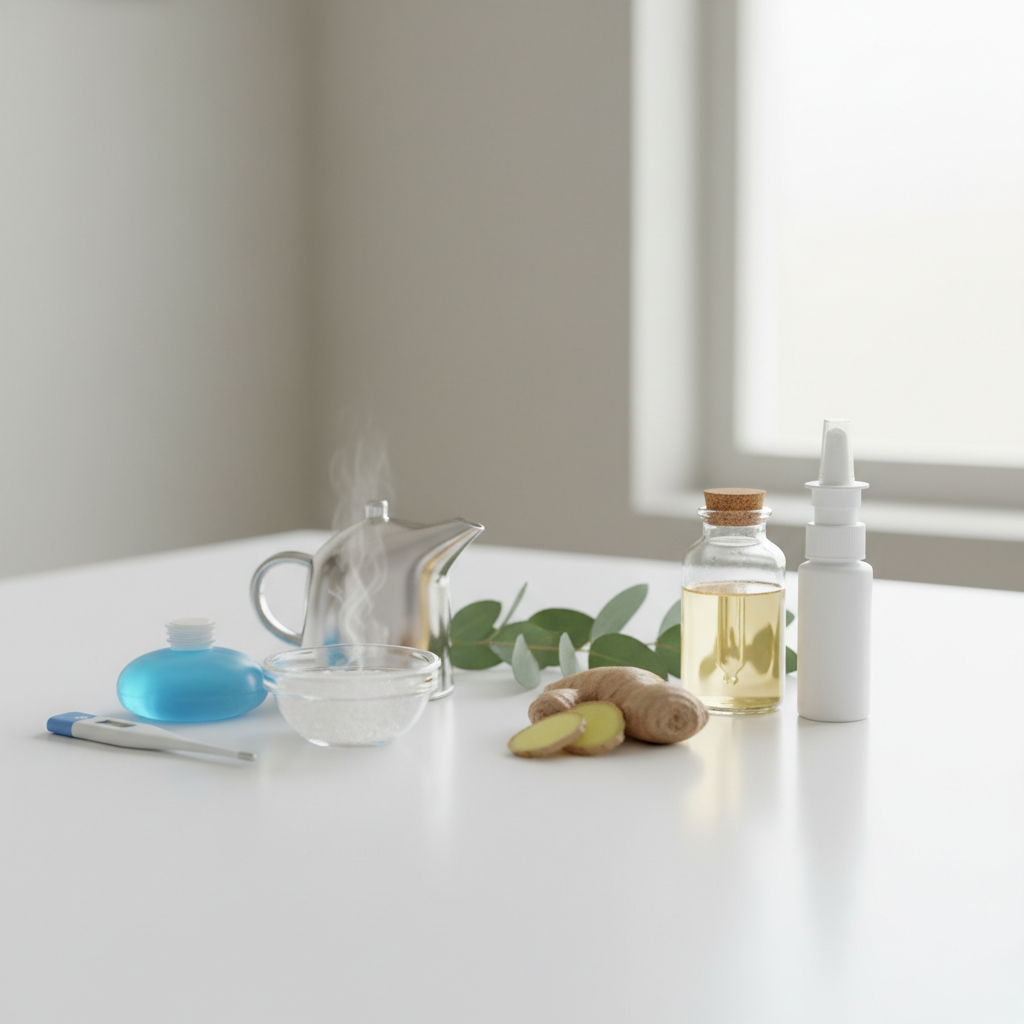
Fast-Acting Relief for Sinus Pressure and Pain
When sinusitis strikes, the pressure, pain, and congestion can feel overwhelming. You want relief, and you want it now. While curing the underlying cause takes time, several methods can provide almost immediate comfort by helping to open nasal passages, thin mucus, and soothe inflammation. These techniques focus on alleviating symptoms right away so you can feel more comfortable while your body fights off the infection or irritant.
1. Steam Inhalation
One of the quickest and most effective ways to find relief is by inhaling steam. The warm, moist air helps to moisturize your irritated sinus passages and thin out the thick mucus that's causing the blockage. As the mucus becomes less viscous, it can drain more easily, which in turn reduces the painful pressure in your forehead, cheeks, and around your eyes. This method is simple, requires no special equipment, and can be done multiple times a day for consistent comfort.
To try this, carefully pour hot, steaming water into a large bowl. Lean over the bowl, keeping your face a safe distance away to avoid burns, and drape a towel over your head to trap the steam. Breathe deeply through your nose for 5 to 10 minutes. For an added soothing effect, you can add a few drops of eucalyptus or peppermint essential oil to the water, as these oils have properties that can help open up airways.
2. Saline Nasal Spray
A sterile saline nasal spray is a gentle yet powerful tool for immediate sinus relief. Available over-the-counter, these sprays work by introducing a simple saltwater solution into your nasal passages. This moisture helps to hydrate dry tissues and, more importantly, it helps to flush out allergens, irritants, and thickened mucus. By clearing out this debris, the spray can reduce inflammation and help restore normal sinus drainage almost instantly.
Using a saline spray is straightforward. Gently insert the nozzle into one nostril, aim it toward the back of your head (not straight up), and squeeze the bottle. Sniff gently to draw the solution further into your nasal passages. Repeat on the other side. Saline sprays are safe to use as often as needed and are a great first line of defense against sinus congestion.
3. Neti Pot or Sinus Rinse Bottle
For a more thorough cleansing of the nasal passages, a neti pot or sinus rinse bottle is an excellent option. This technique, known as nasal irrigation, involves flushing your sinuses with a saline solution to wash away mucus and allergens completely. It can provide profound relief from pressure by physically clearing the blockages that are causing the discomfort. Many people report feeling a significant reduction in pressure immediately after using a sinus rinse.
It is critically important to use only distilled, sterile, or previously boiled and cooled water for nasal irrigation. Using tap water can introduce harmful organisms into your sinuses. Mix the safe water with a pre-packaged saline rinse packet or a non-iodized salt and baking soda mixture. Tilt your head over a sink, pour the solution into your upper nostril, and let it drain out of the lower one. This provides a deep clean that a simple spray cannot match.
4. Apply a Warm Compress
The pain and pressure from sinusitis are often concentrated in the face—around the eyes, across the cheeks, and in the forehead. A warm compress can provide immediate, targeted relief to these sore areas. The gentle heat helps to soothe the pain and can also help to warm the nasal passages, which encourages the mucus inside to loosen up and begin draining. It’s a simple, comforting remedy that directly addresses the most prominent symptom of sinus pressure.
To make a warm compress, soak a clean washcloth in warm (not hot) water and wring out the excess. Lie down or recline in a comfortable chair and place the warm cloth over your nose, cheeks, and forehead. Relax and leave it in place for 10 to 15 minutes. You can repeat this process several times throughout the day whenever you feel a buildup of pressure.
5. Hydrate Aggressively
While it may not feel like an "instant" fix, drinking plenty of fluids is one of the most important things you can do for sinus relief, and its effects begin right away. Staying well-hydrated keeps your mucus thin and watery, making it much easier for your sinuses to drain. When you're dehydrated, mucus becomes thick and sticky, which is a primary cause of sinus blockages and pressure. Increasing your fluid intake is a foundational step that makes all other remedies more effective.
Aim to drink plenty of water throughout the day. Warm beverages like herbal tea or clear broth can be especially beneficial, as they provide hydration and the added benefit of soothing steam. Avoid beverages that can lead to dehydration, such as alcohol and excessive caffeine.
6. Elevate Your Head
Gravity can be your best friend or your worst enemy when dealing with sinusitis. When you lie down flat, mucus can pool in your sinuses, increasing pressure and making it harder to breathe. By simply elevating your head, you allow gravity to assist with drainage, preventing that uncomfortable buildup of pressure. This is particularly important when you're resting or sleeping, as it can significantly improve your comfort and sleep quality.
When you go to bed or lie down to rest, use an extra pillow or two to prop up your head. The goal is to keep your head above the level of your heart. This simple adjustment encourages mucus to flow out of the sinuses rather than settling in them, providing passive relief while you rest.
Understanding What Causes Sinus Pressure
To effectively manage sinus pain, it's helpful to understand what's happening inside your head. Your sinuses are a system of hollow, air-filled cavities located in your skull—in your cheekbones, forehead, between your eyes, and behind your nose. They are lined with a soft tissue that produces a thin layer of mucus. This mucus traps dust, germs, and other airborne particles, and tiny hairs called cilia sweep it toward the back of your throat to be swallowed.
Sinusitis occurs when this lining becomes inflamed, usually due to a viral infection (like the common cold), allergies, or sometimes bacteria. This inflammation causes the sinus openings to swell shut, trapping air and mucus inside. The trapped mucus becomes a breeding ground for germs, and the body's immune response creates even more inflammation. This combination of trapped fluid and inflammation is what creates the intense feeling of pressure, fullness, and pain that characterizes a sinus infection.
Common Questions About Managing Sinusitis
When Should You See a Doctor for Sinus Pain?
While many cases of sinusitis are viral and resolve on their own with at-home care, there are certain signs that indicate it's time to seek professional medical advice. If your symptoms persist for more than 10 days without any improvement, it could be a sign of a bacterial infection that requires antibiotics. You should also see a doctor if you experience a severe, unrelenting headache or facial pain that isn't managed by over-the-counter pain relievers.
Other red-flag symptoms include a high fever (typically over 102°F or 39°C), any changes in your vision such as double vision, or swelling and redness around your eyes. Another key indicator is a pattern of getting better and then suddenly getting worse, which can suggest a secondary bacterial infection has taken hold after the initial viral illness. A doctor can properly diagnose the cause of your sinusitis and prescribe the appropriate treatment, whether it's antibiotics, steroids, or other prescription medications.
Can Certain Foods Make Sinusitis Worse?
The relationship between diet and sinusitis can be highly individual, but some people find that certain foods can exacerbate their symptoms. Foods that promote inflammation in the body, such as those high in refined sugar, processed carbohydrates, and unhealthy fats, may worsen the inflammatory response in your sinuses. Additionally, alcohol is a known trigger for many, as it can dehydrate you and cause the tissues in your nose and sinuses to swell, leading to more congestion.
For a subset of people, dairy products are believed to thicken mucus, making it more difficult to drain. While scientific evidence on this is mixed, if you notice a personal connection, it may be worth avoiding milk, cheese, and yogurt temporarily. Similarly, foods high in histamines, like aged cheeses, fermented foods, and wine, can trigger allergy-like symptoms in sensitive individuals, worsening nasal congestion and pressure. Keeping a food diary can help you identify any personal triggers that may be contributing to your discomfort.
What's the Difference Between a Sinus Headache and a Migraine?
It's very common to mistake a migraine for a sinus headache because the symptoms can overlap. However, they are distinct conditions with different treatments. A true sinus headache is caused directly by the pressure from sinusitis. The pain is typically a constant, dull ache located over the affected sinuses—the forehead, cheeks, or bridge of the nose. This pain often feels worse when you bend forward and is almost always accompanied by other classic sinus symptoms, like thick, discolored nasal discharge, congestion, and sometimes a fever.
A migraine, on the other hand, is a neurological condition. The pain is often, but not always, a throbbing or pulsing sensation on one side of the head. Crucially, migraines are frequently accompanied by other symptoms that are not typical of sinusitis, such as nausea, vomiting, and extreme sensitivity to light and sound. While some people with migraines do experience nasal stuffiness or a runny nose, these are usually secondary symptoms. If your "sinus headaches" are recurrent and come with these additional symptoms, it's highly likely they are actually migraines, and you should consult a doctor for a proper diagnosis.
Conclusion
Finding fast relief from sinusitis is focused on addressing the immediate symptoms of pressure, pain, and congestion. Techniques like steam inhalation, saline rinses, warm compresses, and staying hydrated can provide significant comfort almost right away by helping to thin and drain mucus. Understanding what's causing the pressure and knowing when to seek medical help are also key parts of managing the condition effectively. While these at-home remedies are powerful tools for symptom management, persistent or severe symptoms always warrant a visit to a healthcare professional for a complete diagnosis and treatment plan.