Effective Strategies for Safely Eliminating Fleas from Your Cat
Discovering fleas on your cat can be overwhelming, but finding the right solution is easier than you think. This guide breaks down the most effective methods for treating both your cat *and* your home.
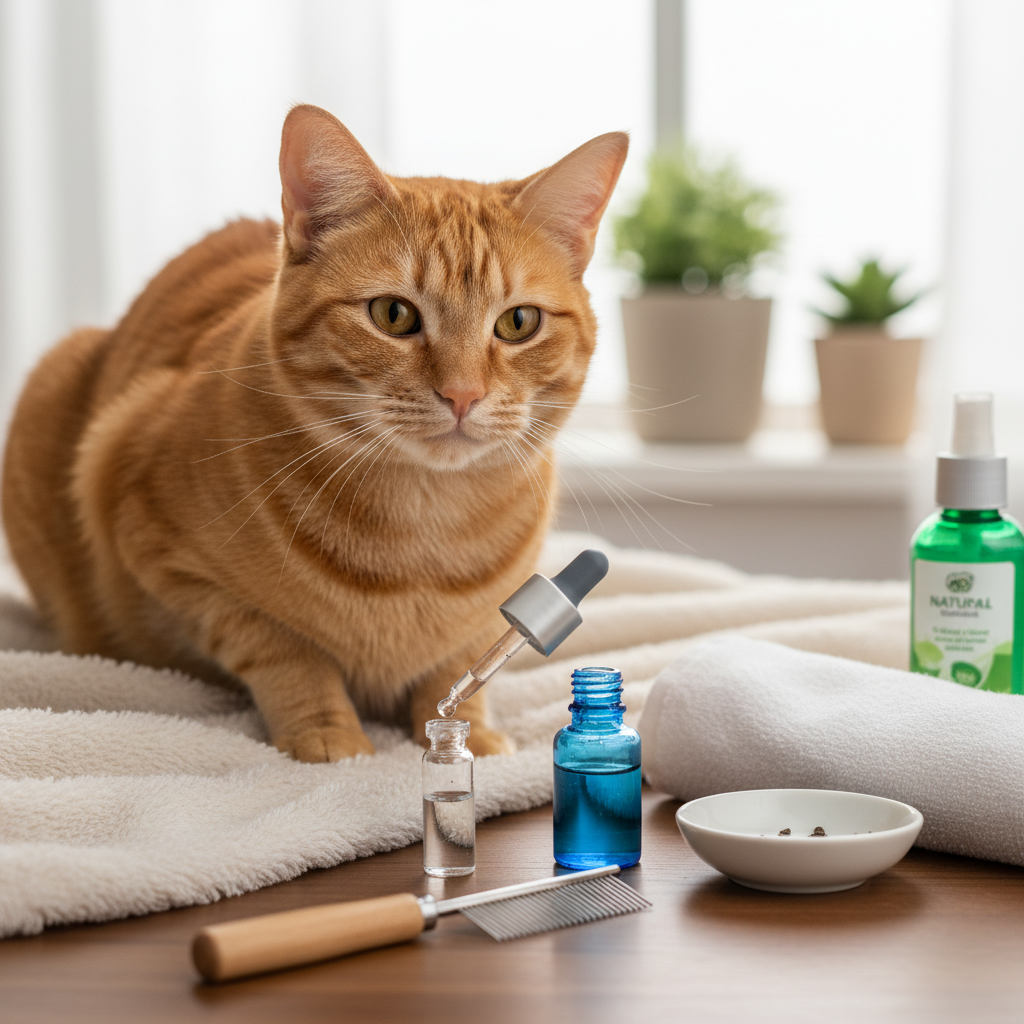
How To Get Rid Of Fleas On Cats: A Comprehensive Guide
Discovering fleas on your feline friend can be a distressing experience for any pet owner. These tiny parasites are not only a source of irritation and discomfort for your cat, but they can also lead to more serious health issues like anemia, tapeworms, and skin infections. Furthermore, a few fleas on your cat can quickly turn into a major infestation in your home. Tackling a flea problem requires a multi-faceted approach that addresses both your pet and your living environment. This guide provides a detailed overview of the most common and effective methods for getting rid of fleas on cats.
Using Topical Flea Treatments (Spot-Ons)
Topical treatments, commonly known as "spot-ons," are one of the most popular and effective methods for flea control. These are liquid medications that come in small, pre-dosed vials and are applied directly to the cat's skin, typically on the back of the neck where the cat cannot lick it off. The active ingredients are absorbed into the cat's system or spread across the skin's oils. These ingredients work to kill adult fleas upon contact or after they bite, often within hours of application. Many formulations also contain an Insect Growth Regulator (IGR), which is crucial for breaking the flea life cycle by preventing flea eggs and larvae from developing into adult fleas.
When choosing a spot-on treatment, it is absolutely critical to use a product specifically formulated for cats. Products designed for dogs often contain permethrin or other chemicals that are highly toxic to felines and can cause severe neurological damage or even be fatal. Always follow the manufacturer's instructions carefully regarding the dosage based on your cat's weight and the frequency of application, which is usually once a month. Consulting with your veterinarian before starting any treatment can help you choose the safest and most effective option for your cat's specific health needs and lifestyle.
Oral Flea Medications (Pills and Chews)
Oral medications are another highly effective way to combat fleas. These come in the form of pills or flavored chews that are given to your cat, typically on a monthly basis. Once ingested, the active ingredient enters the cat's bloodstream. When a flea bites the cat, it ingests the medicated blood and is killed, often very quickly. This rapid action is beneficial for cats with flea allergy dermatitis (FAD), as it minimizes the number of bites they receive, thereby reducing allergic reactions. Many cat owners find oral medications convenient as there is no messy liquid to apply and no need to worry about the medication washing off if the cat gets wet.
Similar to topical treatments, there are different types of oral medications available. Some are designed to kill adult fleas, while others work as insect development inhibitors, sterilizing the fleas that bite so they cannot lay viable eggs. Some products even combine both functions. Oral medications require a prescription from a veterinarian, which ensures your cat is a good candidate for the medication and receives the correct dosage. It's a great option for households with small children or other pets, as there's no external chemical residue to worry about.
Flea Shampoos
Bathing your cat with a specially formulated flea shampoo can be an effective way to kill the adult fleas currently on its body. These shampoos contain medicated ingredients that are lethal to fleas but are generally safe for feline use when the instructions are followed. A flea bath can provide immediate relief for a heavily infested cat, washing away both live fleas and "flea dirt" (flea feces). The process can be a good first step in a larger flea treatment plan, especially for cats that are tolerant of water.
However, it's important to understand the limitations of flea shampoos. Most of their effects are short-lived; they kill the fleas on the cat at the time of the bath but typically offer little to no residual protection. This means that once the cat is dry, new fleas from the environment can jump right back on. Therefore, shampooing should not be used as a standalone solution. It must be combined with a longer-lasting preventive treatment (like a spot-on or oral medication) and thorough environmental cleaning to effectively eradicate the entire flea population and prevent re-infestation.
Flea Collars
Flea collars have evolved significantly over the years. Modern flea collars are not just repellent devices; many are designed to release active ingredients that spread over the cat's skin and coat, killing fleas and ticks on contact. These collars can offer long-lasting protection, with some brands providing continuous flea control for up to eight months. This makes them a convenient, low-maintenance option for many cat owners. For a collar to be effective, it must make proper contact with the cat's skin, so a correct fit is essential—snug enough to make contact but loose enough to fit two fingers underneath.
When selecting a flea collar, quality and safety are paramount. Cheaper, older-generation collars found in supermarkets may only have a repellent effect or contain harsh chemicals that can irritate a cat's skin. It's best to choose a reputable, veterinarian-recommended brand. Additionally, it's crucial to monitor your cat for any signs of irritation or allergic reaction around the neck. Ensure the collar is a "breakaway" collar, which is designed to snap open if it gets caught on something, preventing the risk of choking.
Flea Combs
A fine-toothed flea comb is an indispensable, non-chemical tool in any cat owner's flea-fighting arsenal. Combing your cat daily serves several purposes. Firstly, it physically removes adult fleas, eggs, and flea dirt from your cat's fur, providing immediate, albeit partial, relief. This is an especially safe method for very young kittens, pregnant cats, or cats with health issues who may not be able to use chemical treatments. The process of combing can also be a bonding experience and allows you to regularly monitor the severity of the infestation.
To use a flea comb effectively, have a bowl of hot, soapy water nearby. As you comb through your cat's fur, especially around the neck, back, and base of the tail where fleas love to hide, dip the comb into the soapy water after each pass. The soap breaks the surface tension of the water, ensuring the fleas drown and cannot jump out. While flea combing is a great monitoring and removal tool, it is not a complete solution. Since it only removes a fraction of the fleas present, it must be used in conjunction with other treatments that target the entire flea life cycle.
Understanding the Flea Life Cycle: Why It Matters
To truly win the war against fleas, it's essential to understand your enemy. The flea life cycle consists of four distinct stages: egg, larva, pupa, and adult. What many pet owners don't realize is that the adult fleas you see on your cat represent only about 5% of the total flea population in your home. The other 95% exists in the environment as eggs, larvae, and pupae, hidden in your carpets, furniture, bedding, and floorboards.
- Eggs: An adult female flea can lay up to 50 eggs per day. These eggs are not sticky and fall off your cat as it moves around your home, effectively seeding the environment.
- Larvae: Within days, the eggs hatch into tiny, worm-like larvae. These larvae avoid light and burrow deep into carpet fibers, upholstery, and cracks, feeding on organic debris and "flea dirt."
- Pupae: The larvae then spin a sticky cocoon to become pupae. This is the most resilient stage of the flea life cycle. The cocoon protects the developing flea from chemicals and can remain dormant for weeks or even months, waiting for the right stimulus—like the heat, vibration, or carbon dioxide from a passing host—to emerge.
- Adults: Once an adult flea emerges from its cocoon, it must find a host for a blood meal within a few hours to survive. This is the stage where the cycle begins anew.
This life cycle explains why treatments that only kill adult fleas are often insufficient. If you only kill the fleas on your cat, the eggs, larvae, and pupae in the environment will continue to develop, leading to a new wave of adult fleas and a seemingly endless infestation. A successful flea control strategy must break this cycle by targeting fleas at multiple life stages, both on your pet and in your home.
Answering Your Top Questions About Cat Fleas
How Do I Treat My Home for Fleas?
Treating your home is just as important as treating your cat. Start by thoroughly vacuuming all carpets, rugs, upholstered furniture, and hardwood floors. Pay special attention to areas where your cat spends a lot of time. The vacuum's vibration can stimulate pupae to hatch, and the suction will remove many eggs, larvae, and newly emerged adults. After vacuuming, seal the bag or empty the canister outside immediately to prevent fleas from escaping.
Next, wash all of your cat's bedding, your own bedding, and any machine-washable fabrics in hot water. High heat will kill fleas at all life stages. For a more severe infestation, you may need to use an environmental flea spray or fogger. Look for products that contain both an adulticide to kill adult fleas and an Insect Growth Regulator (IGR) to stop the development of eggs and larvae. Always follow the product's safety instructions carefully, ensuring pets and people are out of the area during treatment and until it is safe to return.
Are Natural or DIY Flea Remedies Safe for Cats?
Many cat owners are interested in natural remedies, but it's crucial to approach them with extreme caution. Many substances that are harmless to humans or dogs can be toxic to cats. For instance, essential oils (such as tea tree, peppermint, citrus, or lavender) are often touted as natural flea repellents, but they are highly toxic to cats and can cause liver failure, seizures, and other severe reactions, whether ingested, inhaled, or absorbed through the skin.
Other popular DIY remedies, like garlic or brewer's yeast, have not been scientifically proven to be effective and can cause health problems in large quantities. While diatomaceous earth can kill fleas through dehydration, inhaling the dust can be harmful to both you and your cat's respiratory systems. Apple cider vinegar is not effective at killing or repelling fleas. Ultimately, the safest and most effective approach is to use a product that has been tested and approved for feline use, as recommended by your veterinarian.
Can Fleas from My Cat Live on Humans?
This is a very common concern. The most common flea found on cats is the cat flea (Ctenocephalides felis). While these fleas prefer a feline or canine host, they are opportunistic and will bite humans if a preferred host isn't available, especially during a heavy infestation. These bites often occur around the ankles and lower legs and can be very itchy.
However, the good news is that while cat fleas will bite humans, they cannot live or reproduce on us. Human blood is not sufficient for them to survive long-term or lay viable eggs, and they have difficulty clinging to our relatively hairless skin. So, while you may get bitten, you won't become infested yourself. The key to stopping the bites is to eradicate the flea population from your pet and your home environment.
Final Thoughts on Keeping Your Cat Flea-Free
Getting rid of fleas on your cat is a process that requires patience and a comprehensive plan. The most successful strategies involve a two-pronged attack: treating your cat with a safe, effective, and veterinarian-approved product, and simultaneously treating your home to eliminate the 95% of the flea population that lives in the environment. Regular cleaning and consistent use of preventive medication are the best ways to ensure fleas don't become a recurring problem.
If you are unsure which product to use or if the infestation persists despite your best efforts, always consult your veterinarian. They can provide the best advice for your cat's specific situation and help you choose a treatment plan that will keep your feline companion healthy, comfortable, and, most importantly, flea-free.
For more information from trusted sources, you can visit: