Effective Strategies to Manage Chronic Sinus Issues Safely
Dealing with chronic sinus issues feels like a constant battle against pressure, pain, and congestion. To help you find what actually works, we're breaking down the most effective solutions available.
Effective Strategies and Treatments for Chronic Sinus Issues
Living with chronic sinus issues, also known as chronic sinusitis, can be a frustrating and exhausting experience. The persistent congestion, facial pressure, and drainage can impact your daily life, from sleep quality to overall comfort. Fortunately, a wide range of strategies and treatments exist to help manage symptoms and provide lasting relief. Finding the right approach often involves a combination of at-home care, over-the-counter solutions, and medical intervention tailored to your specific condition.
Understanding these options is the first step toward breathing easier. Below is a detailed breakdown of the most common and effective methods for managing chronic sinus problems.
Saline Nasal Rinses
One of the simplest yet most effective first-line defenses against sinus discomfort is the use of saline nasal rinses. This practice involves flushing the nasal passages with a saltwater solution using a device like a neti pot, squeeze bottle, or a pre-filled canister. The primary goal of a saline rinse is to thin out and wash away mucus, allergens, and other irritants that have become trapped in the sinuses. This process not only clears congestion but also helps moisturize the nasal passages, reducing inflammation and irritation.
To perform a saline rinse safely and effectively, it is crucial to use only distilled, sterile, or previously boiled water. Using tap water can introduce potentially harmful microorganisms into your sinuses, leading to serious infections. Regular use, often once or twice daily, can significantly reduce symptoms of congestion and post-nasal drip, making it a cornerstone of long-term sinus maintenance.
Nasal Corticosteroid Sprays
For many individuals suffering from chronic sinusitis, inflammation is the primary culprit. Nasal corticosteroid sprays are designed to tackle this issue directly. These sprays, available both over-the-counter and by prescription, deliver a small, localized dose of steroids to the nasal passages. Unlike decongestant sprays, they don’t provide immediate relief. Instead, they work over time to reduce swelling and inflammation, which in turn opens up the sinus pathways, allowing for better drainage and airflow.
Consistent, daily use is key to achieving the full benefits of corticosteroid sprays. They are considered very safe for long-term use because the medication acts locally in the nose with minimal absorption into the rest of the body. They are often recommended by otolaryngologists (ENTs) as a foundational treatment for managing the persistent inflammation associated with chronic sinusitis.
Humidifiers and Steam Inhalation
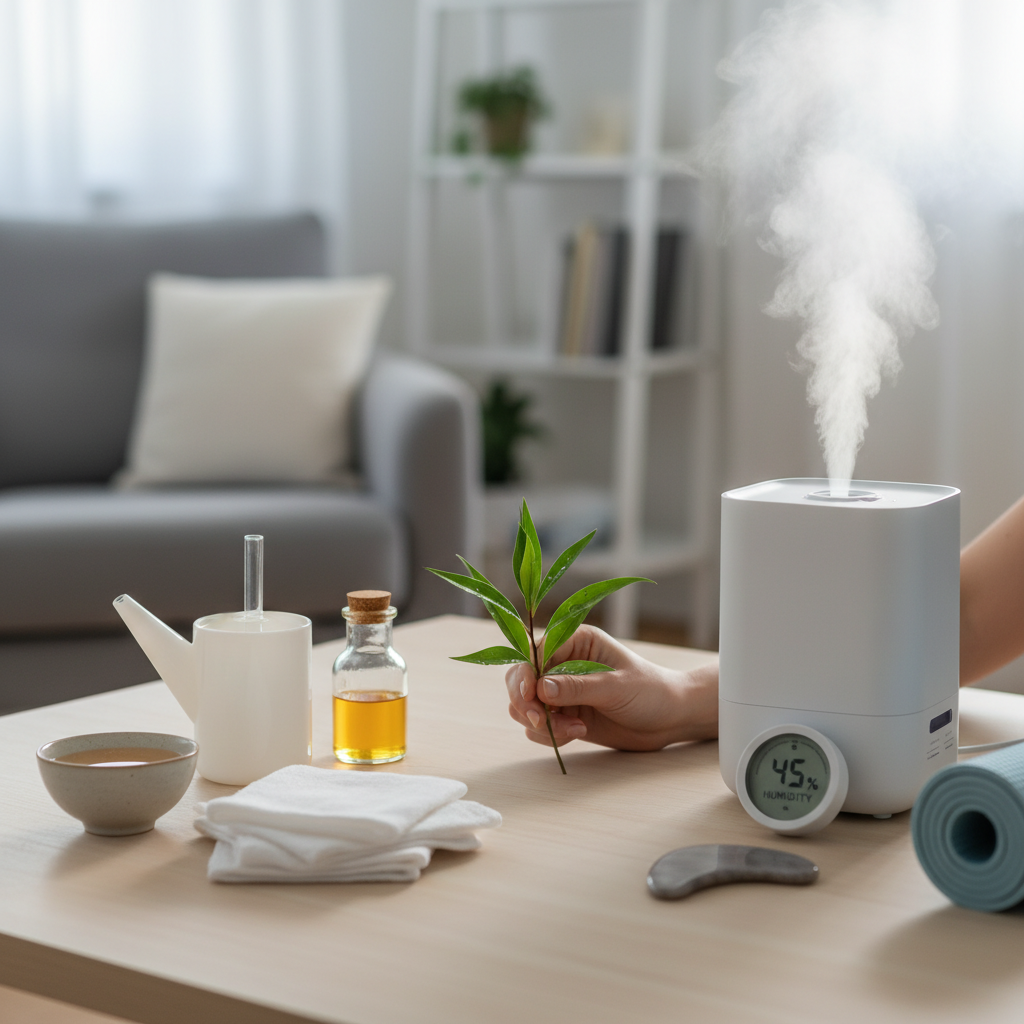
Dry air can wreak havoc on sensitive sinus tissues, thickening mucus and exacerbating irritation. Introducing moisture into the air is a gentle but powerful way to soothe your nasal passages. Using a humidifier in your bedroom while you sleep helps keep the air moist, which can prevent your sinuses from drying out overnight. This added humidity helps thin mucus, making it easier for it to drain naturally.
Similarly, steam inhalation can provide more immediate, targeted relief. You can achieve this by taking a hot shower, leaning over a bowl of hot water with a towel over your head, or using a personal steam inhaler. The warm, moist air helps to open up congested nasal passages and provides a soothing effect on inflamed tissues. For both humidifiers and inhalers, be sure to clean them regularly according to manufacturer instructions to prevent the growth of mold and bacteria.
Hydration and Diet
What you put into your body plays a significant role in your sinus health. Staying well-hydrated by drinking plenty of water throughout the day is essential for keeping mucus thin and flowing properly. When you're dehydrated, mucus becomes thicker and stickier, making it more likely to clog your sinuses and create an environment where infections can develop. Aim for clear fluids like water and herbal teas.
While diet is not a cure, certain foods may help reduce inflammation. A diet rich in fruits, vegetables, and omega-3 fatty acids (found in fish and flaxseed) can have anti-inflammatory effects. Conversely, some people find that certain foods, like dairy or refined sugar, can increase mucus production or worsen inflammation. Paying attention to how your body responds to different foods can be a helpful part of a holistic management plan.
Allergy Management
There is a strong link between allergies and chronic sinusitis. Allergic reactions cause inflammation in the nasal passages, which can block sinus drainage and lead to chronic issues. If you have known allergies, managing them effectively is critical. This may involve using over-the-counter antihistamines, avoiding known triggers like pollen, dust mites, or pet dander, and using air purifiers with HEPA filters in your home.
If you suspect allergies are contributing to your sinus problems but are unsure of the cause, it may be beneficial to see an allergist for testing. Identifying specific triggers allows you to create a more targeted plan to avoid them. For severe allergies, a doctor might recommend prescription medications or immunotherapy (allergy shots) to desensitize your body to specific allergens over time.
Surgical Interventions
When conservative treatments fail to provide adequate relief, a doctor may recommend a surgical procedure. These interventions are typically reserved for individuals with anatomical issues, such as a deviated septum or nasal polyps, or for those whose sinuses remain stubbornly blocked. The most common procedure is Functional Endoscopic Sinus Surgery (FESS). During FESS, a surgeon uses a thin, lighted tool called an endoscope to view the sinuses and remove any blockages, such as polyps or excess tissue, to improve drainage.
Another, less invasive option is Balloon Sinuplasty. In this procedure, a small, flexible balloon catheter is inserted into the blocked sinus passage and inflated. This gently restructures and widens the sinus walls, opening the passageway without the need to cut tissue. The choice of procedure depends on the underlying cause and severity of your chronic sinusitis and should be discussed thoroughly with an ENT specialist.
References
- Verywell Health – Ways to Clear Blocked Sinuses Naturally
http://www.verywellhealth.com/ways-to-clear-blocked-sinuses-11688373 - Health.com – Sinus Home Remedies & Relief Tips
http://www.health.com/condition/sinus-disorders/home-remedies-sinus-infection - MedicineNet – Natural Home Remedies for Sinusitis & Sinus Care
http://www.medicinenet.com/natural_home_remedies_sinus_infections_sinusitis/article.htm