Effective Tips for Managing Gout Pain
If you’re dealing with the intense, sudden pain of a gout flare-up, you're in the right place for real solutions. We’ll walk you through the immediate steps you can take at home to calm the inflammation and reduce the throbbing.
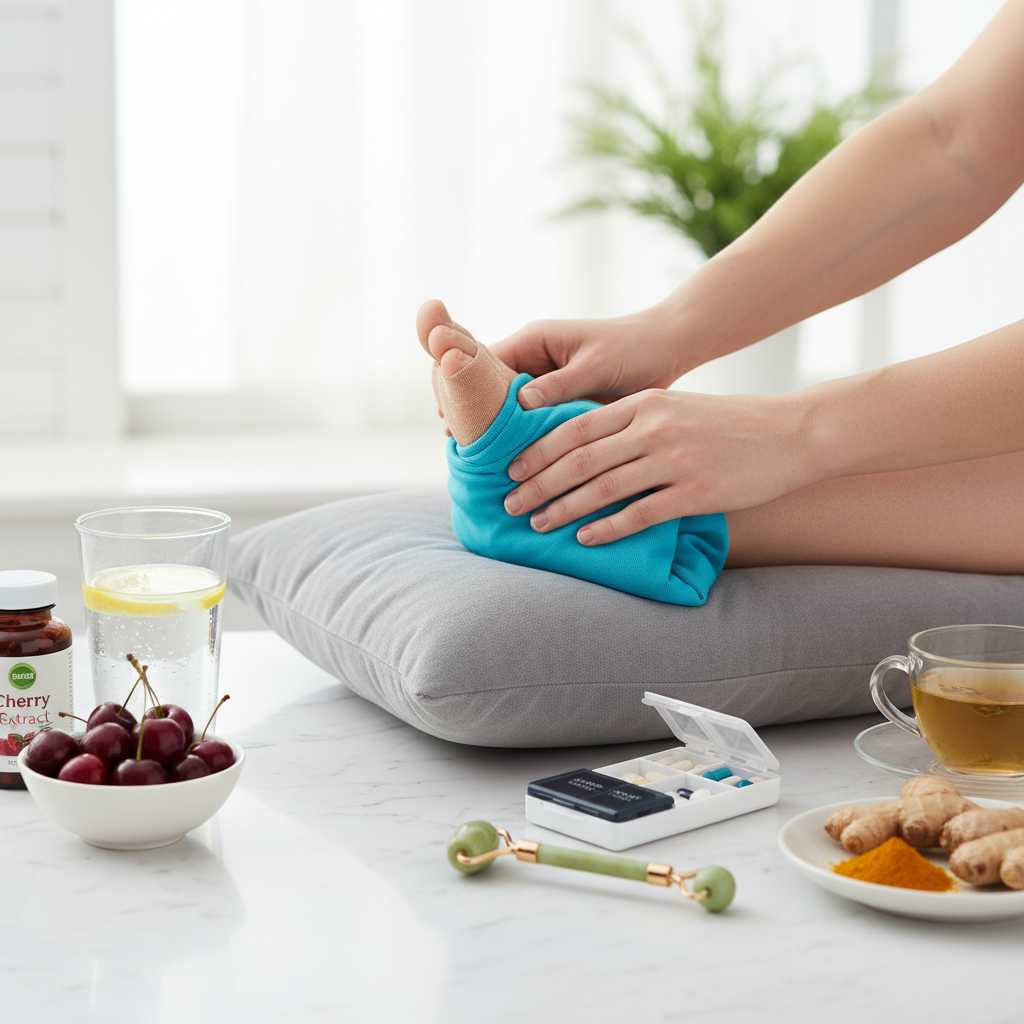
Effective Strategies to Relieve Gout Pain
Gout attacks, often called flares, can cause sudden and excruciating pain in a joint, most commonly the big toe. This intense discomfort is due to the buildup of uric acid crystals, which trigger a powerful inflammatory response. When you're in the midst of a flare-up, finding quick and effective relief is the top priority. Fortunately, a combination of medical treatments and at-home remedies can significantly reduce pain and inflammation.
It's important to act quickly at the first sign of a flare. The sooner you begin to address the inflammation, the more effective these strategies will be in shortening the duration and severity of the attack. Here are some of the most widely recommended methods for relieving gout pain.
1. Take Over-the-Counter Anti-Inflammatory Medications
For many people, the first line of defense is a nonsteroidal anti-inflammatory drug (NSAID). Medications like ibuprofen (Advil, Motrin) and naproxen sodium (Aleve) are readily available and work by reducing the inflammation and pain associated with the gout flare. They block the body's production of prostaglandins, which are chemicals that promote inflammation, pain, and fever. It is crucial to take these as directed and to be aware of potential side effects, especially if you have kidney issues, stomach ulcers, or are taking blood thinners.
While effective, NSAIDs are not suitable for everyone. Aspirin, for example, should be avoided as it can sometimes alter uric acid levels and potentially worsen the attack. Always consult with a healthcare professional before starting any new medication, even over-the-counter ones, to ensure it is safe for your specific health situation.
2. Apply a Cold Compress
Applying cold to the affected joint is a simple yet powerful way to ease gout pain. A cold compress or an ice pack wrapped in a thin towel can help numb the area, reduce swelling, and dull the intense throbbing sensation. The cold temperature constricts blood vessels, which helps to decrease blood flow to the area and limit the inflammatory response. This is a non-invasive, drug-free method that can provide immediate, albeit temporary, relief.
For best results, apply the cold pack to the joint for about 15-20 minutes at a time, several times a day. Be sure to wrap the ice or cold pack in a cloth to protect your skin from ice burn. This technique is particularly helpful during the first 24 to 48 hours of a flare-up when inflammation is at its peak.
3. Elevate the Affected Joint
Gravity plays a role in swelling. When you elevate the painful joint, you help to reduce the fluid buildup and pressure in that area. If your gout is in your foot or ankle, try to prop it up on a stack of pillows so that it is higher than the level of your heart. This simple act encourages fluid to drain away from the inflamed joint, which can provide significant relief from the throbbing pain and reduce overall swelling.
Combining elevation with rest is a cornerstone of managing an acute gout attack. By taking the weight off the joint and raising it, you give your body a better chance to manage the inflammation without added stress or pressure. This is an easy and effective strategy you can use anytime, whether you're resting on the couch or in bed.
4. Stay Well-Hydrated
Drinking plenty of water is essential for managing gout, both during a flare and for long-term prevention. Proper hydration helps your kidneys function more efficiently, allowing them to flush excess uric acid from your body through urine. During an attack, increasing your water intake can help dilute the concentration of uric acid in your bloodstream and may speed up the process of clearing the crystals from your system.
Aim to drink at least 8 to 12 glasses of water a day, and even more during a flare-up. While water is best, other clear fluids like herbal tea can also contribute to your hydration. Avoid sugary drinks, sodas, and alcohol, as these can dehydrate you and often contain substances that can worsen gout.
5. Rest the Joint Completely
When a joint is inflamed and in excruciating pain, the last thing you should do is put pressure on it. Rest is a critical component of recovery. Moving the joint or putting weight on it can aggravate the inflammation and intensify the pain. If the gout attack is in your foot, ankle, or knee, stay off your feet as much as possible. Using a cane or crutches can help you move around without bearing weight on the affected limb.
During an attack, your joint is extremely sensitive. Even the light pressure of a bedsheet can feel unbearable to some. Protecting the joint from any unnecessary contact or movement gives the inflammatory process a chance to subside, leading to a quicker recovery.
6. Consider Prescription Medications
If over-the-counter options aren't enough, a doctor can prescribe more powerful medications. Colchicine is a common anti-inflammatory drug specifically used for gout that can be very effective if taken at the first sign of a flare. Corticosteroids, such as prednisone, can also be used to quickly and powerfully suppress inflammation. These can be taken orally or, in some cases, injected directly into the affected joint for rapid relief.
These medications are highly effective but come with potential side effects and require a doctor's supervision. They are typically used for short-term relief of acute attacks. For individuals with chronic gout, a doctor may also prescribe long-term medications designed to lower the body's overall uric acid levels, such as allopurinol or febuxostat, to prevent future flares.
Understanding Gout: What Causes the Pain?
To effectively manage gout, it's helpful to understand what’s happening inside your body. Gout is a form of inflammatory arthritis caused by a condition known as hyperuricemia, which means there is too much uric acid in the blood. Uric acid is a natural waste product created when the body breaks down purines—substances found in many foods and also produced naturally by the body.
Normally, your kidneys filter uric acid out of your blood and excrete it in your urine. However, if your body produces too much uric acid or your kidneys don't excrete enough, it can build up. Over time, this excess uric acid can form sharp, needle-like crystals called monosodium urate crystals. These crystals tend to accumulate in a joint or the surrounding tissue. The body's immune system sees these crystals as foreign invaders and launches a powerful inflammatory attack, sending white blood cells to the area. This immune response is what causes the classic gout symptoms: intense pain, redness, heat, and swelling.
Common Questions About Managing Gout
What Foods Should I Avoid to Prevent Gout Flares?
Diet plays a significant role in managing uric acid levels and preventing gout attacks. Certain foods are high in purines, which your body breaks down into uric acid. Limiting these foods can be a key part of a long-term gout management strategy. High-purine foods to moderate or avoid include red meats (like beef and lamb), organ meats (such as liver and kidney), and some types of seafood (like anchovies, sardines, mussels, and tuna).
Beverages can also be major triggers. Alcohol, especially beer, is strongly linked to gout flares because it increases uric acid production and makes it harder for the kidneys to eliminate it. Sugary drinks, particularly those sweetened with high-fructose corn syrup, have also been shown to raise uric acid levels. Focusing on a diet rich in vegetables, fruits, and whole grains while staying well-hydrated with water is a beneficial approach for anyone with gout.
When Should I See a Doctor for Gout Pain?
While many gout flares can be managed at home, there are times when seeking medical attention is crucial. You should see a doctor if you are experiencing symptoms of a gout attack for the first time. A proper diagnosis is important to rule out other conditions, such as a joint infection, which can have similar symptoms but requires different treatment. A doctor can confirm the diagnosis by drawing fluid from the joint to look for urate crystals.
You should also contact your doctor if your pain is severe and unmanageable with at-home care, if the flare lasts longer than usual, or if you develop a high fever and chills. A fever could be a sign of an infection, which is a medical emergency. Additionally, if you are experiencing frequent gout attacks, it's a clear sign that your long-term management plan needs to be adjusted, and a healthcare provider can discuss medications that lower uric acid levels to prevent future episodes.
Can Lifestyle Changes Help Manage Gout Long-Term?
Absolutely. While medication is often necessary to control severe or chronic gout, lifestyle modifications are fundamental to long-term management and can significantly reduce the frequency and severity of flares. Maintaining a healthy weight is one of the most effective ways to manage gout. Excess body weight increases uric acid production and puts additional stress on your joints, particularly weight-bearing ones like the knees and feet.
In addition to dietary changes, regular physical activity can help with weight management and improve overall joint health. Low-impact exercises such as swimming, walking, and cycling are excellent choices as they are gentle on the joints. Consistently making healthy choices regarding diet, exercise, and hydration can work in tandem with medical treatments to keep uric acid levels in check and help you lead a life with fewer interruptions from gout.
Key Takeaways for Gout Pain Management
Relieving the intense pain of a gout flare involves a multi-faceted approach. Immediate actions like taking anti-inflammatory medication, applying cold packs, elevating the joint, and resting are crucial for managing acute symptoms. Staying hydrated and being mindful of your diet can also help your body process and eliminate the excess uric acid causing the problem.
For long-term control, understanding the root cause of gout—high uric acid levels—is key. Working with a doctor to develop a comprehensive plan that may include lifestyle adjustments, dietary changes, and preventative medication is the most effective way to reduce the frequency of future attacks and maintain your joint health.