Effective Tips to Manage and Reduce Face Mites Naturally
Discover practical insights on managing your skin's health and learn more about face mites in our latest article. While complete eradication may not be guaranteed, adopting certain skincare habits can significantly reduce their presence.
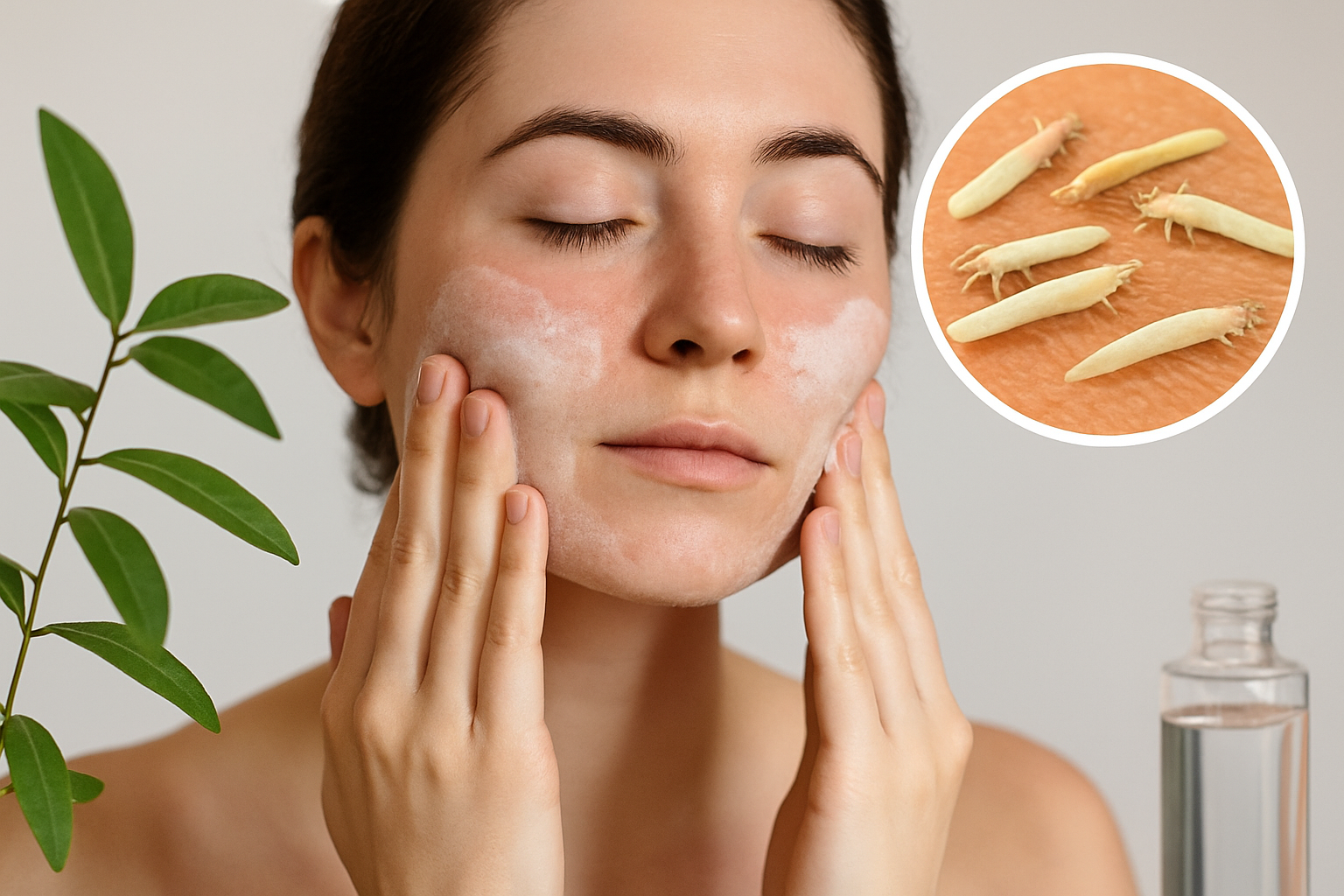
Understanding Face Mites: What Are They?
Face mites, scientifically known as Demodex, are microscopic creatures that inhabit human skin, especially facial regions like the nose, forehead, and cheeks. They are part of a larger group of organisms known as arachnids, which are related to spiders and ticks. Surprisingly, face mites are incredibly common; studies, including one from 2026 conducted by the Skin Microbiome Journal, indicate that almost every adult human harbors these mites in small numbers.
The Lifecycle of Face Mites
The lifecycle of a face mite typically spans about two weeks, during which they proceed through stages such as egg, larvae, nymph, and adult. These mites feed on sebum, the oil secreted by sebaceous glands. Their presence is usually benign, but an overpopulation can lead to skin issues.
Signs of an Overpopulation: When to Be Concerned
Though most people coexist seamlessly with face mites, an infestation can lead to a variety of skin conditions. Here are some signs that might indicate a problem:
- Rosacea: According to research published in the Dermatology Reports in early 2026, people with rosacea often have more Demodex mites on their skin than others.
- Itching and Redness: Unexplained itching, inflammation, and redness may suggest an increase in mite density.
- Acne-like Eruptions: Overpopulation can block hair follicles, leading to acneiform breakouts.
Consulting a Dermatologist
If you're noticing persistent skin symptoms, consulting a dermatologist is recommended. They can perform a skin scrape or biopsy to measure mite density and advise on effective treatment options.
How Can You Get Rid of Face Mites?
Addressing a face mite problem involves maintaining proper skin hygiene and, occasionally, medical intervention. Here's a breakdown of approaches:
Maintaining Good Skin Hygiene
Good practices can reduce mite density and improve skin health:
- Regular Cleansing: Use gentle cleansers specifically formulated for your skin type twice daily to remove excess sebum and debris.
- Exfoliation: Gentle exfoliation once or twice a week can help remove dead skin cells and excess oils, making the environment less hospitable for mites.
- Avoid Heavy Makeup: Heavy cosmetics can clog pores and exacerbate mite infestations.
Medical Treatments
In cases of significant infestations or related skin conditions, medical treatments may be necessary:
- Topical Treatments: Dermatologists may prescribe topical medications like metronidazole or ivermectin, recently found to be effective in a 2026 study published in the Journal of Clinical Dermatology.
- Oral Medications: In severe cases, oral ivermectin or isotretinoin might be prescribed to reduce mite populations effectively.
Natural Remedies
While there's limited scientific backing on natural remedies, some people have found relief using these alternatives:
- Tea Tree Oil: With its natural anti-parasitic properties, diluted tea tree oil can be used to clean affected areas.
- Aloe Vera: Its soothing properties may help calm irritated skin and reduce redness.
Preventing Future Infestations
Prevention is key in managing face mites. Adopting lifelong skin-care habits can minimize the risk of future outbreaks:
- Regularly Change Pillowcases: Dust mites and skin oils can accumulate, creating a breeding ground for face mites.
- Balanced Diet: A diet rich in omega-3 fatty acids, antioxidants, and vitamins supports overall skin health and resilience.
- Stress Management: Stress can exacerbate skin conditions; practices such as meditation or yoga can be beneficial.
Understanding the Broader Implications for Skin Health
Face mites are just one aspect of the intricate ecosystem that is human skin. Balancing this ecosystem is crucial for long-term skin health. According to dermatological research, maintaining a holistic approach to skincare by addressing diet, lifestyle, stress management, and appropriate skincare routines is essential. Nevertheless, seeing a dermatologist remains the best course of action for persistent or severe skin concerns.
For more information and guidance, visit reputable resources like the American Academy of Dermatology or the latest clinical studies available on PubMed.