Effective Tips to Naturally Reduce Puffy Eyes
Waking up with puffy eyes can be frustrating, but you're in the right place to find a simple solution. We're breaking down everything you need to know, from the surprising daily habits that cause puffiness to the quick at-home remedies that can work in minutes.
Effective At-Home Remedies and Lifestyle Changes for Puffy Eyes
Waking up with puffy, swollen eyes can be frustrating, but the good news is that many effective remedies are simple, inexpensive, and can be done right at home. These methods primarily work by reducing fluid retention, constricting blood vessels, and soothing inflammation. Below are some of the most popular and effective techniques to help you reduce eye puffiness quickly and easily.
1. Apply a Cold Compress
One of the fastest and most effective ways to reduce puffiness is to apply cold to the area. The cold temperature helps to constrict blood vessels, which reduces the flow of fluid into the soft tissues around the eyes, thereby decreasing swelling and inflammation. You don’t need any fancy equipment for this; a simple, clean washcloth soaked in cold water will do the trick. Wring out the excess water and gently press it against your closed eyes for 5-10 minutes.
For an even colder, longer-lasting compress, you can use chilled spoons, a gel eye mask kept in the refrigerator, or even a bag of frozen peas wrapped in a soft towel. The key is to apply gentle pressure and allow the cold to work its magic. This method is particularly effective for morning puffiness caused by fluid pooling overnight.
2. Use Chilled Tea Bags
Tea isn't just for drinking; it can be a powerful tool against puffy eyes. Both green and black teas contain caffeine and antioxidants called tannins. The caffeine helps to constrict the small blood vessels in the skin around your eyes, which can significantly reduce swelling. The tannins have an astringent quality that helps to tighten the skin and further draw out excess fluid.
To use this remedy, steep two tea bags in hot water as you normally would. After a few minutes, remove them and let them cool down completely in the refrigerator for about 15-20 minutes. Once chilled, place one tea bag over each closed eyelid and relax for 10-15 minutes. It’s a soothing and effective treatment that tackles inflammation and fluid retention simultaneously.
3. Try Classic Cucumber Slices
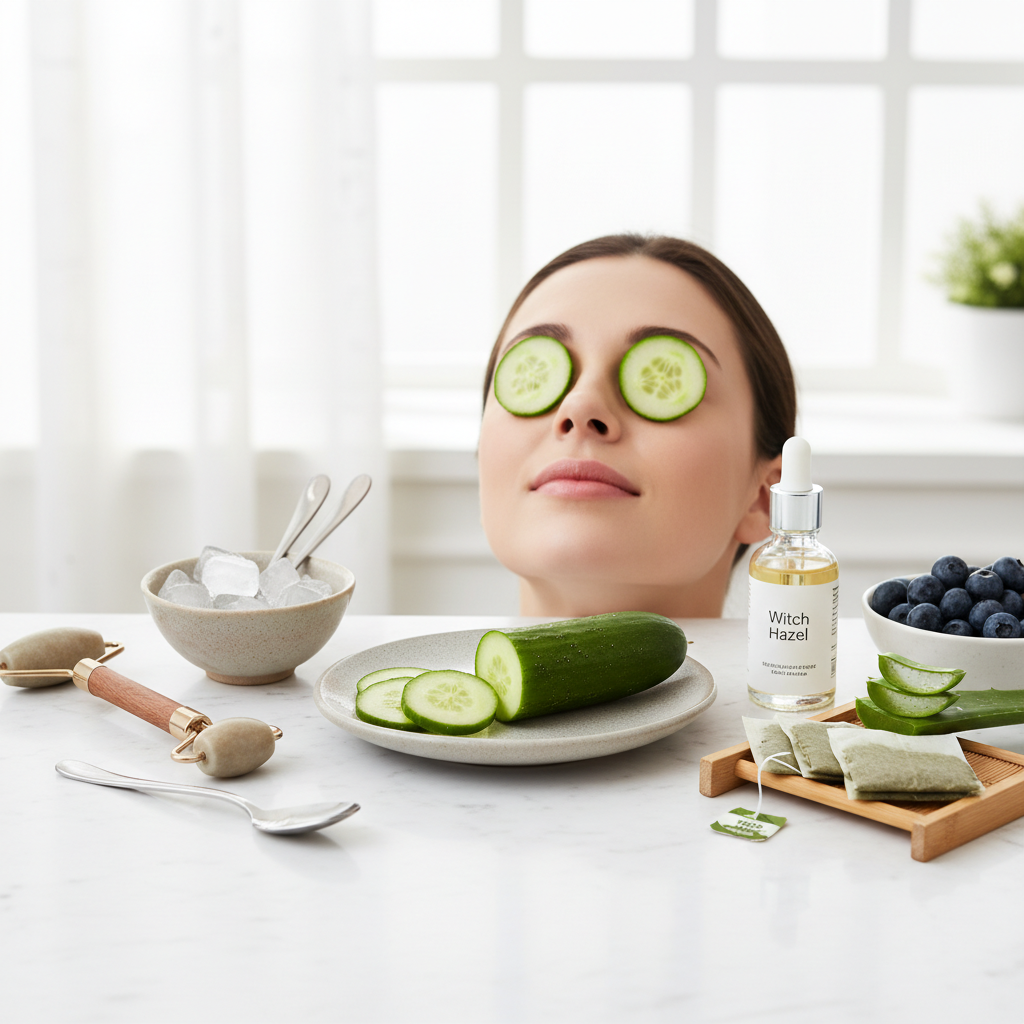
The image of someone relaxing with cucumber slices over their eyes is a spa-day staple for a reason—it actually works. Cucumbers have a high water content and a naturally cool temperature, which provides immediate soothing relief. More importantly, they contain ascorbic acid (vitamin C) and caffeic acid, both of which help reduce water retention and calm skin irritation.
Make sure your cucumber is chilled before you use it. Cut two thick slices and place them over your closed eyes for about 15 minutes. As the slices warm up, you can flip them over to the cooler side. This simple, natural remedy can help tighten skin, reduce swelling, and leave the area feeling refreshed.
4. Gently Tap or Massage the Area
Sometimes, puffiness is simply a result of lymphatic fluid that has pooled under the eyes. A gentle massage can help stimulate lymphatic drainage, encouraging this excess fluid to move away from the eye area. Using your ring finger (which applies the least amount of pressure), lightly tap or massage the skin around your eyes.
Start from the inner corner of your under-eye area and move outwards towards your temples. Continue this gentle tapping motion for a minute or two. You can also incorporate a lightweight eye cream or a natural oil like jojoba or almond oil to provide some slip and avoid tugging on the delicate skin.
5. Stay Hydrated Throughout the Day
It might seem counterintuitive to drink more water when your body is retaining it, but dehydration can actually make puffiness worse. When your body is dehydrated, it tends to hold on to every bit of fluid it can, leading to bloating and swelling, including around the eyes. Ensuring you are well-hydrated helps your body flush out excess salt and toxins that can contribute to fluid retention.
Aim to drink plenty of water consistently throughout the day rather than chugging a large amount at once. Keeping a water bottle handy is a great way to remind yourself to sip regularly. Proper hydration supports overall health and is one of the simplest, most effective long-term strategies for preventing puffy eyes.
6. Reduce Your Salt Intake
A diet high in sodium is one of the most common culprits behind fluid retention and puffy eyes. Salt encourages your body to hold onto water, and this excess fluid often settles in areas where the skin is thin, such as around the eyes. Pay close attention to the sodium content in processed foods, canned soups, fast food, and salty snacks.
By consciously cutting back on salt, you can prevent your body from retaining unnecessary fluid. Opt for fresh, whole foods like fruits, vegetables, and lean proteins. When you do eat packaged foods, check the nutrition labels and choose low-sodium options whenever possible. This dietary change can make a noticeable difference in reducing morning puffiness.
7. Elevate Your Head While Sleeping
Gravity plays a significant role in where fluid settles in your body. When you sleep flat on your back or on your stomach, fluid can easily pool in the delicate tissues around your eyes, leading to that swollen look in the morning. A simple fix is to elevate your head slightly while you sleep.
Using an extra pillow or two to prop your head up can help gravity do the work of draining fluid away from your face. This prevents it from accumulating around your eyes overnight. If you find multiple pillows uncomfortable, consider using a wedge pillow, which provides a more gradual and ergonomic incline.
Understanding What Causes Puffy Eyes in the First Place
While the remedies above can provide immediate relief, understanding the root cause of your puffy eyes is key to preventing them long-term. Puffiness, medically known as periorbital edema, is essentially swelling caused by an accumulation of fluid in the tissues around your eyes. The skin in this area is the thinnest on the body, making any swelling highly visible.
Several factors can contribute to this condition. For many, it's simply a matter of genetics; some people are naturally more predisposed to under-eye puffiness. The natural aging process is another major factor. As we age, the tissues and muscles supporting the eyelids weaken. The fat that helps support the eyes can then move into the lower eyelids, causing them to appear puffy. The skin also loses elasticity, which can exacerbate the appearance of bags.
Lifestyle choices play a massive role as well. A lack of sleep, high-salt diet, excessive alcohol consumption, and dehydration can all lead to fluid retention. Allergies are another common trigger, as the body releases histamines in response to an allergen, causing inflammation and swelling in the blood vessels around the eyes.
Frequently Asked Questions About Eye Puffiness
Can Puffy Eyes Be a Sign of a More Serious Health Problem?
In most cases, puffy eyes are a harmless cosmetic concern caused by lifestyle factors or genetics. However, persistent or severe puffiness, especially if accompanied by other symptoms like pain, redness, itching, or changes in vision, could indicate an underlying medical issue. Conditions such as thyroid problems (specifically Graves' disease), kidney issues, sinus infections, or eye infections like conjunctivitis can all present with eye swelling.
If your puffiness appears suddenly, affects only one eye, or doesn't improve with at-home remedies, it's a good idea to consult a doctor. They can help rule out any serious conditions and provide a proper diagnosis. It’s always better to be cautious and seek professional medical advice if you have any concerns about your health.
How Do Allergies Contribute to Puffy Eyes?
Allergies are a very common cause of puffy, itchy, and watery eyes. When you are exposed to an allergen—such as pollen, dust mites, pet dander, or certain cosmetics—your immune system goes into defense mode. It releases a chemical called histamine, which causes blood vessels to dilate and become leaky. This leads to the classic allergy symptoms of inflammation, redness, and swelling in the delicate tissues around the eyes.
To combat allergy-related puffiness, the first step is to identify and avoid your triggers if possible. Over-the-counter antihistamine pills or eye drops can be very effective at blocking the histamine reaction and reducing symptoms. A cold compress can also provide immediate, soothing relief from the itching and swelling associated with an allergic reaction.
Are There Long-Term Solutions for Chronic Puffy Eyes?
If your puffy eyes are a persistent issue unrelated to lifestyle factors, there are more permanent solutions available. The most effective long-term strategies involve consistent lifestyle management, such as maintaining a low-salt diet, staying hydrated, getting adequate sleep, and managing allergies. Using a daily eye cream containing ingredients like caffeine, retinol, or peptides can also help improve skin elasticity and reduce fluid retention over time.
For puffiness caused by aging and displaced fat pads, cosmetic procedures may be an option. Treatments like laser resurfacing, chemical peels, and fillers can help tighten the skin and improve its appearance. In more significant cases, a surgical procedure called blepharoplasty can be performed to remove excess fat and skin from the eyelids, offering a more permanent solution. It's essential to discuss these options with a qualified dermatologist or plastic surgeon to understand the benefits and risks.
Final Thoughts on Managing Puffy Eyes
Dealing with puffy eyes is a common issue that can often be managed effectively with simple at-home remedies and consistent lifestyle adjustments. From applying a cold compress and staying hydrated to reducing salt intake and getting enough sleep, these small changes can make a big difference. Understanding the underlying cause of your puffiness is the first step toward finding the most effective and lasting solution for you.