Effective Ways to Care for Your Dog's Skin Issues Safely
Watching your dog suffer from constant scratching and irritation is heartbreaking, and you've come to the right place for solutions. To help you find the best path forward, we'll break down the most common causes of skin issues, from allergies to parasites.
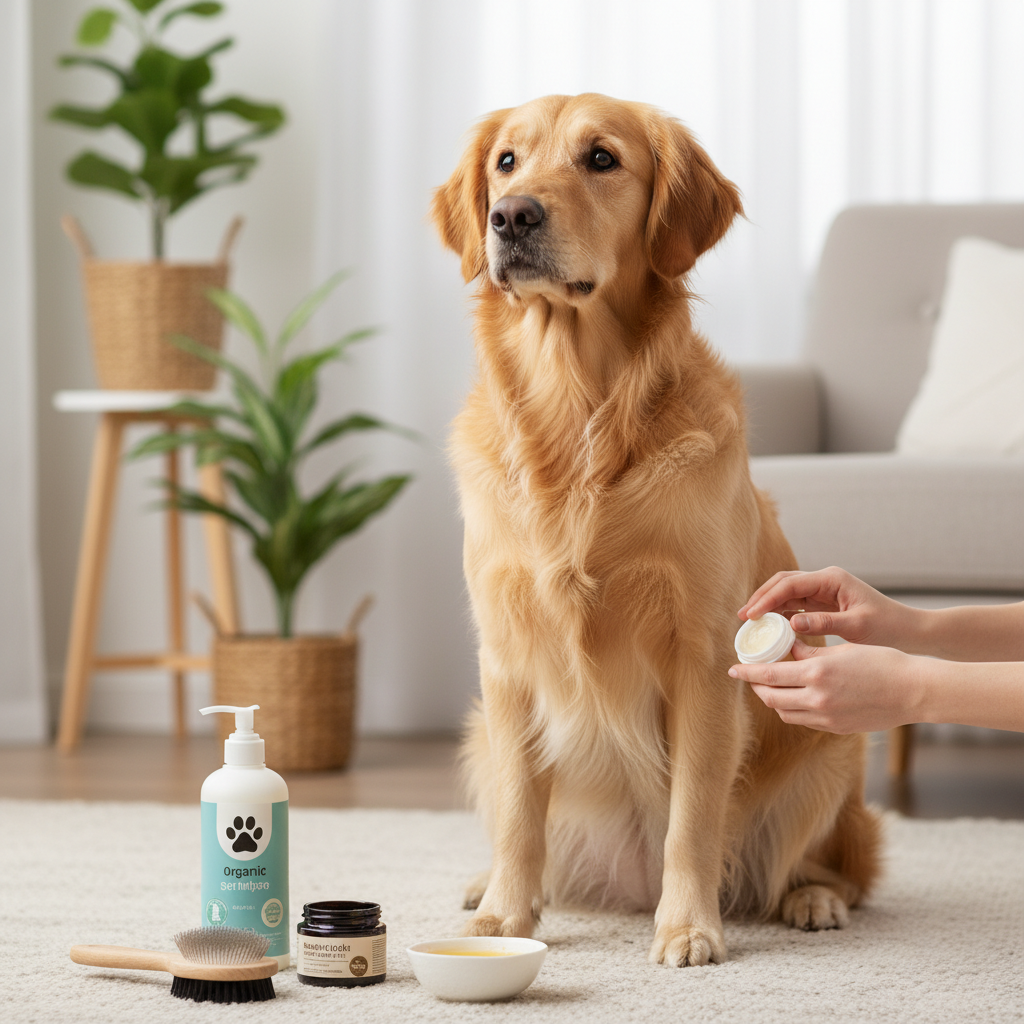
How To Treat Skin Issues In Dogs
A dog's skin is their largest organ and the first line of defense against the outside world. When it becomes irritated, inflamed, or infected, it can cause significant discomfort and lead to more serious health problems. Understanding the common types of skin issues and their corresponding treatments is the first step in helping your furry friend find relief. It's crucial to remember that while this guide provides information, a proper diagnosis and treatment plan should always come from a qualified veterinarian.
Common Skin Problems and Their Treatments
From pesky parasites to underlying allergies, a variety of factors can trigger skin problems in dogs. Here’s a look at some of the most frequent culprits and how they are typically addressed.
Environmental and Food Allergies
Allergies are a primary cause of skin issues in dogs, manifesting as intense itching, redness, hives, and chronic ear infections. Environmental allergies (atopy) are reactions to things like pollen, mold, dust mites, or grass. Food allergies, on the other hand, are an immune response to a specific ingredient, commonly a protein like chicken, beef, or dairy. The constant scratching and licking from allergies can lead to secondary bacterial or yeast infections, complicating the issue further.
Treating allergies involves a multi-pronged approach. Your vet will first work to identify the allergen. For food allergies, this often means a strict elimination diet. For environmental triggers, allergy testing may be recommended. Treatment can include antihistamines to manage mild itching, medicated shampoos to soothe the skin, and in more severe cases, corticosteroids or other immunosuppressive drugs like Apoquel or Cytopoint to control the immune response. For long-term management of environmental allergies, immunotherapy (allergy shots) can help desensitize the dog to the specific allergens over time.
Hot Spots (Acute Moist Dermatitis)
Hot spots are red, inflamed, and oozing skin lesions that appear suddenly and can grow rapidly. They are incredibly painful and itchy for dogs. These sores are caused by self-trauma; a dog licks, chews, or scratches an area so intensely that it damages the skin's surface, allowing bacteria to thrive. The underlying trigger is often an insect bite, an allergic reaction, or moisture trapped in the fur after swimming or bathing, especially in dogs with thick coats.
Treatment for a hot spot must be swift to prevent it from spreading. A veterinarian will typically start by clipping the fur around the affected area to allow it to air out and dry. The lesion is then cleaned with an antiseptic solution. Depending on the severity, treatment may include a topical steroid cream to reduce inflammation and pain, as well as oral antibiotics to clear the bacterial infection. An Elizabethan collar (e-collar) is almost always necessary to prevent the dog from further irritating the area while it heals.
Parasites (Fleas, Mites, and Ticks)
External parasites are a very common source of skin irritation. Fleas are a major offender, and many dogs suffer from Flea Allergy Dermatitis (FAD), a severe allergic reaction to flea saliva. Just one bite can cause intense, widespread itching, leading to hair loss and scabs, particularly on the lower back and base of the tail. Mites are microscopic parasites that can cause conditions like sarcoptic mange (scabies) and demodectic mange, resulting in severe itching, hair loss, and crusty skin. Ticks, while known for transmitting diseases, can also cause localized skin irritation at the bite site.
The key to treating parasite-related skin issues is eliminating the parasites themselves. This requires consistent, year-round use of effective flea and tick preventatives prescribed by your veterinarian. These come in various forms, including topical treatments, oral chewables, and medicated collars. If a full-blown infestation is present, you will also need to treat your home and any other pets. For mange, specific miticidal treatments, such as medicated dips, topical medications, or oral drugs, will be prescribed by your vet to kill the mites.
Yeast and Bacterial Infections (Pyoderma)
The skin naturally has a balance of bacteria and yeast. However, when the skin barrier is compromised—often due to allergies, hormonal imbalances, or moisture—these organisms can overgrow and cause an infection. Bacterial skin infections, or pyoderma, often present as pimples, crusts, and circular patches of hair loss. Yeast dermatitis, typically caused by Malassezia, leads to greasy, itchy skin with a distinct musty odor and is common in skin folds, ears, and paws.
Treatment is focused on getting the microbial population back under control. For bacterial infections, veterinarians usually prescribe a course of oral antibiotics for several weeks. Medicated shampoos or sprays containing ingredients like chlorhexidine can also help manage the infection topically. Yeast infections are treated with antifungal medications, which can be given orally (like ketoconazole) or applied topically through medicated shampoos, wipes, or creams containing ingredients like miconazole or clotrimazole. Addressing the underlying cause, such as an allergy, is crucial to prevent recurrence.
Dry Skin and Dandruff (Seborrhea)
Just like humans, dogs can get dry, flaky skin, often called dandruff or seborrhea. This condition can be caused by a range of factors, including low humidity in the environment, nutritional deficiencies (especially a lack of fatty acids), or underlying medical conditions like hypothyroidism or Cushing's disease. While some flaking is normal, excessive dandruff accompanied by itching, a greasy coat, or an unpleasant odor warrants a closer look.
Managing dry skin often starts with simple changes. Using a humidifier in your home can help, as can bathing your dog with a gentle, moisturizing, oatmeal-based shampoo. Avoid over-bathing, as this can strip the skin of its natural oils. Supplementing your dog's diet with omega-3 and omega-6 fatty acids, found in fish oil, can significantly improve skin and coat health. If these simple remedies don't work, your vet will perform tests to rule out any underlying metabolic or hormonal diseases that could be causing the problem.
Why Are Skin Problems So Common in Dogs?
It can feel like dogs are predisposed to skin issues, and in many ways, they are. Several factors contribute to the high prevalence of dermatological problems in our canine companions. First, their skin's pH is different from ours, making it more susceptible to certain types of bacterial overgrowth. Furthermore, a dog's body is covered in hair follicles, which can easily become clogged, inflamed, or infected.
The immune system also plays a massive role. An overactive immune system is the root of allergic reactions. When a dog's immune system mistakenly identifies a harmless substance like pollen or a food protein as a threat, it launches an inflammatory response that primarily targets the skin, resulting in the classic symptoms of itching and redness. Genetics also factor in, with certain breeds like French Bulldogs, Golden Retrievers, and German Shepherds being genetically predisposed to allergies and other skin conditions.
Answering Your Top Questions About Canine Skin Health
After identifying a potential issue, many pet owners have follow-up questions about prevention and home care. Here are some of the most common queries.
What Role Does Diet Play in a Dog's Skin Health?
Diet plays a foundational role in maintaining healthy skin and a lustrous coat. A balanced diet rich in essential nutrients provides the building blocks for strong skin cells. Omega-3 and omega-6 fatty acids are particularly crucial; they help maintain the skin's lipid barrier, which retains moisture and protects against irritants. A deficiency in these fatty acids can lead to dry, flaky, and dull skin. You can find them in high-quality commercial dog foods or add them as a supplement through fish oil or flaxseed oil.
Beyond basic nutrition, diet is critical in managing food allergies. If a dog is allergic to a specific ingredient, their immune system will react every time they consume it, leading to chronic skin inflammation and itching. Identifying and eliminating this trigger ingredient through an elimination diet is the only way to resolve the issue. Working with your vet to find a suitable hypoallergenic or novel protein diet can make a world of difference for a dog suffering from food-related skin problems.
Can I Use Human Products on My Dog's Skin?
It is generally not recommended to use human skin products on dogs. The primary reason is the difference in pH levels. Human skin is more acidic (around 5.5 pH), while a dog's skin is more neutral or alkaline (typically between 6.5 and 7.5 pH). Human shampoos and lotions are formulated for our acidic pH and can disrupt the natural balance of a dog's skin. This can strip away protective oils, leaving the skin dry, irritated, and more vulnerable to bacterial or yeast infections.
Furthermore, many ingredients found in human products can be irritating or even toxic to dogs. For example, some artificial fragrances, dyes, and chemicals can cause allergic reactions. Certain medicated products, like those containing salicylic acid or coal tar, can be harmful if ingested when a dog licks their skin. Always opt for products specifically formulated for canine use, as they are designed to be pH-balanced and safe for your pet.
A Proactive Approach to Your Dog's Skin
Treating skin issues in dogs requires patience and a partnership with your veterinarian. The key is to get an accurate diagnosis to address the root cause, not just the symptoms. Whether it's through allergy management, consistent parasite control, dietary adjustments, or medicated treatments, helping your dog achieve healthy, comfortable skin is an essential part of their overall well-being.
For more information from trusted sources, please visit: