Effective Ways to Exfoliate Strawberry Skin Safely
Dealing with the frustrating bumps of "strawberry skin" is one thing, but finding a solution that works *fast* is another. Those persistent red dots, officially known as keratosis pilaris, won't disappear with just any lotion.
Top Methods for Rapidly Reducing Strawberry Skin Appearance
Dealing with "strawberry skin," technically known as keratosis pilaris or open comedones, can be frustrating. These small, dark spots, which resemble the seeds on a strawberry, are essentially hair follicles or pores clogged with a mixture of oil, bacteria, and dead skin cells. When the trapped substance is exposed to air, it oxidizes and turns dark. The key to getting rid of them fast is a consistent routine focused on unclogging pores and smoothing skin texture. Below are the most effective methods to achieve clearer skin quickly.
Method 1: Consistent Exfoliation (Physical & Chemical)
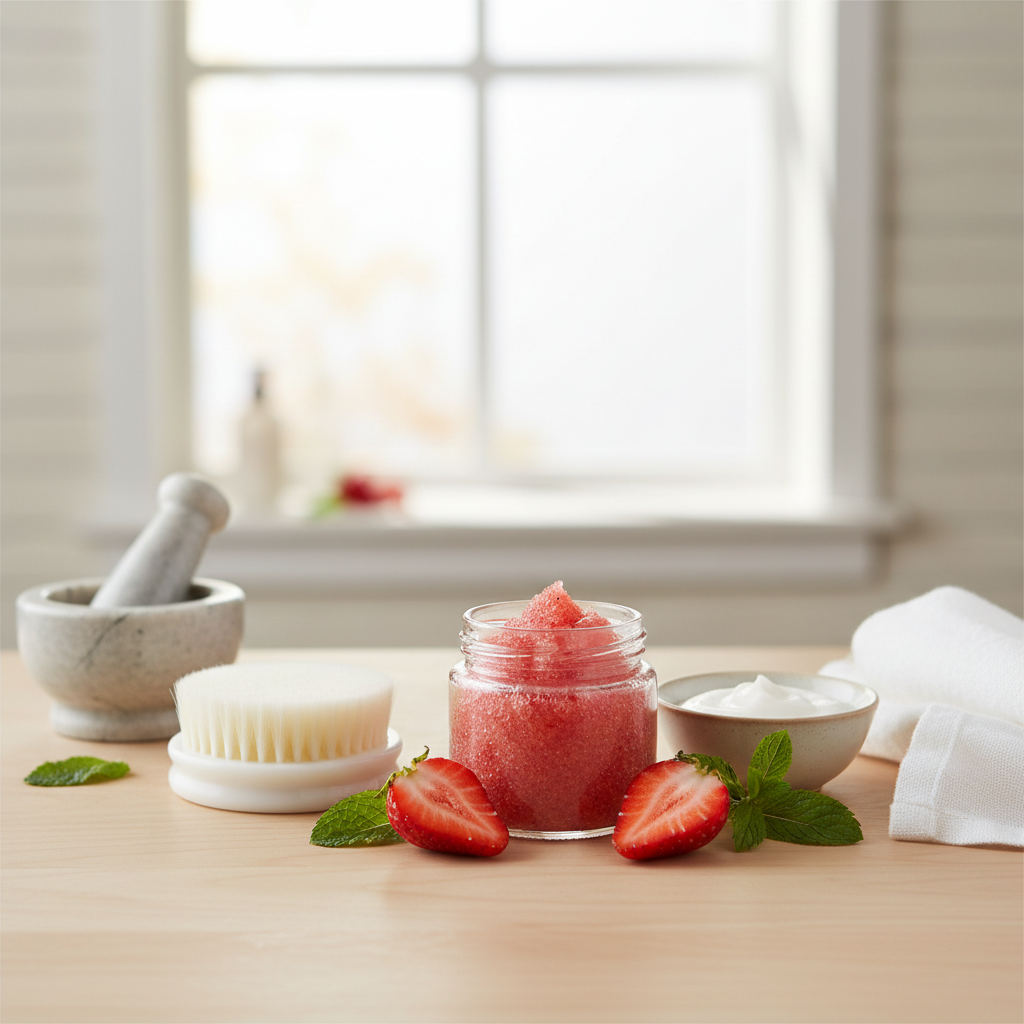
Exfoliation is arguably the most critical step in combating strawberry skin. It works by removing the top layer of dead skin cells that can trap oil and debris in your pores. There are two main types: physical and chemical. Physical exfoliation involves using a tool like a dry brush, a loofah, or a gentle body scrub with fine particles like sugar or salt. By gently scrubbing in circular motions before a shower, you can physically slough away the dead skin, which helps to immediately improve skin texture and allow other treatments to penetrate more effectively.
For faster and deeper results, chemical exfoliation is essential. This method uses acids to dissolve the "glue" that holds dead skin cells together. The most effective ingredients are alpha-hydroxy acids (AHAs) like glycolic acid and lactic acid, and beta-hydroxy acids (BHAs) like salicylic acid. AHAs work on the skin's surface to brighten and smooth, while oil-soluble BHAs can penetrate deep into the pores to break down the clogs. Using a body wash, lotion, or treatment pad with these ingredients daily or several times a week can lead to a dramatic reduction in the appearance of strawberry skin within weeks.
Method 2: Salicylic Acid-Based Cleansers and Treatments
When it comes to clogged pores, salicylic acid is a powerhouse ingredient. As a beta-hydroxy acid (BHA), it is oil-soluble, which gives it the unique ability to penetrate deep into the pore lining and exfoliate from within. It effectively dissolves the mixture of sebum (oil) and dead skin cells that creates the dark appearance of strawberry skin. Using a body wash containing at least 2% salicylic acid during your shower is an excellent way to treat large areas like the legs and arms consistently.
Beyond cleansers, you can find salicylic acid in leave-on treatments like lotions, serums, and convenient treatment pads. These products allow the ingredient to work on your skin for an extended period, continuously breaking down clogs and preventing new ones from forming. For rapid results, apply a salicylic acid lotion after showering on slightly damp skin to lock in moisture and maximize absorption. This targeted approach helps to clear existing spots and keep skin smooth over time.
Method 3: Glycolic Acid Peels and Lotions
Glycolic acid, an alpha-hydroxy acid (AHA), is another fantastic option for tackling strawberry skin, particularly when surface texture is a major concern. Derived from sugar cane, it has the smallest molecular size of all AHAs, allowing it to penetrate the skin's surface effectively. It works by dissolving the bonds between dead skin cells, promoting rapid cell turnover and revealing the newer, healthier skin underneath. This process not only helps clear clogged follicles but also improves overall skin tone and smoothness.
You can incorporate glycolic acid into your routine through body lotions, creams, or at-home peel pads. A body lotion with glycolic acid is a great daily-use option to maintain smooth skin and prevent the buildup that causes strawberry legs. For a more intensive and faster treatment, weekly use of a higher-concentration glycolic acid peel can accelerate results. However, it's important to start with a lower concentration to ensure your skin can tolerate it and to always follow up with moisturizer and sun protection, as AHAs can increase sun sensitivity.
Method 4: Proper Moisturizing with Key Ingredients
It might seem counterintuitive to moisturize when you're trying to deal with clogged pores, but it's a non-negotiable step. Dry, dehydrated skin can actually worsen the appearance of strawberry skin. When your skin is dry, it can produce excess oil to compensate, leading to more clogs. Furthermore, dry skin can cause a buildup of dead cells on the surface, making the dots more prominent and the skin feel rough. A good moisturizer helps to maintain a healthy skin barrier, which is essential for clear skin.
Look for moisturizers that contain ingredients specifically aimed at gentle exfoliation and deep hydration. Lotions with urea or lactic acid are excellent choices because they moisturize while also providing a mild exfoliating effect. Other key ingredients to look for are ceramides, which help restore the skin's natural barrier, and hyaluronic acid, which draws moisture into the skin. Applying a quality moisturizer immediately after showering helps to trap water in the skin, keeping it soft, supple, and less prone to the conditions that cause strawberry skin.
Method 5: Retinoids (Over-the-Counter and Prescription)
Retinoids are derivatives of Vitamin A and are considered one of the most effective treatments for a variety of skin concerns, including strawberry skin. They work by accelerating skin cell turnover, meaning your skin generates new cells and sheds old ones at a much faster rate. This rapid cycle helps prevent dead skin cells from building up and clogging hair follicles in the first place. It’s a proactive approach that not only treats existing bumps but also prevents new ones from forming.
You can start with over-the-counter (OTC) options like retinol or adapalene, which are widely available in body lotions and creams. These are less potent than their prescription counterparts but can still deliver significant results with consistent use. For more stubborn cases, a dermatologist may prescribe a stronger retinoid like tretinoin. When using any retinoid, it is crucial to start slowly (e.g., every other night) to allow your skin to acclimate and to always moisturize well, as they can be drying and cause initial irritation.
What Exactly is Strawberry Skin and Why Does It Happen?
The term "strawberry skin" isn't a formal medical diagnosis but a colloquial name used to describe the appearance of small black or red dots on the skin, most commonly on the legs. These dots resemble the seeds of a strawberry, hence the name. While it can look concerning, it's typically harmless and is caused by one of a few common underlying conditions. The most frequent culprits are open comedones, keratosis pilaris, and folliculitis.
Open comedones are essentially blackheads. They occur when a hair follicle becomes clogged with a combination of excess sebum (the skin's natural oil), dead skin cells, and bacteria. When this clog is exposed to the air, the contents oxidize and turn black, creating the dotted appearance. Keratosis pilaris, often called "chicken skin," is another primary cause. This genetic condition results from a buildup of keratin—a hard protein that protects skin from infection—which forms a scaly plug that blocks the opening of the hair follicle. This can cause patches of rough, bumpy skin that may sometimes appear dark.
Folliculitis and shaving-related irritation can also create a similar look. Folliculitis happens when hair follicles become inflamed or infected, often appearing as small red bumps or pimples. Improper shaving techniques, such as using a dull razor or not using shaving cream, can lead to razor burn and ingrown hairs. These ingrown hairs can trap bacteria and cause inflammation that looks just like strawberry skin. In most cases, the condition is a cosmetic concern rather than a medical one, driven by factors like genetics, skin type, and hair removal habits.
Answering Your Top Questions About Strawberry Skin
Can You Permanently Get Rid of Strawberry Skin?
This is a common and important question. For many people, especially those whose strawberry skin is caused by the genetic condition keratosis pilaris, it is considered a chronic condition rather than something that can be cured permanently with a one-time treatment. The tendency for keratin to build up in the hair follicles is often something a person is born with, and it may flare up at certain times and subside at others. For these individuals, the goal is long-term management, not a permanent cure.
However, this doesn't mean you have to live with it forever. Through a consistent and effective skincare routine involving regular exfoliation (with AHAs or BHAs), proper moisturizing, and potentially retinoids, you can manage the condition so effectively that the skin appears completely clear and smooth. The key is consistency. If you stop the routine, the plugs are likely to form again over time. For strawberry skin caused by shaving habits or temporary clogged pores, making changes to your routine can lead to a more permanent resolution.
Are At-Home Natural Remedies Effective?
Many people prefer to start with natural, at-home remedies, and some can offer mild benefits for strawberry skin. For instance, creating a DIY body scrub with sugar or coffee grounds mixed with a carrier oil like coconut or olive oil can provide effective physical exfoliation. The gentle scrubbing action helps to remove dead skin cells on the surface, which can temporarily improve skin texture and appearance. Similarly, ingredients like tea tree oil, known for its antibacterial properties, can be added to lotions to potentially help with folliculitis-related bumps.
While these natural remedies can be a good starting point and may provide some relief, they are generally less potent and act more slowly than scientifically formulated dermatological ingredients. For example, a sugar scrub can only exfoliate the very top layer of skin and cannot penetrate into the pore to dissolve a clog the way salicylic acid can. Therefore, for fast and significant results, products containing active ingredients like glycolic acid, salicylic acid, or retinoids are almost always more effective. If you choose to try natural remedies, be sure to patch-test to avoid potential skin irritation.
Conclusion
Achieving smooth, clear skin and removing the appearance of strawberry skin quickly is entirely possible with the right approach. The most effective strategy involves a multi-pronged routine that focuses on unclogging pores, promoting cell turnover, and keeping the skin hydrated. Combining chemical exfoliants like salicylic and glycolic acid with consistent moisturizing is the foundation of a successful regimen. For more persistent cases, incorporating retinoids can significantly accelerate results. While conditions like keratosis pilaris may require ongoing management, a consistent routine can lead to visibly clearer skin and a significant boost in confidence.