Effective Ways to Manage Shortness of Breath When Climbing Stairs
If climbing a flight of stairs leaves you feeling winded, you're not alone and you’ve landed in the right place. While it’s a frustrating experience, the solution often involves a mix of manageable factors.
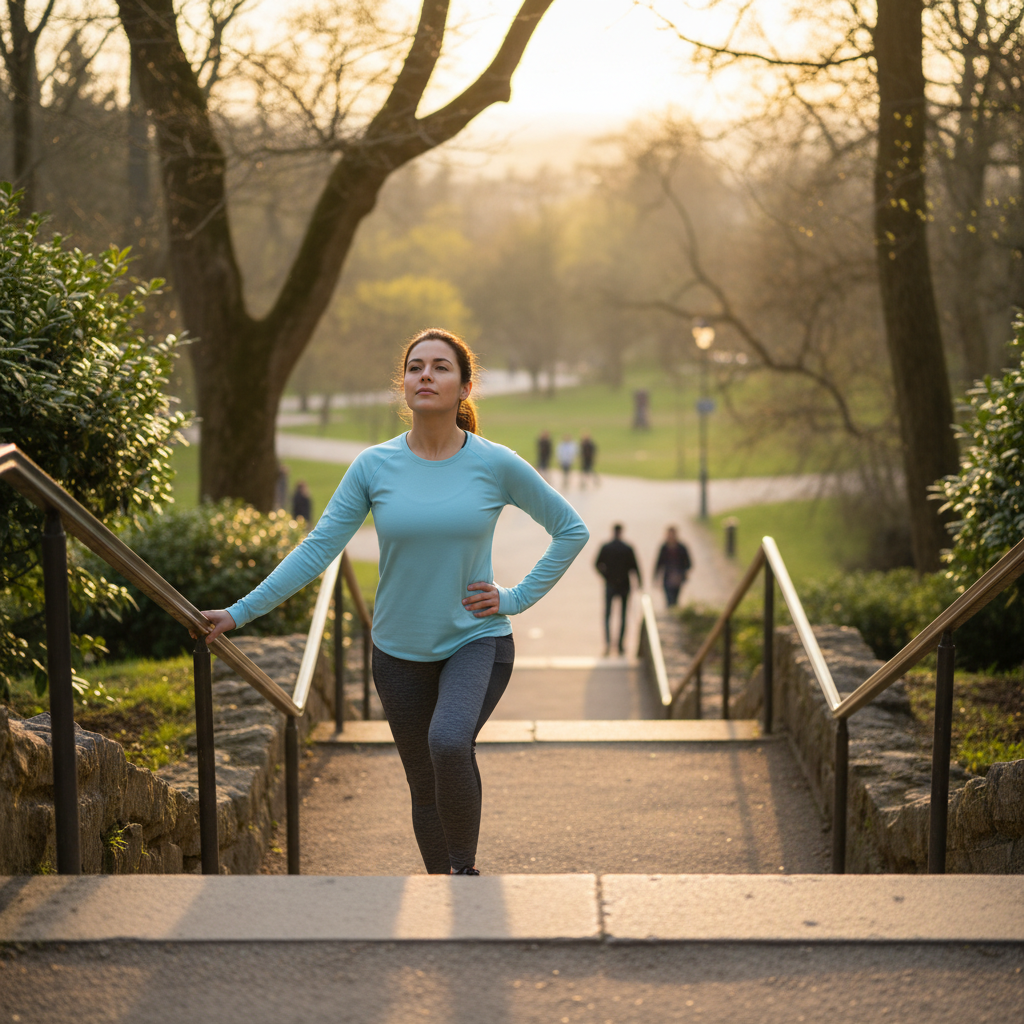
Effective Strategies to Improve Shortness of Breath on Stairs
Feeling winded after a single flight of stairs is a common experience, but it can be frustrating and sometimes concerning. This feeling, known medically as exertional dyspnea, occurs when your body's demand for oxygen exceeds its ability to supply it efficiently. Climbing stairs is a surprisingly strenuous activity; it’s a form of vertical exercise that forces your body to work against gravity while engaging large muscle groups in your legs and core. Fortunately, there are many practical and effective strategies you can adopt to make the climb easier and improve your breathing.
1. Master Pacing and Breathing Techniques
One of the most immediate changes you can make is to control your breathing and pace. Rushing up the stairs will inevitably lead to breathlessness. Instead, focus on slow, deliberate movements coordinated with your breath. A powerful technique is pursed-lip breathing. To do this, inhale slowly through your nose for two counts, then exhale even more slowly through your mouth for four counts, with your lips pursed as if you were about to whistle. This technique helps slow your breathing rate, keeps your airways open longer, and allows for a more complete exchange of air in your lungs.
Combine this with a deliberate pace. For example, you can try the "rest-step" technique: step up with one foot, then bring your other foot to the same step. Pause and take a full breath before moving to the next step. This might feel slow initially, but it prevents the rapid onset of oxygen debt that causes you to feel winded. Coordinating your breathing with your steps—such as inhaling as you rest and exhaling as you step up—can create a sustainable rhythm that gets you to the top without feeling exhausted.
2. Build Cardiovascular Endurance
The root cause of getting winded on stairs is often a lack of cardiovascular fitness. Your heart and lungs work together as a system to transport oxygenated blood to your muscles. When this system is deconditioned, it has to work much harder to meet the demands of an activity like climbing stairs. The solution is consistent aerobic exercise, which strengthens your heart muscle, improves lung capacity, and helps your body use oxygen more efficiently.
You don’t need to engage in high-intensity workouts to see benefits. Start with low-impact activities like brisk walking, swimming, or cycling. Aim for at least 150 minutes of moderate-intensity aerobic exercise per week, as recommended by health authorities. Even a 20-30 minute walk each day can make a significant difference over a few weeks. As your cardiovascular fitness improves, you'll find that activities that once left you breathless, like climbing stairs, become noticeably easier.
3. Strengthen Key Leg Muscles
Climbing stairs is a full-body workout, but the primary movers are the large muscles in your legs: the quadriceps, hamstrings, and glutes. When these muscles are weak, they require more energy and oxygen to perform the work of lifting your body weight up each step. This increased demand puts more strain on your heart and lungs, leading to shortness of breath. By strengthening these muscles, you improve their efficiency, so they can do the same amount of work with less effort.
Incorporate simple strength-training exercises into your routine two to three times a week. You don't need a gym membership; bodyweight exercises are highly effective. Some of the best exercises for stair-climbing strength include:
- Squats: Strengthens your quads, hamstrings, and glutes.
- Lunges: Targets each leg individually, improving balance and strength.
- Calf Raises: Builds strength in your lower legs for pushing off each step.
- Step-Ups: Mimics the motion of climbing stairs and is excellent for building functional strength. You can use the bottom step of a staircase for this.
4. Optimize Your Posture
Your posture has a direct impact on your breathing capacity. When you slouch or lean too far forward while climbing stairs, you compress your chest cavity. This restricts the movement of your diaphragm, the primary muscle responsible for breathing, and limits how much your lungs can expand. As a result, you take shallower breaths and have to breathe more frequently to get enough oxygen.
To combat this, focus on maintaining an upright posture. Keep your back straight, your shoulders relaxed and pulled back, and your head up. This opens up your chest and allows your diaphragm to move freely, enabling deeper, more efficient breaths. Using a handrail for light support can help you maintain this posture, but avoid leaning heavily on it, which can cause you to slump over.
5. Warm-Up Beforehand
Just like any other form of exercise, your body performs better when it's properly warmed up. Jumping straight into a strenuous activity like climbing a few flights of stairs can shock your system, causing a rapid increase in heart rate and breathing. A simple warm-up prepares your muscles, heart, and lungs for the upcoming exertion, making the transition much smoother.
Before tackling a long flight of stairs, take a minute or two to warm up. You can march in place, do some gentle leg swings, or simply walk around on a flat surface for a few minutes. This gradually increases your heart rate and blood flow to your muscles, ensuring your body is ready for the demand and reducing the likelihood of becoming suddenly breathless.
Understanding Why Stairs Make You Breathless
Feeling out of breath while climbing stairs is a very common physiological response. At its core, stair climbing is a vigorous activity that combines cardiovascular effort with resistance training. When you climb, you are lifting your entire body weight against gravity, which requires a significant amount of energy. This work is primarily done by the largest muscles in your body—your glutes and quadriceps. These large muscles have a high demand for oxygen-rich blood to fuel their contractions.
To meet this sudden demand, your heart has to beat faster to pump more blood, and your lungs have to work harder to bring in more oxygen. This coordinated response is what you feel as an increased heart rate and faster, deeper breathing. If you are not accustomed to this level of exertion—a state known as being "deconditioned"—your cardiovascular system is less efficient. Your heart and lungs have to work extra hard to keep up, leading to that familiar feeling of being winded. For a healthy but inactive person, this is a normal sign that you're challenging your body. However, if the breathlessness is severe, comes on suddenly, or is accompanied by other symptoms, it could indicate an underlying issue.
Common Questions About Stair Climbing and Breathlessness
Is It Normal to Get Out of Breath Climbing Stairs?
For most people, yes, it is completely normal to experience some level of breathlessness when climbing stairs, especially if done quickly or if you lead a relatively sedentary lifestyle. It's a clear sign that your body is working hard. The key is to distinguish between normal exertional breathlessness and something more serious. Normal breathlessness should resolve within a few minutes of resting at the top of the stairs. Your breathing and heart rate should gradually return to normal.
However, you should pay attention to warning signs that suggest the breathlessness may not be normal. If you experience chest pain, tightness, dizziness, lightheadedness, or extreme fatigue along with the shortness of breath, it's important to consult a healthcare professional. Similarly, if you find yourself getting breathless from minimal exertion, such as climbing only one or two steps, or if you feel breathless even while resting, it warrants a medical evaluation to rule out any underlying conditions.
What Medical Conditions Can Cause Shortness of Breath on Stairs?
While deconditioning is the most common reason for getting winded on stairs, several medical conditions can also cause or worsen this symptom. These conditions often interfere with the body's ability to transport oxygen or respond to physical exertion. It's crucial to see a doctor for a proper diagnosis if your breathlessness is persistent or severe.
Some potential underlying conditions include:
- Asthma: This condition causes inflammation and narrowing of the airways, which can be triggered by exercise.
- Chronic Obstructive Pulmonary Disease (COPD): A progressive lung disease that makes it hard to breathe, with symptoms often worsening during physical activity.
- Heart Conditions: Issues like congestive heart failure, coronary artery disease, or arrhythmias can impair the heart's ability to pump blood effectively, leading to shortness of breath.
- Anemia: A lack of healthy red blood cells means your blood can't carry enough oxygen to meet your body's needs, causing fatigue and breathlessness.
- Anxiety: Panic or anxiety attacks can cause hyperventilation and a sensation of breathlessness, even during mild physical activity.
Can I Use an Inhaler Before Climbing Stairs?
For individuals who have been diagnosed with a respiratory condition like asthma or COPD, a doctor may prescribe a rescue inhaler (a short-acting bronchodilator). These inhalers work by relaxing the muscles around the airways, opening them up to make breathing easier. In many cases, a doctor will advise patients to use their rescue inhaler 15-30 minutes before engaging in planned physical activity, including climbing stairs, to prevent exercise-induced symptoms.
It is absolutely critical to emphasize that you should only use an inhaler in this way if it has been prescribed to you and you have been specifically instructed to do so by your healthcare provider. Using someone else's inhaler or using one without a proper diagnosis can be ineffective and potentially dangerous. If you suspect you have a condition that might benefit from an inhaler, the first and most important step is to schedule an appointment with your doctor for a full evaluation.
Key Takeaways for Easier Stair Climbing
Improving your ability to climb stairs without becoming breathless is an achievable goal that hinges on a combination of technique, conditioning, and awareness. By focusing on controlled breathing methods like pursed-lip breathing, pacing yourself, and maintaining good posture, you can make an immediate difference. In the long term, building your cardiovascular endurance through regular aerobic exercise and strengthening your leg muscles will make the task fundamentally less demanding for your body.
It's also important to listen to your body. While getting winded from exertion is often normal, severe or unusual shortness of breath, especially when accompanied by other symptoms like chest pain or dizziness, should always be discussed with a doctor to ensure there isn't an underlying medical cause. With a consistent and patient approach, you can turn a flight of stairs from a daunting challenge into a simple part of your day.
For further reading and information, you can visit reputable health resources such as the American Lung Association or the Cleveland Clinic.