Effective Ways to Quickly Relieve a Headache Without False Claims
When a headache strikes, you need relief that works *now*, not later. That's exactly why we've compiled the most effective methods for fast relief all in one place.
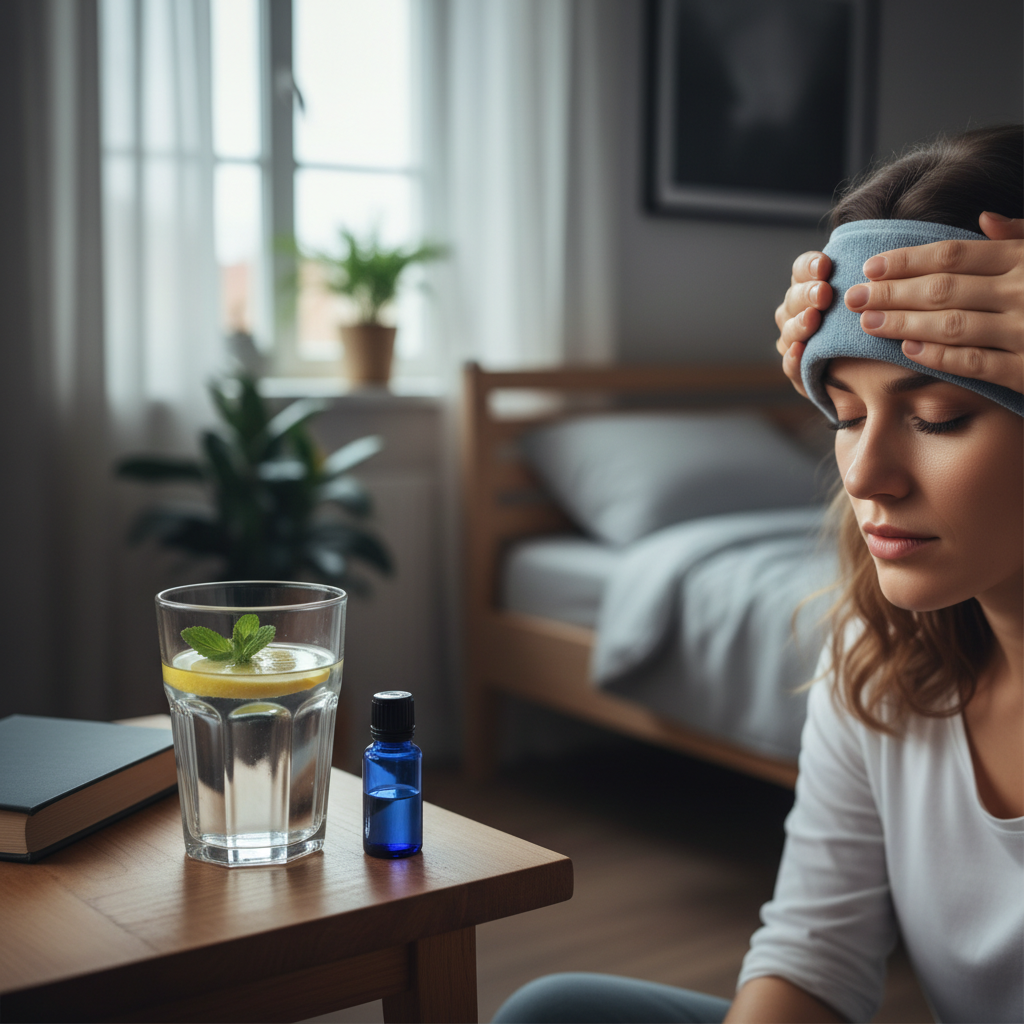
How To Get Relief From A Headache Immediately
A throbbing, persistent headache can derail your entire day, making it difficult to concentrate, work, or even relax. While the causes of headaches are vast and varied, ranging from stress and dehydration to more serious medical conditions, the immediate goal is always the same: finding fast relief. Fortunately, there are several effective strategies you can try at home to soothe the pain and get back to your routine. These methods target different potential causes and can provide comfort within minutes to an hour.
It’s important to remember that while these tips can help with common headaches, persistent, severe, or unusual headaches warrant a visit to a healthcare professional. This guide focuses on immediate, non-prescriptive techniques for managing common headache pain.
Immediate Headache Relief Techniques
When a headache strikes, you want relief now. Here are several practical and accessible methods you can try right away to alleviate the pain and pressure.
1. Drink a Glass of Water
Dehydration is one of the most common and easily reversible causes of headaches. When your body lacks sufficient fluids, your brain can temporarily contract or shrink, pulling away from the skull. This process can trigger the pain receptors surrounding the brain, resulting in a dehydration headache. The pain can range from a dull ache to an intense throb, often worsening with movement like walking or bending over.
The solution is simple: rehydrate. Slowly drinking a full glass of water can often provide relief within 30 minutes to a few hours. For added benefit, consider an electrolyte drink if you've been sweating heavily. Making a conscious effort to sip water throughout the day is the best preventative measure against this type of headache.
2. Apply a Cold or Warm Compress
The choice between a cold or warm compress often depends on the type of headache you’re experiencing. For migraines and throbbing headaches, a cold compress is typically more effective. Applying an ice pack or a bag of frozen vegetables wrapped in a towel to your forehead, temples, or the back of your neck can have a numbing effect. The cold constricts blood vessels and helps reduce inflammation, which can be a significant source of migraine pain.
On the other hand, for tension headaches, which often feel like a tight band around the head, a warm compress or a warm shower can be more beneficial. The heat helps to relax tense muscles in your shoulders, neck, and scalp. A heated pad or a warm, damp cloth applied to the back of the neck or forehead can ease the muscle contractions contributing to the pain.
3. Dim the Lights and Reduce Noise
Many people who suffer from headaches, especially migraines, experience photosensitivity (sensitivity to light) and phonosensitivity (sensitivity to sound). Bright lights from screens, overhead fluorescent bulbs, or sunlight can intensify the pain dramatically. Similarly, loud noises can feel jarring and exacerbate the throbbing sensation.
If you feel a headache coming on, one of the quickest ways to find relief is to retreat to a quiet, dark room. Close the blinds, turn off the lights, and put away your phone and laptop. If you can’t get to a dark room, wearing sunglasses (even indoors) or an eye mask can help. This simple environmental change reduces sensory input, allowing your overstimulated brain a chance to calm down and recover.
4. Try a Small Amount of Caffeine
Caffeine has a complex relationship with headaches. In some cases, too much caffeine can trigger them, but in small doses, it can be remarkably effective at providing relief. Caffeine is a vasoconstrictor, meaning it helps narrow blood vessels. Since many headaches are caused by the widening of blood vessels, caffeine can help counteract this process. This is why it’s a key ingredient in many over-the-counter headache medications like Excedrin.
A small cup of coffee or tea can provide fast relief, particularly for tension headaches and early-stage migraines. However, it's crucial to use this method judiciously. If you are a regular heavy coffee drinker, your headache might actually be a symptom of caffeine withdrawal. In that case, a small amount of caffeine can help, but it's a sign you may want to consider gradually reducing your overall intake.
5. Practice Simple Relaxation Techniques
Stress is a primary trigger for tension headaches. When you're stressed, your body releases hormones that can cause muscles to tense up and blood vessels to dilate, creating the perfect storm for a headache. Engaging in relaxation techniques can help counteract this physiological response and ease the pain.
Try simple deep breathing exercises: inhale slowly through your nose for four counts, hold your breath for seven counts, and exhale slowly through your mouth for eight counts. Repeat this several times. Progressive muscle relaxation, where you systematically tense and then relax different muscle groups from your toes to your head, is another powerful technique. Even a few minutes of quiet meditation or listening to calming music can significantly lower stress levels and, in turn, reduce headache intensity.
6. Perform Gentle Neck Stretches
Poor posture and muscle tension in the neck and shoulders are major contributors to cervicogenic and tension headaches. Hours spent hunched over a desk or phone can lead to tight, strained muscles that refer pain up into your head. Gentle stretching can release this tension and provide surprisingly fast relief.
Try slowly and gently tilting your head to the right, as if trying to touch your ear to your shoulder, and hold for 15-20 seconds. Repeat on the left side. Another effective stretch is to tuck your chin down towards your chest, feeling the stretch along the back of your neck. Avoid any movements that cause sharp pain. These simple stretches improve blood flow and relax the muscles that are often the root cause of the headache.
Understanding Common Types of Headaches
Not all headaches are the same. Identifying the type of headache you are experiencing can help you choose the most effective relief strategy. The most common types are tension headaches, migraines, and cluster headaches, each with distinct symptoms and triggers.
Tension Headaches
This is the most prevalent type of headache among adults. A tension headache is often described as a constant, dull ache or pressure on both sides of the head, almost like a tight band is wrapped around it. The pain can also radiate to or from the neck and shoulders. Unlike migraines, tension headaches are not usually accompanied by nausea or vomiting and are less likely to be worsened by physical activity, light, or sound. They are primarily caused by muscle contractions in the head and neck regions, often triggered by stress, fatigue, or poor posture.
Migraines
Migraines are a more severe and complex neurological condition. They are characterized by intense, throbbing pain, usually on one side of the head. Migraine attacks can last for hours or even days and are often accompanied by other debilitating symptoms, such as nausea, vomiting, and extreme sensitivity to light and sound. Some people experience an "aura" before or during a migraine, which can include visual disturbances like flashing lights or blind spots. Migraines are believed to be caused by changes in the brainstem and its interactions with major pain pathways, and they have strong genetic links and numerous triggers, including hormonal changes, certain foods, and stress.
Cluster Headaches
Cluster headaches are less common but are known for their extreme severity. They occur in cyclical patterns or "cluster periods" and are one of the most painful types of headaches. The pain is typically excruciating, sharp, burning, or piercing and is located in or around one eye or on one side of the face. Sufferers may experience restlessness and agitation during an attack. Attacks can last from 15 minutes to three hours and may occur multiple times a day. These headaches are often accompanied by symptoms on the affected side, such as a red or watering eye, a drooping eyelid, and a runny or stuffy nostril.
Frequently Asked Questions About Headaches
Understanding the nuances of headaches can help in both managing and preventing them. Here are answers to some common questions people have about headache triggers and when to seek medical help.
Can Dehydration Really Cause a Severe Headache?
Absolutely. A dehydration headache is a secondary headache caused by not having enough fluid in the body. Even mild dehydration can lead to significant pain. When your body is dehydrated, it loses essential electrolytes and fluids, causing the brain to lose volume and pull away from the skull. This triggers the pain-sensitive nerves (meninges) that encase the brain, leading to a dull or sometimes sharp pain that often worsens with head movement.
The pain can be felt all over the head, but it is often concentrated in the front or back. Other symptoms of dehydration may accompany the headache, such as fatigue, dizziness, dry mouth, and decreased urination. The good news is that these headaches are highly treatable. Rehydrating by drinking water and replenishing electrolytes usually resolves the pain within a few hours. Preventing them is as simple as ensuring you maintain adequate fluid intake throughout the day, especially during hot weather or physical exertion.
What Are Some Common Dietary Triggers for Headaches?
What you eat and drink can play a significant role in triggering headaches, particularly migraines. While triggers are highly individual, some foods and ingredients are common culprits. One of the most well-known is alcohol, especially red wine, which contains tyramine and sulfites that can provoke headaches in sensitive individuals. Aged cheeses, such as blue cheese, cheddar, and parmesan, are also high in tyramine, a substance that can cause blood vessels to constrict and then expand, leading to pain.
Other frequent offenders include processed meats like hot dogs and bacon, which contain nitrates as preservatives. Nitrates can dilate blood vessels and trigger headaches in some people. Artificial sweeteners, particularly aspartame, and the food additive MSG (monosodium glutamate) found in many processed and restaurant foods are also linked to headaches. Keeping a food diary can be an excellent way to identify your personal dietary triggers so you can avoid them in the future.
When Should You See a Doctor for a Headache?
While most headaches are benign and resolve on their own, some can be a symptom of a serious underlying medical condition. It's crucial to know the red flags that indicate you should seek immediate medical attention. You should go to the emergency room or call for help if you experience a "thunderclap" headache—a sudden, severe headache that feels like the worst headache of your life.
Other warning signs include a headache accompanied by a stiff neck, fever, confusion, seizures, double vision, weakness, numbness, or difficulty speaking. You should also consult a doctor if your headaches start after a head injury, if they consistently worsen over time, or if the pattern of your headaches changes significantly. If you are over 50 and develop a new type of headache, it's also wise to get it checked out by a professional.
Conclusion
Headaches are a common ailment, but you don't always have to simply wait for the pain to pass. By trying simple remedies like hydrating, using a compress, resting in a quiet space, and performing gentle stretches, you can often find immediate and effective relief. Understanding the type of headache you have and being aware of potential triggers can further empower you to manage and even prevent future episodes. However, it's essential to listen to your body and seek professional medical advice for headaches that are unusually severe, persistent, or accompanied by other concerning symptoms.