Effective Ways to Relieve Gout Pain in Your Foot
Dealing with the sudden, sharp pain of a gout flare-up in your foot can be debilitating, but you don't have to simply endure it. Fortunately, finding relief involves a combination of immediate actions and simple lifestyle adjustments you can make today.
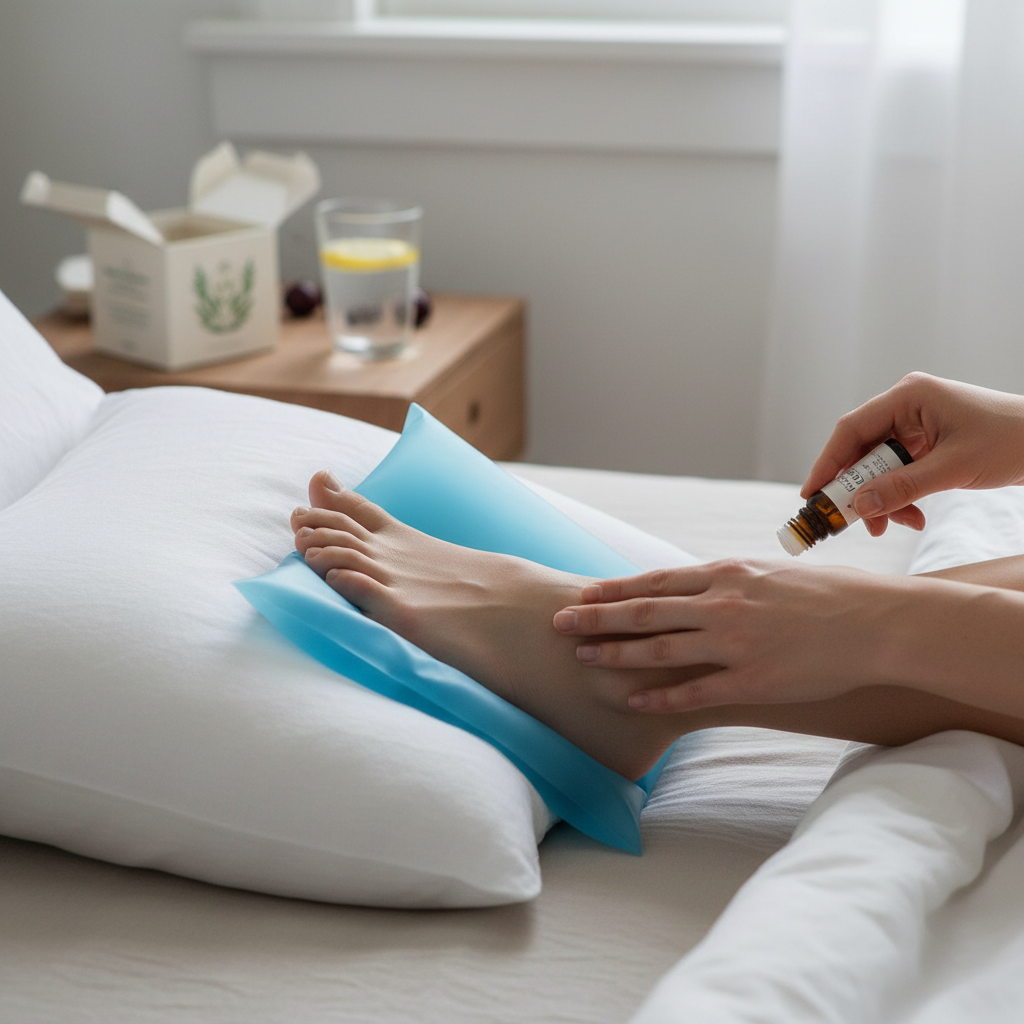
How To Relieve Gout Pain In The Foot
Immediate Steps to Alleviate Gout Foot Pain
When a gout attack strikes, the pain can be sudden and excruciating, often waking people up in the middle of the night. The foot, particularly the big toe, is the most common site for this intense inflammatory arthritis. Taking swift action can significantly reduce the severity and duration of the pain. Here are several immediate steps you can take to find relief.
1. Elevate and Rest the Affected Foot
One of the simplest yet most effective ways to manage a gout flare-up is to get off your feet. Rest is crucial because any pressure or movement can amplify the pain. Find a comfortable place to sit or lie down and prop your foot up on a pillow or a stack of blankets. The goal is to elevate your foot to a level higher than your heart.
Elevating the foot helps to reduce blood flow to the area, which in turn can decrease swelling and inflammation. This process, governed by gravity, encourages fluid to drain away from the inflamed joint, easing the pressure that contributes to the intense pain. Avoid putting any weight on the foot and even consider keeping bedsheets and blankets off the affected area, as even their light weight can feel unbearable during a severe attack.
2. Apply a Cold Compress
Applying cold to the affected joint is a highly effective method for numbing the area and reducing inflammation. A cold compress, an ice pack wrapped in a thin towel, or even a bag of frozen vegetables can provide significant relief. The cold constricts blood vessels, which helps to slow down the inflammatory response and reduce swelling.
It's important to apply the cold pack for about 15-20 minutes at a time, several times throughout the day. Never apply ice directly to the skin, as this can cause frostbite or skin damage. Always use a barrier, like a towel or cloth. This method is particularly useful during the first 24 to 48 hours of a gout attack when inflammation is at its peak.
3. Stay Hydrated with Water
Increasing your water intake is a critical step in managing a gout attack and preventing future ones. Dehydration can increase the concentration of uric acid in your blood, making it more likely for crystals to form in your joints. Drinking plenty of water helps your kidneys function more efficiently to flush excess uric acid out of your system.
Aim to drink at least 8 to 12 glasses of water a day, and even more during an active flare-up. While water is best, other non-sugary, non-alcoholic beverages can also contribute to your hydration. Staying well-hydrated not only helps during an attack but is also a cornerstone of long-term gout management by helping to keep uric acid levels stable.
4. Consider Over-the-Counter Anti-Inflammatory Medications
Nonsteroidal anti-inflammatory drugs (NSAIDs) are often the first line of defense for treating the pain and inflammation of a gout attack. Medications like ibuprofen and naproxen sodium are widely available over the counter and can provide fast-acting relief. These drugs work by blocking the enzymes that produce prostaglandins, which are chemicals that promote inflammation, pain, and fever.
It is crucial to take these medications as directed and to consult with a doctor or pharmacist, especially if you have other health conditions like kidney disease, stomach ulcers, or heart problems, or if you are taking other medications. For severe attacks, a doctor might prescribe a stronger, prescription-strength NSAID or other medications like colchicine or corticosteroids.
5. Use Canes or Crutches for Support
During a severe gout attack in the foot, walking can be nearly impossible. Using a walking aid like a cane or crutches can make a world of difference. These devices help you take the weight off the affected foot, reducing pressure on the inflamed joint and allowing it to rest and heal. This not only minimizes pain but also prevents you from altering your gait in a way that could cause secondary pain in your knees, hips, or back.
Choosing the right aid and using it correctly is important. A cane should be held on the opposite side of the affected foot to provide the best support. If the pain is too severe for even light pressure, crutches may be a better option to keep the foot off the ground entirely. This small adjustment can significantly improve your mobility and comfort during a flare-up.
Lifestyle and Dietary Adjustments for Gout Management
While immediate remedies are crucial for acute pain, long-term management of gout involves making sustainable lifestyle and dietary changes. These adjustments aim to lower the overall level of uric acid in your body, reducing the frequency and severity of future attacks.
1. Limit Purine-Rich Foods
Purines are natural chemical compounds found in many foods. When your body breaks them down, uric acid is produced as a byproduct. For people with gout, consuming high-purine foods can trigger an attack. Key foods to limit or avoid include red meats (like beef and lamb), organ meats (such as liver and kidney), and certain types of seafood (like anchovies, sardines, mussels, and scallops).
2. Reduce Alcohol and Sugary Drink Consumption
Alcohol, particularly beer, is notoriously known for triggering gout attacks. Beer is high in purines and also slows down the kidneys' ability to excrete uric acid. Similarly, sugary drinks, especially those sweetened with high-fructose corn syrup, have been linked to an increased risk of gout. Fructose metabolism can increase uric acid production. Limiting these beverages is a powerful step toward managing your condition.
3. Eat Cherries or Drink Tart Cherry Juice
Several studies suggest that cherries may help lower uric acid levels and reduce the inflammation associated with gout. Cherries are rich in anthocyanins, which are antioxidants with powerful anti-inflammatory properties. Both sweet and tart cherries seem to be beneficial. Incorporating a serving of fresh cherries or a glass of unsweetened tart cherry juice into your daily routine could help prevent future flare-ups.
Understanding Gout: Why Does It Target the Foot?
Gout is a form of inflammatory arthritis characterized by hyperuricemia, a condition where there is too much uric acid in the blood. When levels become too high, the uric acid can crystallize, and these needle-like crystals can accumulate in a joint, triggering a sudden and severe inflammatory response. This response is what causes the hallmark symptoms of a gout attack: intense pain, swelling, redness, and heat in the affected area.
The reason gout so commonly affects the foot, and specifically the joint at the base of the big toe, is due to a combination of factors. Uric acid crystals are more likely to form in cooler temperatures. Since the extremities, like the toes, are the coolest parts of the body, they provide an ideal environment for crystallization. Furthermore, the big toe joint is subjected to significant pressure and micro-trauma from daily activities like walking, which can also encourage crystal deposition and trigger an inflammatory reaction.
Common Questions About Gout Management
Understanding the nuances of gout can empower you to manage it more effectively. Here are answers to some frequently asked questions about gout attacks and their triggers.
What are the first signs of a gout attack in the foot?
A gout attack often comes on suddenly, frequently at night. The initial signs are typically unmistakable and severe. The most common first symptom is an intense, throbbing, or crushing pain in a single joint, most often the big toe. The affected joint quickly becomes extremely sensitive to the touch, to the point where even the weight of a bedsheet can be intolerable.
Alongside the pain, you will likely notice significant swelling, and the skin over the joint may appear red, shiny, and feel warm or hot to the touch. The rapid onset and intensity of these symptoms are key indicators that you are experiencing a gout flare-up rather than another type of joint pain that might develop more gradually.
Can stress trigger a gout attack?
Yes, both physical and emotional stress can be significant triggers for a gout attack. When the body is under stress, it releases hormones like cortisol. While cortisol has anti-inflammatory effects in the short term, chronic stress and the subsequent hormonal fluctuations can disrupt the body's normal processes, including how it manages and excretes uric acid. This can lead to a spike in uric acid levels, potentially triggering a flare-up.
Physical stressors, such as an injury, illness, or surgery, can also provoke an attack. These events cause a systemic inflammatory response in the body, which can disturb the delicate balance of uric acid in the joints and lead to crystal formation. Managing stress through techniques like mindfulness, exercise, and adequate sleep can therefore be an important part of a comprehensive gout prevention strategy.
How long does a gout attack in the foot typically last?
The duration of a gout attack can vary widely depending on the individual and whether they receive treatment. If left untreated, a mild attack might resolve on its own within a few days to a week. However, more severe attacks can last for several weeks, with the pain gradually subsiding over that period. The peak intensity of the pain usually occurs within the first 12 to 24 hours.
With prompt treatment, the duration of an attack can be significantly shortened. Starting anti-inflammatory medication at the first sign of a flare-up can often bring substantial relief within 24 hours and may resolve the attack completely within a few days. Consistent, long-term management with lifestyle changes and potentially uric acid-lowering medications prescribed by a doctor is the most effective way to reduce the frequency, duration, and severity of future attacks.
Final Thoughts on Managing Gout Pain
Relieving gout pain in the foot involves a two-pronged approach: immediate care during an acute attack and long-term strategies to prevent future episodes. By resting and elevating the foot, applying cold compresses, staying hydrated, and using appropriate medications, you can effectively manage the intense pain of a flare-up. Over time, thoughtful dietary adjustments, such as limiting purine-rich foods and alcohol, can lower your baseline uric acid levels and reduce the risk of recurrence. Understanding the triggers and taking proactive steps are key to living comfortably with gout.
For more in-depth information about gout and arthritis management, you can visit these reputable sources: