Effortless Meal Prep: Delicious Ideas for Stress-Free Work Lunches
Tired of the daily scramble for a work lunch that's both healthy and affordable? We’ve gathered our favorite, genuinely simple meal prep ideas to solve that exact problem.
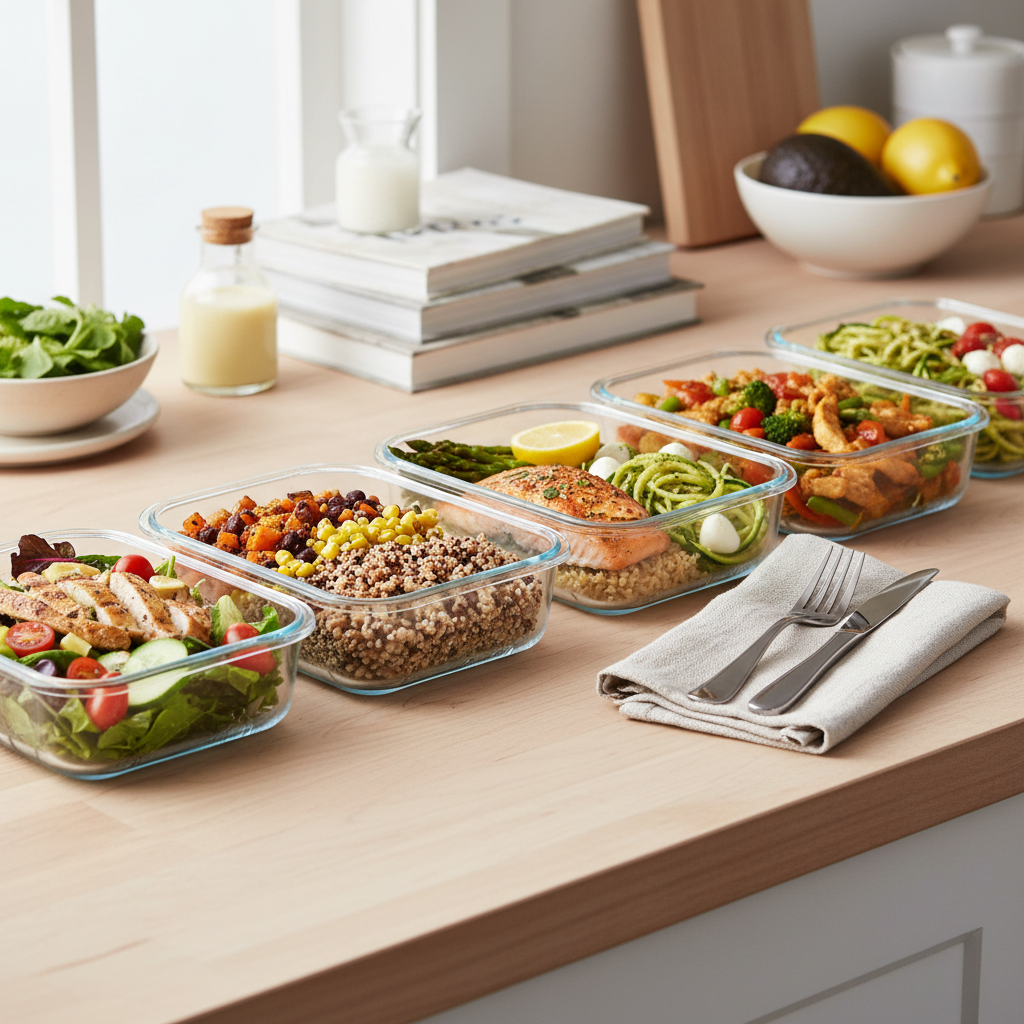
7 Simple & Delicious Meal Prep Ideas For Your Work Lunch
Figuring out what to eat for lunch every workday can be a chore. The temptation to grab expensive and often unhealthy takeout is strong, but there’s a better way. Meal prepping is the practice of preparing whole meals or dishes ahead of schedule, and it's a fantastic solution for busy professionals. By dedicating a couple of hours over the weekend, you can set yourself up with delicious, healthy, and affordable lunches for the entire week. These simple ideas are perfect for beginners and seasoned preppers alike, requiring minimal cooking skills and basic kitchen equipment.
1. The Classic Mason Jar Salad
Mason jar salads are a visual treat and a practical marvel of meal prep engineering. The key to their success lies in strategic layering, which keeps your greens crisp and fresh until you're ready to eat. You start by pouring the dressing into the very bottom of the jar. This is the most crucial step, as it keeps the liquid away from the other ingredients. Next, you add your hardiest ingredients, such as chickpeas, chopped carrots, cucumbers, or bell peppers. These create a barrier between the dressing and the more delicate components.
Above the hard vegetables, you can layer grains like quinoa or farro, followed by your protein source, such as grilled chicken, hard-boiled eggs, or tofu. The final layers should be the most delicate items—softer vegetables, cheese, nuts, and seeds. Lastly, pack the top of the jar with leafy greens like spinach, arugula, or romaine lettuce. When it's time for lunch, you simply shake the jar vigorously to distribute the dressing, then pour it into a bowl. It’s a perfectly mixed, non-soggy salad every time.
2. Versatile Grain Bowls
Grain bowls, sometimes called Buddha bowls or power bowls, are incredibly satisfying and easy to customize. The concept is based on a simple formula: a base of healthy grains, a protein, plenty of vegetables, and a flavorful sauce. To start, cook a large batch of a nutritious grain like quinoa, brown rice, farro, or barley. Once cooled, portion the grains into your meal prep containers as the foundation for your lunch.
Next, prepare your protein and vegetables. Roasting a sheet pan of chopped vegetables like broccoli, sweet potatoes, and onions is an efficient way to cook them all at once. For protein, consider baked tofu, shredded chicken, or canned chickpeas. Assemble your bowls by adding the veggies and protein on top of the grain base. Keep your sauce or dressing in a separate small container to add just before eating. Popular sauce choices include tahini dressing, a light vinaigrette, or even just a squeeze of lemon and a drizzle of olive oil.
3. Sheet Pan Chicken and Veggies
If you're looking for maximum efficiency and minimal cleanup, the sheet pan meal is your best friend. This method involves cooking your entire meal—protein and vegetables—on a single baking sheet in the oven. A classic combination is chicken breast or thighs chopped into bite-sized pieces, tossed with broccoli florets, sliced bell peppers, red onion, and zucchini. Season everything generously with olive oil, salt, pepper, garlic powder, and your favorite herbs like oregano or thyme before spreading it in a single layer on the pan.
Roast in the oven until the chicken is cooked through and the vegetables are tender and slightly caramelized. Let the mixture cool completely before dividing it into your meal prep containers. You can pair it with a side of pre-cooked brown rice or quinoa, or enjoy it on its own for a low-carb option. This method is endlessly adaptable; you can swap the chicken for sausage, salmon, or tofu and use any sturdy vegetables you have on hand.
4. Easy and Healthy Wraps or Pinwheels
Wraps are a fantastic alternative to traditional sandwiches and can be prepped without becoming soggy. The trick is to choose your ingredients wisely and assemble them correctly. Start with a high-fiber whole-wheat tortilla. Spread a layer of a thick, less-watery spread like hummus or cream cheese, which acts as a moisture barrier. Then, layer on your protein, such as sliced turkey, roast beef, or mashed chickpeas.
For the filling, stick to drier vegetables like shredded carrots, spinach leaves, and thinly sliced bell peppers. Avoid watery ingredients like tomatoes unless you pack them separately. Roll the wrap tightly and then either wrap it in plastic wrap or foil. For an even easier-to-eat option, you can slice the rolled wrap into one-inch "pinwheels." This is perfect for a lighter lunch or a snack-style meal. To ensure freshness, you can also pack the filling components separately and assemble the wrap just before you eat.
5. Deconstructed Burrito Bowls
Enjoy all the flavors of a burrito without the mess. Burrito bowls are incredibly easy to batch-prepare and offer a balanced mix of protein, carbs, and healthy fats. The base is typically cilantro-lime rice (or cauliflower rice for a low-carb version). Cook a large pot of rice and mix in chopped cilantro and a generous squeeze of lime juice.
Once the rice is portioned into your containers, it's time for the toppings. Add a scoop of black beans, corn salsa (canned or homemade), and your protein of choice—seasoned ground turkey, shredded chicken, or lentils work beautifully. You can then pack toppings like shredded lettuce, cheese, and salsa in separate compartments or small containers to add later. If you plan to include avocado or guacamole, it's best to add it fresh each day to prevent browning.
6. Hearty and Refreshing Pasta Salads
Pasta salad is a meal prep staple for a reason: it’s delicious served cold and the flavors often get better after a day or two in the fridge. Start by cooking a box of your favorite short pasta, such as rotini, penne, or fusilli; whole-wheat or chickpea pasta can add extra fiber and protein. While the pasta cooks, chop up your mix-ins. Cherry tomatoes, cucumbers, black olives, and diced red onion are classic choices.
For a boost of protein and flavor, add cubed feta cheese, mozzarella pearls, or chickpeas. Once the pasta is cooked and cooled, toss everything together with a simple vinaigrette made from olive oil, red wine vinegar, and Italian herbs. Unlike creamy dressings, vinaigrettes hold up well and won't make the pasta soggy. This type of lunch is filling, requires no reheating, and can be easily adapted based on seasonal produce.
7. Comforting Soup in a Thermos
On a chilly day, nothing beats a warm and comforting lunch. Making a big pot of soup over the weekend is one of the easiest ways to meal prep. Hearty options like lentil soup, minestrone, black bean soup, or chicken noodle soup are perfect because they are packed with nutrients and tend to taste even better the next day. A single large batch can provide four to five servings for the week.
In the morning, simply heat a serving of the soup on the stovetop or in the microwave until it's piping hot. Then, pour it into a quality insulated thermos. A good thermos will keep your soup warm for hours, right up until your lunch break. This method eliminates the need to wait for a microwave at work and provides a deeply satisfying and wholesome meal. You can pack a slice of whole-grain bread or some crackers on the side for dipping.
Why Meal Prep is a Game-Changer for Your Work Week
Meal prepping is more than just a trend; it's a lifestyle adjustment that offers significant benefits that can transform your weekly routine. The most immediate advantage is the amount of time you save. Instead of spending 15-20 minutes each day deciding on and preparing lunch, you can simply grab a pre-made meal from the fridge. This frees up your lunch break for other activities, like taking a walk, running an errand, or simply relaxing. It also streamlines your evenings, as you won't have to worry about packing a lunch for the next day.
Another major benefit is the financial savings. Regularly buying lunch, even from seemingly inexpensive cafes or fast-food restaurants, adds up quickly. A daily $10 lunch can cost over $2,500 a year. By purchasing groceries and cooking in bulk, you significantly reduce that cost. Perhaps most importantly, meal prepping gives you complete control over your nutrition. You decide exactly what goes into your food—the ingredients, the portion sizes, and the cooking methods. This makes it far easier to stick to health goals, whether you're trying to eat more vegetables, reduce your sodium intake, or manage your calorie consumption, leading to better energy levels and overall well-being throughout your workday.
Common Questions About Meal Prepping for Lunch
How Do You Keep Meal Prepped Lunches Fresh All Week?
The key to keeping your food fresh and appealing is proper storage and smart preparation. First, always let your cooked food cool down to room temperature before sealing it in a container and putting it in the refrigerator. Storing hot food can create condensation, which promotes bacterial growth and can lead to sogginess. Using high-quality, airtight containers is non-negotiable, as they prevent air from spoiling your food and stop odors from spreading in your fridge.
Ingredient separation is another crucial strategy. For salads and bowls, always keep dressings, sauces, and crunchy toppings like nuts or croutons in a separate, smaller container until you're ready to eat. For meals with different components, like a grain bowl, you can layer strategically or use bento-style containers with dividers. It's also helpful to know which foods hold up best. Hearty vegetables like carrots, broccoli, and sweet potatoes last longer than delicate ones like cucumbers or tomatoes. Most prepped meals will stay fresh and safe to eat for about 3-4 days in the refrigerator.
What Are the Best Containers for Meal Prepping?
The right containers can make or break your meal prep experience. Glass containers are a popular choice for many reasons. They are durable, non-porous (so they won't absorb stains or odors), and safe for use in the microwave, oven, and dishwasher. Their main drawback is that they are heavier and more fragile than plastic. If you opt for plastic, ensure it is high-quality, BPA-free, and labeled as microwave-safe. Plastic containers are lightweight, affordable, and often designed to be stackable, which is great for saving space.
Compartmentalized containers, often called bento boxes, are another excellent option. These feature built-in dividers that keep different food items from touching. This is perfect for meals like a burrito bowl or a snack plate with various components. For specific types of meals, specialized containers are best. Mason jars are ideal for layered salads, while an insulated thermos is essential for keeping soups and stews hot for hours. Investing in a variety of container types ensures you have the right tool for every lunch idea.
Conclusion
Embarking on a meal prep journey for your work lunches doesn't need to be an overwhelming or complicated task. By starting with simple, adaptable ideas like mason jar salads, grain bowls, or sheet pan meals, you can build a sustainable routine that fits your lifestyle. The initial investment of time on a Sunday afternoon pays off throughout the week in the form of saved time, money, and reduced stress. Ultimately, having a delicious and healthy meal ready to go makes it easier to fuel your body and mind, helping you stay productive and energized throughout your workday.
For further reading and recipe ideas, you can explore these resources: