Embrace the Future: Kitchen Design Trends to Watch for in 2026
Looking to revamp your culinary space? Dive into 'Transforming Kitchen: 2026 Design Trends' and explore innovative ideas that could inspire your next makeover. Discover how subtle touches and bold changes can transform even the most traditional kitchens into modern masterpieces.
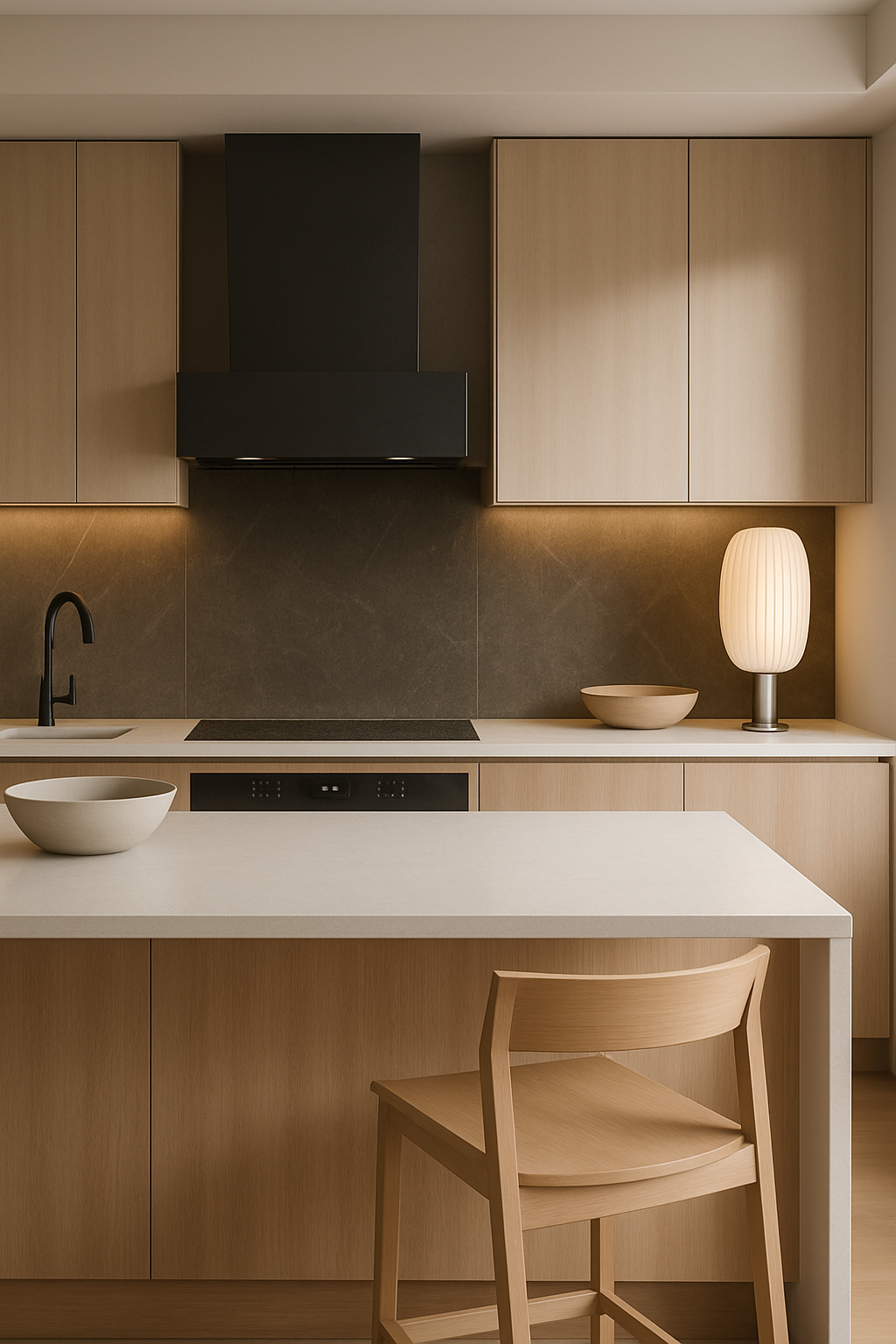
The Future of Kitchen Design: Exploring 2026 Trends
As we venture deeper into 2026, the world of interior design is undergoing significant transformations, particularly in the heart of the home—the kitchen. With evolving technology, sustainability focused decisions, and an emphasis on functionality, the kitchen is not just about cooking; it's about creating experiences, enhancing convenience, and embracing innovation. In this article, we delve into the latest kitchen design trends that are set to make waves this year and beyond.
Why Are Kitchens Evolving?
Before diving into the trends, it's essential to understand the driving forces behind the evolution of kitchen design in 2026. The modern kitchen reflects changes in lifestyle, technological advancements, and increased environmental awareness. People are spending more time at home due to remote working trends, leading to a need for multifunctional spaces. Technology has introduced smarter appliances and integrated systems, while sustainability concerns push consumers towards eco-friendly materials and energy-efficient designs.
Smart Kitchens: A Seamless Integration of Technology
One of the most exciting trends for 2026 is the smart kitchen. As technology becomes more entwined with daily life, kitchens are now equipped with advanced tech that simplifies cooking and enhances efficiency.
- Smart Appliances: From refrigerators that manage groceries to ovens you can control via smartphone, smart appliances are revolutionizing kitchen tasks. For instance, smart coffee makers can now brew your coffee based on your morning schedule.
- Voice Assistance: Integration with voice assistants like Alexa or Google Assistant allows for hands-free control of kitchen functions, from setting timers to adjusting lighting and temperature.
- IOT Connectivity: Devices now communicate with each other seamlessly, offering reminders, recipe guides, and efficiency tips, thus enhancing the cooking process.
Sustainability and Eco-Friendly Practices
Modern consumers are increasingly eco-conscious, pushing designers to integrate sustainable practices into their kitchens. This trend reflects wider societal shifts towards responsible consumerism.
- Reclaimed Materials: There is a rising popularity in using reclaimed wood, recycled stones, and composite materials that reduce environmental impact while maintaining aesthetic appeal.
- Energy-efficient Appliances: Energy Star-rated appliances not only save on utility bills but also reduce carbon footprints. From induction cooktops to low-flow faucets, efficiency is key.
- Water Conservation: The emphasis on reducing water usage is evident in the installation of water-saving dishwashers and fixtures, crucial in areas experiencing water shortages.
Design Aesthetics: Balancing Functionality with Style
Kitchens today blend aesthetics with practicality, creating spaces that are both beautiful and user-friendly.
- Minimalist Design: Clean lines, neutral color palettes, and clutter-free counters embody the minimalist aesthetic, making kitchens appear more spacious and serene.
- Open Shelving: An ode to industrial designs, open shelving offers easy access to kitchen essentials while allowing homeowners to showcase statement pieces or personal collections.
- Color Trends: Earthy tones like sage green and terracotta, along with classic black and white combinations, dominate the color scheme, offering versatility in design.
Multipurpose and Flexible Spaces
The narrative for kitchens in 2026 is shifted to accommodate diverse family needs. With many people working from home and family dynamics evolving, the kitchen's role has expanded.
- Kitchen Islands: Gone are the days when kitchen islands were purely for prep work. They're now designed with built-in seating, charging stations, and storage, making them the hub of household activity.
- Convertible Furniture: Flexible furniture solutions that transform based on needs, such as extendable tables or nested stools, cater to varying activities and gatherings.
Bringing the Outdoors In
Finally, another 2026 design trend is the incorporation of natural elements that bridge the gap between indoor and outdoor spaces.
- Biophilic Design: Including plants and natural light within the kitchen environment helps create a calming, inviting atmosphere and benefits mental well-being.
- Outdoor Cooking Spaces: With an increasing focus on alfresco dining, dedicated outdoor kitchens are gaining popularity, equipped with everything from grilling stations to pizza ovens.
Conclusion: Embracing a Dynamic Future
The trends for 2026 celebrate the kitchen as a dynamic space where technology, sustainability, and design intertwine harmoniously. As these trends suggest, the future of kitchen design is geared towards creating highly functional yet personalized spaces that cater to modern lifestyles. Whether through technological innovations or an emphasis on eco-friendly materials, the transformations within kitchen spaces reflect broader shifts towards smarter, more sustainable living environments.
For further reading and in-depth studies, consider exploring resources from the National Kitchen and Bath Association and Houzz Kitchen Trends, both offering insights into evolving trends and designs in kitchen spaces.