Embracing Timeless Beauty: A Senior's Guide to Korean Skincare for Aging Skin
You’ve likely heard the hype around Korean skincare, and you're right to be curious—it offers powerful benefits, especially for mature skin. Forget the complicated 10-step routines; this guide is tailored specifically for seniors.
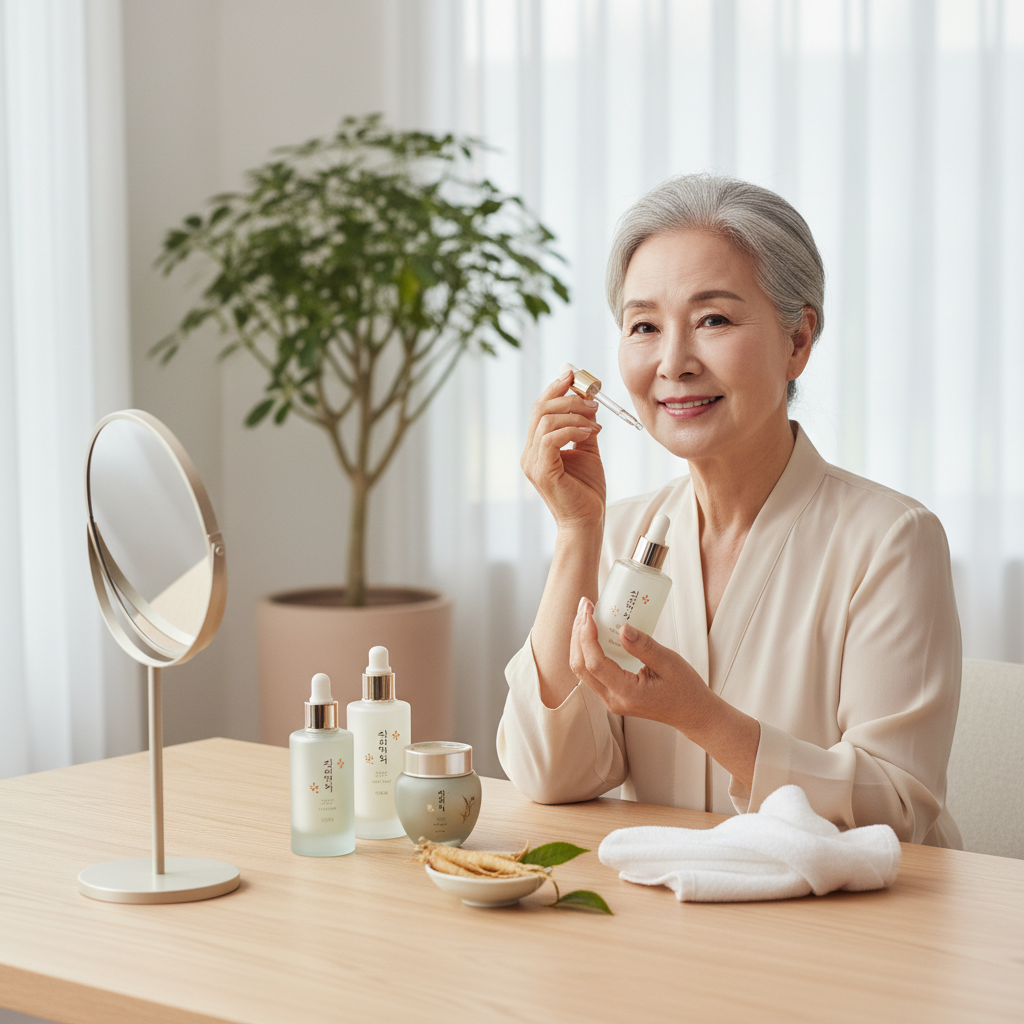
The Core Steps of a Korean Skincare Routine for Mature Skin
The famous "10-step Korean skincare routine" can sound intimidating, but it's more of a philosophy than a rigid set of rules. For seniors with aging skin, the focus isn't on completing every single step but on embracing the core principles: gentle cleansing, deep hydration, targeted nourishment, and consistent protection. Here are the most impactful steps to consider incorporating into a routine for mature skin.
1. The Double Cleanse (Oil-Based & Water-Based Cleansers)
As skin ages, it produces less oil and its protective barrier can weaken, making harsh, stripping cleansers a significant problem. The double cleanse method addresses this by using two gentle products to achieve a thorough clean. The first step involves an oil-based cleanser (like a cleansing oil or balm). This type of cleanser is incredibly effective at melting away oil-based impurities such as makeup, sunscreen, and excess sebum without disturbing the skin’s natural moisture balance. You massage it onto dry skin, add a little water to emulsify it into a milky texture, and then rinse.
The second step follows with a water-based cleanser, typically a low-pH foam or gel wash. This cleanser's job is to remove any remaining residue from the oil cleanser along with water-based impurities like sweat and dirt. By using two mild cleansers, you avoid the need for one strong, potentially drying formula. This approach leaves the skin feeling clean, soft, and prepared for the next steps, rather than tight and stripped, which can exacerbate the appearance of fine lines.
2. Gentle Exfoliation (Used Sparingly)
Natural cell turnover slows down significantly with age, which can lead to a buildup of dead skin cells. This accumulation can make the skin appear dull, rough, and uneven, and can also prevent your skincare products from penetrating effectively. Gentle exfoliation is key to sloughing away this top layer to reveal brighter, smoother skin underneath and to encourage cell renewal.
For mature and often more sensitive skin, it’s best to steer clear of harsh physical scrubs with large, jagged particles. Instead, opt for gentle chemical exfoliants. Ingredients like Lactic Acid (an AHA) or Polyhydroxy Acids (PHAs) are excellent choices as they are milder and often have hydrating properties. Exfoliation should not be a daily activity; for most seniors, using a gentle exfoliant just one to two times per week is sufficient to gain the benefits without risking irritation or over-stripping the skin.
3. Toner (For Hydration, Not Astringency)
If your memory of toner is a harsh, alcohol-laden astringent from your youth, it's time to get reacquainted. Korean toners are completely different. Their primary purpose is not to strip the skin but to provide an immediate, lightweight layer of hydration after cleansing and to balance the skin’s pH level. Think of it as prepping a dry sponge; a damp sponge absorbs subsequent products much more effectively than a bone-dry one. The same principle applies to your skin.
These toners are often watery in consistency and packed with hydrating and soothing ingredients. Look for formulas containing hyaluronic acid, glycerin, beta-glucan, or Centella Asiatica. They are applied with the fingertips and gently patted into the skin, instantly plumping it with moisture and creating the perfect canvas for the serums and essences that follow. This step is fundamental in the K-beauty practice of layering hydration.
4. Essence (The Heart of the Routine)
An essence is often considered the heart of the Korean skincare routine and is a product category that doesn’t have a direct equivalent in traditional Western skincare. It’s a lightweight, watery liquid packed with a high concentration of active ingredients designed to hydrate, repair, and aid in cell turnover. An essence is less concentrated than a serum but more potent than a toner, serving as a crucial link between the two steps.
For aging skin, essences with ingredients like fermented yeast extracts (such as Galactomyces) or snail mucin are particularly beneficial. These ingredients are renowned for their ability to improve skin elasticity, reduce the appearance of fine lines, and promote a brighter, more even complexion. Applying an essence after your toner floods the skin with nutrients and hydration, supporting overall skin health and resilience.
5. Serums and Ampoules (Targeted Treatments)
This is the step where you can truly customize your routine to address your specific skin concerns head-on. Serums and ampoules are highly concentrated formulations with a smaller molecular structure, allowing them to penetrate deeper into the skin and deliver a potent dose of active ingredients. For aging skin, the primary concerns are often wrinkles, loss of firmness, dark spots, and dehydration.
When selecting a serum, look for powerful, research-backed ingredients. Peptides are fantastic for signaling the skin to produce more collagen, which helps with firmness and reduces the appearance of wrinkles. Vitamin C is a powerful antioxidant that brightens the skin and helps fade hyperpigmentation. Niacinamide is a versatile ingredient that can help with skin tone, fine lines, and strengthening the skin barrier. You can layer different serums or alternate them between your morning and evening routines.
6. Moisturizer (Locking It All In)
After layering on all those beneficial hydrating and treatment products, the moisturizer is the crucial final step to seal everything in. A good moisturizer forms an occlusive or semi-occlusive barrier on the skin's surface, which prevents the evaporation of water (a process known as transepidermal water loss) and locks in the active ingredients from your previous steps.
As skin matures, its lipid barrier weakens, making it more prone to dryness and irritation. Therefore, a richer, more nourishing moisturizer is often beneficial. Look for creams containing ingredients like ceramides, which are lipids that naturally occur in the skin and are essential for a healthy barrier. Shea butter, squalane, and fatty acids are also excellent ingredients that provide deep moisturization and help keep the skin soft, plump, and comfortable.
7. Sunscreen (The Ultimate Anti-Aging Product)
No skincare routine, no matter how elaborate or expensive, can be truly effective without the daily, consistent use of sunscreen. Sun protection is the single most important anti-aging step you can take. Up to 80% of the visible signs of aging—like wrinkles, sagging, and dark spots—are caused by cumulative, unprotected sun exposure over a lifetime. It is never too late to start protecting your skin.
Korean sunscreens are globally beloved for a reason. They often feature advanced chemical filters that provide high-level, broad-spectrum protection (look for SPF 50+ and PA++++) in incredibly elegant, lightweight formulas. They are typically non-greasy, absorb quickly, and leave no white cast, making them a pleasure to apply every single day. This daily commitment will protect your skin from further damage and allow your other skincare products to work on repairing past concerns.