Enhance Your Fertility: 7 Scientifically Backed Foods to Boost Sperm Quality
Discover the link between certain foods and sperm quality. While no single food guarantees results, incorporating specific nutrients into your diet may support male reproductive health.
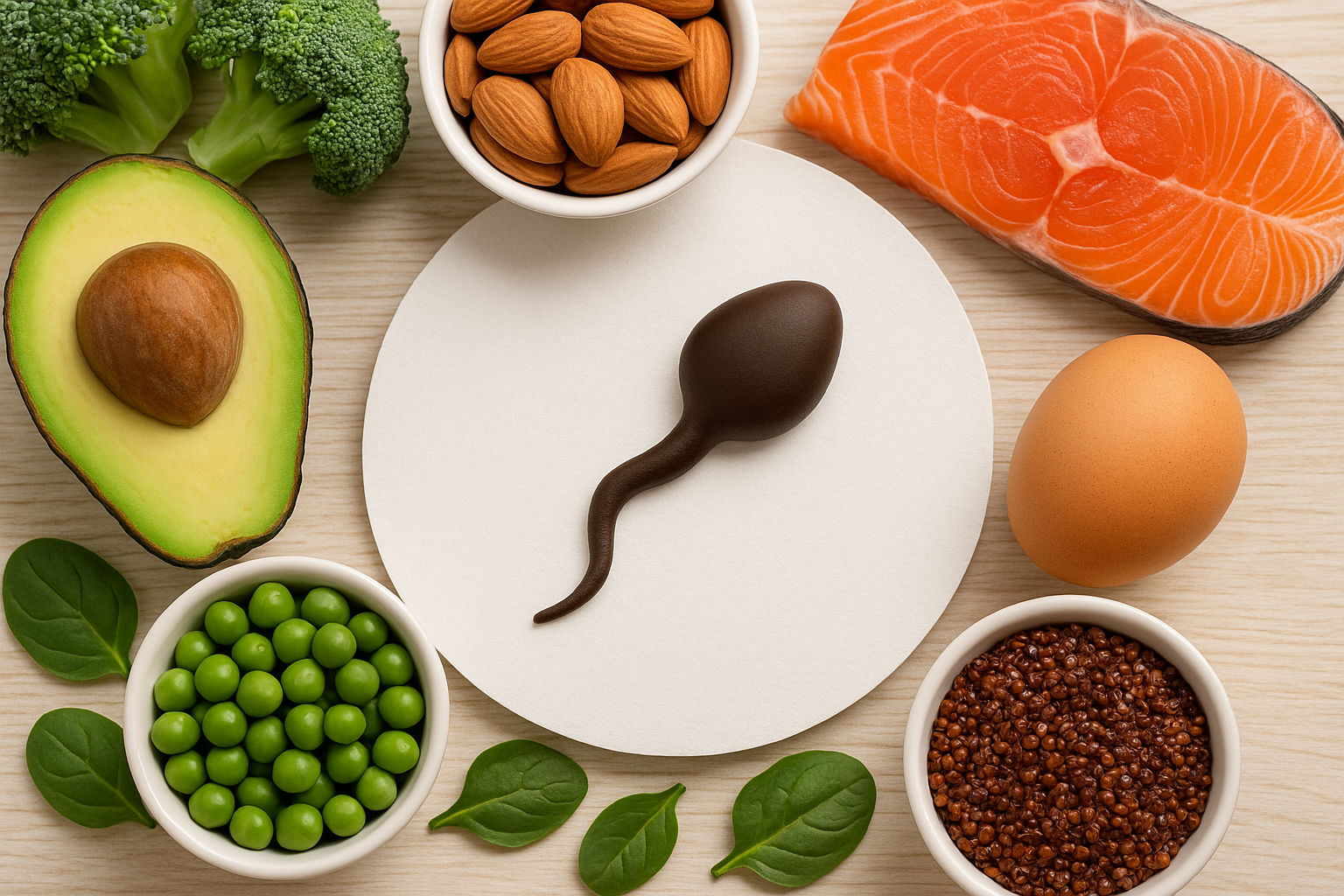
Understanding Sperm Quality
Sperm quality is a critical aspect of male fertility, impacting the likelihood of conception and the health of potential offspring. There are several key factors to consider when evaluating sperm quality, including sperm count, motility, morphology, and genetic integrity. Improving sperm quality can greatly enhance fertility prospects, making it a pertinent concern for men looking to start or expand their families.
Why Sperm Quality Matters
High sperm quality increases the chances of successful fertilization and reduces the risk of miscarriage. Poor sperm quality, on the other hand, can be associated with infertility and a variety of genetic conditions. Therefore, understanding how to enhance sperm health can be beneficial not just for conception, but for ensuring the overall health and wellbeing of any future children.
7 Foods That Improve Sperm Quality
Nutrition plays a crucial role in improving sperm quality. Below are seven foods scientifically proven to support sperm health:
Garlic
Garlic contains selenium and vitamin B6, both crucial elements for sperm production. Additionally, garlic's antioxidant properties aid in protecting genetic material against oxidative stress.
Tomatoes
Tomatoes are high in lycopene, an antioxidant that has been associated with improved sperm morphology and motility. Clinical trials in 2026 suggest a correlation between regular tomato consumption and enhanced sperm parameters (MDPI).
Oysters
Renowned for being a rich source of zinc, oysters enhance sperm production and testosterone levels. Zinc deficiency has been linked to reduced sperm quality, making the inclusion of zinc-rich foods essential.
Goji Berries
Known for their potent antioxidant properties, goji berries help reduce oxidative stress, which can damage sperm. Incorporating this superfood into your diet can bolster sperm health by protecting them from free radicals.
Spinach
Leafy greens like spinach provide an excellent source of folate, which is crucial for healthy sperm. Folate helps prevent chromosomal abnormalities in sperm, thus safeguarding genetic integrity.
Dark Chocolate
Dark chocolate contains L-arginine, an amino acid known to increase semen volume and improve sperm count and motility. Consuming dark chocolate in moderation can be beneficial for male fertility as highlighted by recent research published in 2026 (NCBI).
Walnuts
Walnuts are rich in omega-3 fatty acids, which have been shown to enhance sperm vitality, motility, and morphology. A study done in 2026 revealed that participants who incorporated walnuts into their daily diets saw a significant improvement in sperm quality (SpringerLink).
Complementary Lifestyle Changes
While diet is vital, other lifestyle improvements can complement the effects of these foods, further enhancing sperm quality:
Regular Exercise
Engaging in regular physical activity helps maintain a healthy weight and boosts testosterone levels, both of which are important for male fertility. However, excessive exercise without adequate recovery can be detrimental, so a balanced routine is key.
Avoiding Toxins
Exposure to environmental toxins such as pesticides, heavy metals, and pollutants can negatively affect sperm quality. Limiting exposure and adopting a healthier, more natural lifestyle can be beneficial.
Stress Management
Chronic stress can adversely impact sperm production by disrupting hormonal balance. Techniques such as meditation, yoga, and adequate sleep can help mitigate stress and improve overall health.
Conclusion: Prioritizing Fertility Health
Improving sperm quality is a significant step toward enhancing fertility and ensuring the health of future generations. By incorporating sperm-enhancing foods and adopting a healthy lifestyle, men can positively influence their reproductive health. For those facing persistent fertility issues, consulting with a healthcare professional is advisable to tailor a comprehensive plan that addresses their specific needs.
Ultimately, awareness and proactive management of dietary and lifestyle choices hold the key to better sperm quality and successful conception.
References
https://www.medicinenet.com/what_foods_can_increase_your_sperm_count/article.htm
https://www.conceivio.com/resources/how-to-improve-sperm-health-practical-steps
https://pmc.ncbi.nlm.nih.gov/articles/PMC5987950/