Enhancing Daily Health: The Role of 30 Day Pill Organizers in Senior Medication Management
Keeping track of multiple medications can feel overwhelming, but a 30-day pill organizer can bring crucial simplicity and safety to a senior's daily routine.
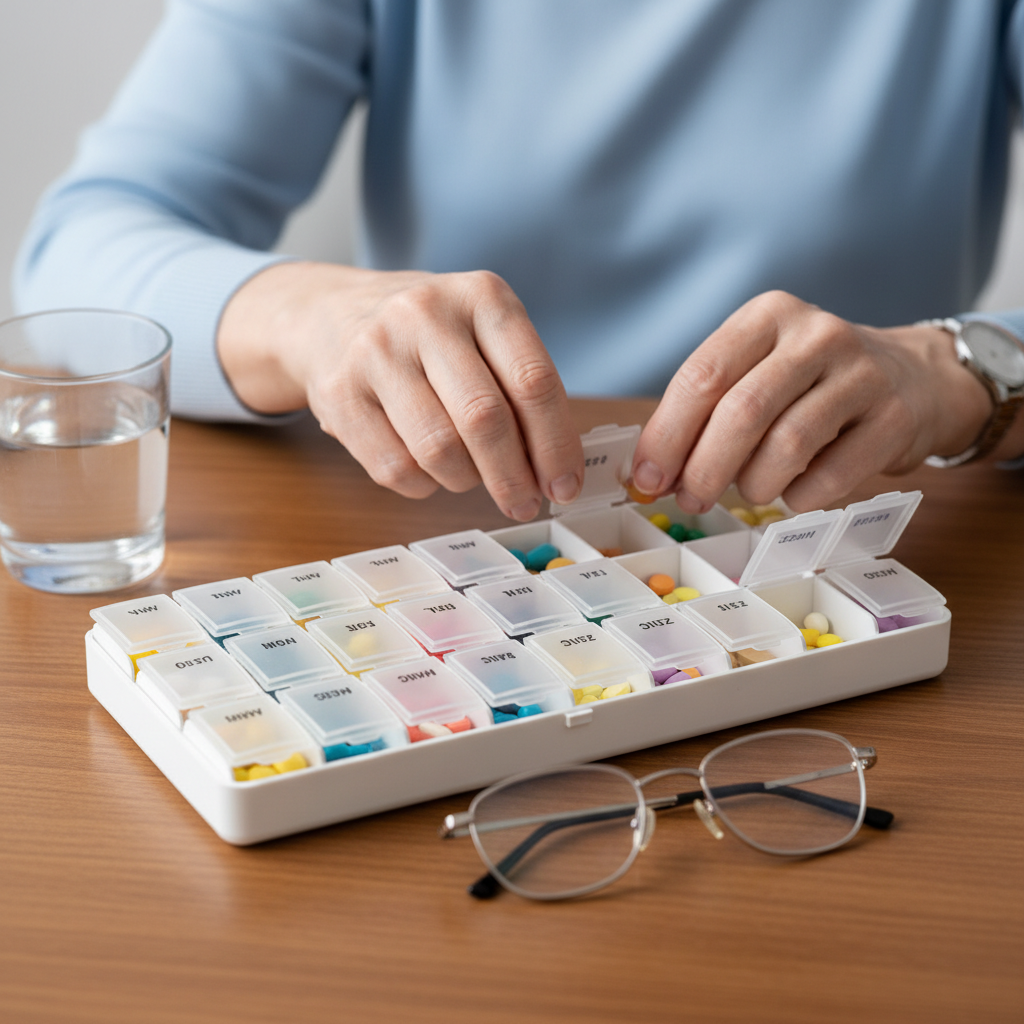
A Comprehensive Guide: How Seniors Use 30-Day Pill Organizers For Medication Routines
Key Benefits and Practical Uses of a 30-Day Pill Organizer
For many seniors, managing a daily medication regimen can be a complex and sometimes overwhelming task. Juggling multiple prescriptions with different dosages and schedules requires significant organization. A 30-day pill organizer, also known as a monthly pill dispenser, is a simple yet incredibly effective tool that brings order and safety to this daily routine. By setting aside time just once a month to sort medications, seniors and their caregivers can transform a potentially confusing daily task into a straightforward, manageable system.
These organizers typically feature 30 or 31 individual compartments, one for each day of the month. Many models go a step further, with multiple sections per day (e.g., AM/PM or Morning/Noon/Evening/Bedtime) to accommodate more complex schedules. Let's explore the primary ways seniors use these devices to enhance their health and maintain their independence.
1. Enhancing Medication Adherence and Consistency
The most significant benefit of a 30-day pill organizer is its power to improve medication adherence—the act of taking medications correctly as prescribed by a doctor. Forgetting a dose is a common issue, especially for those with memory challenges or a busy schedule. A monthly organizer provides a clear, visual reminder. A quick glance can confirm whether the day's pills have been taken, eliminating guesswork and reducing the frequency of missed doses.
By integrating the organizer into a daily routine, such as at breakfast or bedtime, taking medication becomes a consistent habit rather than a sporadic task. This regularity is crucial for managing chronic conditions like hypertension, diabetes, or heart disease, where steady medication levels in the body are essential for effective treatment. The physical act of opening a compartment and taking the pills reinforces the routine, making it less likely to be forgotten over time.
2. Reducing the Risk of Medication Errors
Medication errors, such as taking the wrong pill or double-dosing, can have serious health consequences. A 30-day pill organizer drastically minimizes these risks. When all the pills for the month are sorted in advance, the daily task is simplified to opening the correct day's compartment. This prevents the confusion that can arise from handling multiple prescription bottles at once, especially for individuals with poor eyesight or cognitive difficulties.
The danger of double-dosing is particularly high when a person can't remember if they've already taken their medication. With a pill organizer, the empty compartment for that day serves as definitive proof that the dose has been administered. This simple visual cue provides a reliable safety check, offering peace of mind to both the senior and their loved ones.
3. Promoting Independence and Empowerment
Maintaining independence is a vital aspect of a senior's quality of life. A 30-day pill organizer is a tool that empowers them to manage their own health care with confidence. Instead of relying on a caregiver for every dose, a senior can take charge of their medication schedule. The initial setup might require assistance from a family member, pharmacist, or nurse, but the daily administration becomes a simple, independent task.
This sense of control can have a profound positive impact on mental and emotional well-being. It reduces feelings of dependency and reinforces a person's ability to live self-sufficiently. For family members and caregivers, the organizer provides reassurance that their loved one is following their medication plan correctly, even when they are not physically present.
4. Simplifying Complex Medication Schedules
Many seniors are on multiple medications, a situation known as polypharmacy. This often involves pills that must be taken at different times of the day or on specific days of the week. A 30-day organizer with multiple daily compartments (AM/PM, etc.) is specifically designed to handle this complexity. It neatly separates the morning pills from the evening ones, removing any ambiguity.
By sorting everything at the beginning of the month, the daily cognitive load is significantly reduced. There's no need to read the fine print on several bottles multiple times a day. The user simply needs to check the day and time slot on the organizer. This simplification is invaluable for preventing mix-ups and ensuring that each medication is taken exactly as prescribed, maximizing its therapeutic benefit.
5. Streamlining Travel and Daily Activities
A monthly organizer also offers incredible convenience for seniors who are active and on the go. Many models feature individual, detachable daily pods or sections. This allows a person to take just that day's medications with them for an outing, a doctor's appointment, or a social event, without having to carry multiple bulky prescription bottles.
For longer trips or vacations, the benefits are even greater. Instead of packing a bag full of bottles, a senior can bring their pre-filled organizer, ensuring they have their complete medication regimen for the entire duration of their travel. This not only saves space but also guarantees that no medication is accidentally left behind, making travel less stressful and more enjoyable.
The Evolution of Medication Management at Home
The concept of organizing pills is not new, but the tools have evolved significantly to meet the needs of an aging population with increasingly complex medical needs. In the past, the most common method was simply lining up prescription bottles on a counter or in a medicine cabinet. This method was prone to error, especially as the number of prescriptions grew. A simple distraction could easily lead to a missed dose or a dangerous mix-up.
The first major innovation was the weekly pill organizer, a 7-day tray that became a staple in many households. While a significant improvement, it still required a weekly commitment to fill, which could be burdensome for some. As life expectancies increased and management of chronic diseases improved, the need for more efficient, long-term solutions became apparent. This led to the development of the 30-day organizer, which aligns perfectly with monthly prescription refill cycles.
Today, the evolution continues with the advent of "smart" pill organizers. These advanced devices often sync with smartphone apps to send reminders, track adherence, and even alert caregivers if a dose is missed. While the fundamental purpose remains the same—to ensure medication is taken correctly and on time—technology is adding new layers of safety and communication to at-home medication management.
Common Questions About Using Monthly Pill Organizers
What Should Seniors Look for When Choosing a 30-Day Pill Organizer?
Selecting the right pill organizer is crucial for its effective use. The first factor to consider is the size and capacity of the compartments. They must be large enough to hold all the required pills for a single dose, including larger vitamins or supplements. It’s wise to choose an organizer with slightly more room than currently needed to accommodate any future changes in medication.
Ease of use is paramount, especially for individuals with arthritis or limited dexterity. Look for latches that are easy to open but secure enough to prevent accidental spills. Clear, large-print labels for the days and times are also essential for those with visual impairments. Finally, consider the material. Most organizers are made of plastic; ensure it is durable and BPA-free. For those who travel, a model with detachable daily pods can offer superior portability and convenience.
How Do You Properly Fill a Month-Long Pill Dispenser?
Properly filling a 30-day organizer is a critical step that requires focus and attention to detail. The best practice is to set aside a dedicated, uninterrupted block of time. Start by gathering all prescription bottles, over-the-counter medications, and supplements. Work on a clean, flat surface in a well-lit area to minimize the chance of dropping or misplacing pills.
The key to accuracy is to fill the organizer one medication at a time. For example, place the Monday morning dose of medication "A" into all four Monday morning slots for the month, then move on to medication "B." This methodical approach is far less prone to error than trying to fill each day's complete regimen at once. After filling the entire organizer, it's highly recommended to double-check each compartment against the prescription bottles to ensure accuracy before closing it up. Once filled, store the organizer in a cool, dry place away from direct sunlight and out of reach of children and pets.
Conclusion
A 30-day pill organizer is more than just a plastic container; it is a powerful tool for health management. For seniors, it provides a structured and reliable system for adhering to complex medication schedules. By reducing the risk of common errors like missed doses or double-dosing, it enhances safety and improves treatment outcomes. Furthermore, it fosters a sense of independence and provides significant peace of mind for both users and their families, making it an invaluable asset in a senior's daily healthcare routine.
For more information on medication safety for older adults, you can visit these resources: